
Recent Post

Best Portable Pull Up Bar Guide: Top Picks and Buying Tips

Compact Home Gym Ideas: Space‑Saving Solutions for Every Apartment

Is whey isolate dairy free? A clear guide to understanding whey protein and dairy concerns

How to Choose Adjustable Dumbbells: A Practical Step‑by‑Step Guide

Lactose Free Whey Isolate Protein Powder: Complete Guide to Choosing, Using, and Benefits

20 minute dumbbell workout for beginners: Simple Full‑Body Routine
Laisser un commentaire

Compression Sleeves for Calves Running: A Complete Guide to Benefits, Selection, and Use
Ever felt that tight, burning sting in your calves right after a sprint, and wondered if there’s a simple fix?
You're not alone. Many runners hit that wall where the muscles feel like they’re about to quit, and the culprit is often lack of support.
That’s where compression sleeves for calves running step in. Think of them as a gentle hug that keeps blood flowing, reduces vibration, and lets you keep moving.
But how exactly does a sleeve make that difference? The fabric applies graduated pressure, meaning the top of the calf gets a bit more squeeze than the ankle, encouraging venous return.
Imagine you’re on a long run and your calves stay loose, less sore, and you don’t have to stop for a frantic stretch. Sounds nice, right?
We’ve all had that moment when a post‑run ache turns into a day‑long limp. With the right compression, that scenario can become a thing of the past.
And it’s not just about comfort. Studies show that compression can improve proprioception, so you’re more aware of your stride and less likely to over‑pronate.
Now, you might be thinking, “Do I really need a sleeve, or can I just stretch more?” The answer isn’t black and white—stretching helps, but compression adds an extra layer of support that many athletes swear by.
Let’s be real: buying gear is an investment, and you want it to pay off. A quality pair of sleeves should be breathable, moisture‑wicking, and stay in place without digging into skin.
Picture yourself lacing up, slipping on a sleek, snug sleeve, and feeling that subtle pressure as you hit the trail. That tiny cue can remind you to stay relaxed and maintain good form.
So, if you’re ready to ditch the post‑run cramp and keep your calves happy, consider giving compression sleeves a try. They’re lightweight, portable, and fit right into any runner’s bag.
In the next sections we’ll break down the science, show you what to look for when shopping, and even share a few favorite picks. Let’s dive in.
TL;DR
Compression sleeves for calves running give you a snug, breathable hug that boosts blood flow, reduces vibration, and keeps post‑run soreness at bay.
Try a pair on your next trail, notice the subtle pressure cue, and enjoy smoother strides, quicker recovery, and more confidence in every mile for you today.
Understanding the Benefits of Compression Sleeves for Calves Running
Ever notice that after a long run your calves feel like they’ve been through a meat grinder, and you keep wondering if there’s a simple tweak you can make?
That tiny, snug hug a compression sleeve provides isn’t just fashion‑forward; it’s a biomechanical ally that quietly reshapes how blood, lymph and muscle fibers behave while you’re on the move.
Improved Blood Flow & Oxygen Delivery
Most sleeves use a graduated‑pressure design—tighter at the ankle, looser toward the knee—so blood is nudged upward toward your heart. Exakt Health explains that this “tighter at the bottom – looser at the top” pattern helps push fresh, oxygen‑rich blood into the calf and flush out the used, oxygen‑poor blood.
More oxygen means your muscles recover faster between strides, and if you’re nursing a minor strain, the extra circulation can actually speed tissue repair. It’s like giving your calves a constant supply of fresh fuel while you’re still burning calories.
Reduced Vibration and Muscle Oscillation
Every footstrike sends a subtle shockwave up your leg. Over time those micro‑vibrations add up, leading to that tight, achy feeling you dread after a hill repeat. Compression sleeves act like a soft “splint,” damping those oscillations and letting your muscles stay steadier.
Less vibration translates to lower fatigue, especially on longer runs or when you’re training in colder weather where muscles tend to stiffen. The result? You can keep a smoother cadence without the usual mid‑run “boom‑boom” in your calves.
Warmth, Proprioception, and Reflex Boost
Because the fabric hugs your skin, it traps a thin layer of warmth. Warmed muscles dilate, inviting even more blood flow and reducing the risk of strain. At the same time, the gentle pressure sharpens proprioceptive feedback—your brain gets clearer signals about where each leg is in space.
That heightened awareness helps you fine‑tune your stride on the fly, keeping your form solid even when you’re tired. Think of it as a subtle reminder from your sleeve: “Stay relaxed, stay aligned.”
Pro tip: slip the sleeve on right after you finish warming up, before you hit the pavement. The moment you feel that light squeeze, take a quick mental note of your posture—shoulders down, core engaged. It’s a tiny cue that can prevent the “over‑striding” habit many runners develop.

Enhanced Recovery & Injury Prevention
Beyond the run, the sleeves keep lymphatic vessels gently pressed, encouraging waste products to drain away faster. Reduced swelling means less post‑run soreness and a lower chance of that lingering calf ache turning into a chronic issue.
If you’ve ever dealt with a calf strain, you’ll know how quickly the pain can snowball. Wearing a sleeve during the early rehab days can act like a low‑key compression bandage—controlling swelling without choking circulation. Just remember to choose a size that stays put; a sleeve that rides up defeats the purpose.
In practice, most runners aim for at least 20 mmHg of compression, which feels supportive without digging into the skin. You don’t need a medical‑grade device; an everyday performance sleeve does the trick for everyday miles.
Bottom line: compression sleeves for calves running give you better blood flow, dampened muscle vibration, added warmth, sharper proprioception, and faster recovery—all without a bulky brace. Try one on your next training run, notice the subtle pressure cue, and let your calves thank you after the finish line.
How to Choose the Right Compression Sleeve for Calves
Ever stood in front of a rack of calf sleeves and felt completely overwhelmed? You’re not alone—there’s a surprising amount of nuance behind that simple piece of fabric.
First thing’s first: know why you’re buying one. Are you after faster recovery, extra support on long runs, or a little extra warmth on chilly mornings? Pinpointing the core goal lets you cut through the hype and focus on the features that actually matter.
Measure, Measure, Measure
Grab a soft measuring tape and wrap it around the thickest part of your calf—usually the bulge a few centimeters below the knee. Write that number down. Most brands, including the ones we’ve tested, ask for this exact measurement to recommend a size.
Don’t guess based on shoe size; a 10‑year‑old runner and a seasoned marathoner can both wear a size 10 shoe but need completely different calf fits. If you’re between sizes, err on the side of a little room—you want the sleeve to stay put, not dig into skin or ride up.
Compression Level Matters
Compression is measured in millimeters of mercury (mmHg). For most recreational runners, 15‑20 mmHg offers a gentle hug that improves circulation without feeling restrictive. If you’re in rehab or need serious post‑run recovery, 20‑30 mmHg can be beneficial, but anything above that risks limiting blood flow.
Physical therapists we consulted say the sweet spot for everyday training is the lighter range—think of it like a supportive handshake rather than a bear hug.
Fabric & Breathability
Look for a blend of nylon and spandex with moisture‑wicking technology. A breathable fabric keeps your legs dry on a hot trail and prevents the sleeve from feeling like a second skin that you can’t breathe through.
Some sleeves even treat the yarn with silver or copper to fight odor—handy if you’re swapping them between gym sessions.
Length & Fit
The sleeve should cover the calf from just above the ankle up to the midpoint of the shin, leaving the knee free to move. If it’s too short, you lose the graduated‑compression effect; too long and it can bunch up, causing irritation.
Try it on while standing on tip‑toes. You should feel a firm pressure but still be able to flex your ankle without pain. If you notice a pinching sensation at the top or bottom, size up.
Real‑World Test Cases
Case 1: Jenna, a 34‑year‑old trail runner, struggled with calf cramps on steep ascents. She switched to a 20 mmHg sleeve with a breathable knit. Within two weeks, her cramp frequency dropped by half, and she reported feeling “more stable” on technical terrain.
Case 2: Mark, a physiotherapy patient recovering from a minor calf strain, wore a 25 mmHg sleeve during his rehab walks. The added compression helped reduce swelling, and his therapist noted quicker progress compared to previous patients who skipped the sleeve.
Step‑by‑Step Buying Checklist
1. Measure your calf circumference at its widest point.
2. Decide on your primary goal (recovery vs. performance).
3. Choose a compression range that aligns with that goal.
4. Check the fabric composition for breathability and odor control.
5. Verify the length covers the calf without restricting the ankle.
6. Read user reviews for fit quirks (many brands recommend buying a size up if you’re on the larger end of the spectrum).
When you’ve ticked all those boxes, you’ll feel confident that the sleeve you’re about to click “add to cart” on will actually do what you need it to.
Where to Shop
If you’re already browsing FitCore’s catalog, the Running Essentials collection groups together top‑rated calf sleeves alongside other gear you’ll need for a smooth run.
And don’t forget that recovery isn’t just about compression. Pair your new sleeves with a solid nutrition plan—protein intake plays a big role in repairing those micro‑tears. A quick read about a protein tracker app can help you hit those post‑run macros without guesswork.
Bottom line: the right compression sleeve is a blend of proper fit, appropriate pressure, breathable material, and a clear purpose. Follow the steps above, trust the measurements, and you’ll turn that simple piece of gear into a reliable partner on every mile.
Step-by-Step Guide: Properly Wearing Compression Sleeves for Calves
Alright, you’ve finally got the perfect pair of compression sleeves for calves running, and now you’re wondering how to actually put them on without turning it into a circus act. Trust me, once you nail the routine, slipping them on will feel as natural as lacing your shoes.
1. Prep the area
Start with clean, dry skin. A quick rinse after a shower removes any sweat or lotion that could make the fabric cling in the wrong places. If you’ve got a little moisture left, pat it gently with a towel—no rubbing, just a light tap.
Why does this matter? The sleeve needs a smooth surface to glide over; otherwise you’ll feel bunching or pinching right from the get‑go.
2. Find the right orientation
Most sleeves have a subtle seam or a logo that points toward the knee. Turn the garment inside out just enough to see the label, then flip it back so the seam faces upward. This tiny detail ensures the graduated compression works as intended—tighter at the ankle, looser near the knee.
3. Position your foot
Stand on a flat surface, then place the heel of the sleeve against the base of your foot, right where your heel meets the ground. Some people find it easier to sit on a bench, but standing lets gravity help the fabric settle naturally.
Take a breath, flex your foot slightly, and slide the sleeve up the calf. If you feel resistance, don’t yank—just roll the sleeve up a bit and try again.
4. Pull it up gradually
Using both hands, grip the top edge of the sleeve and pull it upward in a slow, steady motion. Aim for the sleeve to sit just below the midpoint of your shin—any higher and you’ll start to restrict knee movement.
Check that the material is evenly snug all around. You should feel a firm hug, not a tight band that cuts into skin.
5. Adjust for comfort
Now that the sleeve is in place, walk a few steps. Notice any pinching at the top or bottom. If you spot a crease, roll that section down a millimeter and pull the rest back up. Small tweaks make a huge difference on a long run.
Give your calf a quick squeeze—if the pressure feels consistent from ankle to knee, you’ve got it right. If there’s a noticeable dip, you might have a size that’s a touch too big.
6. Test the range of motion
Do a quick calf raise, then point your toes. The sleeve should stay put without sliding, but it also shouldn’t limit the motion. If you feel restricted, try loosening the top edge just a tad.
Pro tip: a quick stretch of the gastrocnemius (push against a wall with one leg bent) while the sleeve is on can help the fabric settle into the muscle’s natural shape.
7. Lock it in (optional)
Some runners like to use a small silicone band or a clip at the top edge to keep the sleeve from creeping during sweaty intervals. It’s not mandatory, but if you’ve ever felt a sleeve slide up mid‑run, this little hack can save you a handful of adjustments on the trail.
Quick checklist before you head out
- Skin dry and free of lotion.
- Sleeve oriented correctly (seam toward knee).
- Heel positioned at the base of foot.
- Top edge sits just below the shin midpoint.
- No pinching, bunching, or slipping.
- Full range of motion verified.
And that’s it. With these steps, you’ll spend less time wrestling with your gear and more time enjoying that steady, supported stride. Next time you lace up, remember: a well‑worn compression sleeve is like a silent coach—steady pressure, better circulation, and fewer calf aches. Go give it a try on your next run, and feel the difference yourself.
Top Materials and Technologies in Calf Compression Sleeves
When you start looking beyond “does it stay on?” you’ll see that the real magic lives in the yarn. The fibers, the weave, and the little tech tricks decide whether a sleeve feels like a gentle hug or a choking band.
Fabric foundations: nylon, spandex, and beyond
Nylon gives durability and a light‑weight feel, while spandex (or elastane) provides the stretch that lets the sleeve conform to the calf’s shape. Together they create a fabric that moves with you, not against you. Some premium models even blend in a touch of polyester for extra abrasion resistance, which is handy on rocky trail runs.
Ever tried a sleeve that feels flimsy after a few miles? That’s usually a low‑grade polyester‑only blend that loses its snap. Stick with a nylon‑spandex core if you want something that keeps its shape run after run.
Moisture‑wicking and antimicrobial tech
The modern fabrics are treated with moisture‑wicking finishes that pull sweat away from the skin, spreading it across the surface to evaporate faster. Look for “dry‑fit” or “quick‑dry” labels—those are not just marketing fluff.
Many brands also embed silver‑ion or copper‑based antimicrobial fibers. The idea is simple: keep odor‑causing bacteria at bay so you can reuse the sleeve without a funky smell after a hard interval session.
Graduated compression mechanics
The whole point of a calf sleeve is to apply more pressure at the ankle and gradually ease off toward the knee. This gradient encourages venous return, helping blood push back up toward the heart. The effect is subtle but measurable, especially on long runs where circulation can start to lag.
Designers achieve this gradient by varying stitch density: tighter stitches at the bottom, looser as you move up. Some manufacturers even use laser‑cut zones that thin the material precisely where you need less pressure.
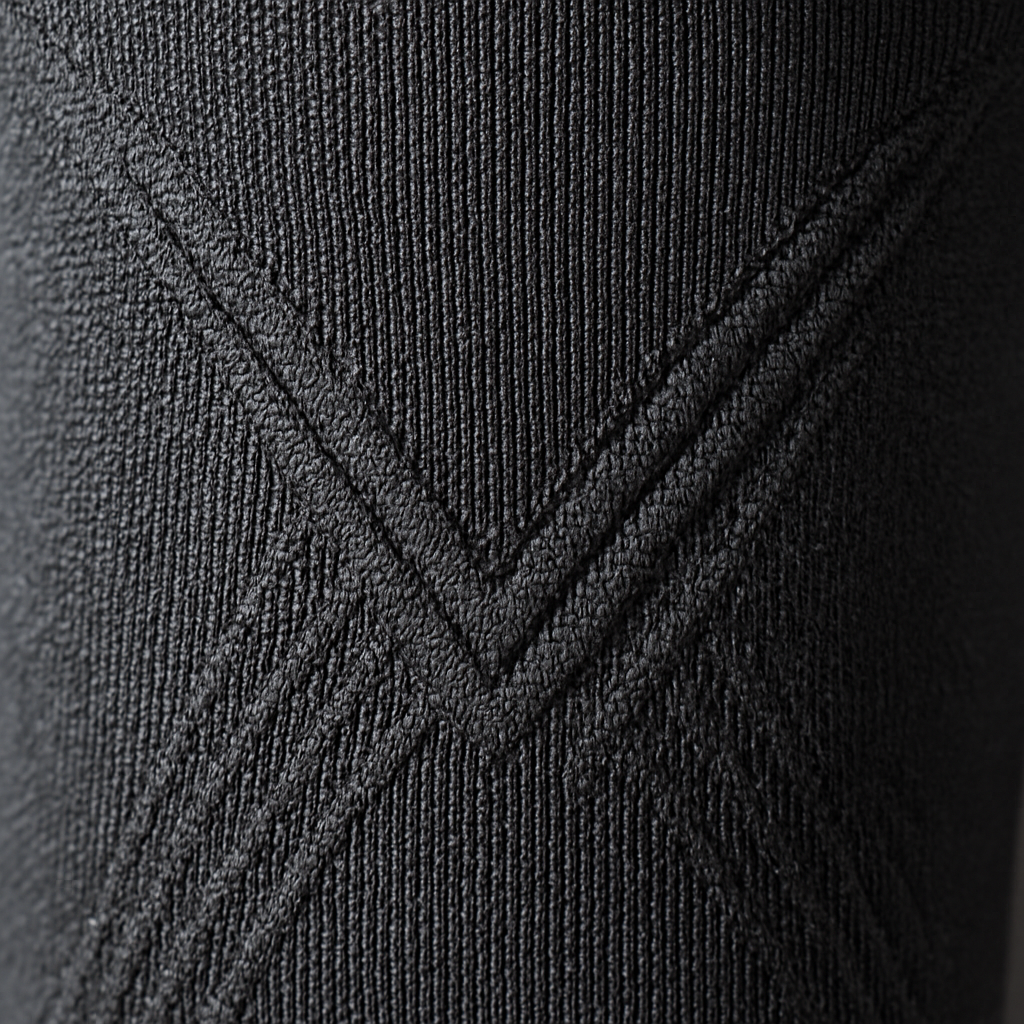
Seamless construction and V‑shaped ribbing
Nothing ruins a run faster than a seam that digs into your shin. Seamless knitting technology eliminates those irritating lines, delivering a smooth surface that slides on like a second skin.
One standout feature you’ll see on top picks, like the Zensah Leg Compression Sleeves, is a V‑shaped rib pattern across the front. That ribbing not only looks sleek but also adds targeted support for shin‑splint‑prone runners, distributing pressure where it’s needed most according to a detailed review.
Smart textiles and emerging materials
We’re seeing a wave of “smart” fabrics that embed tiny sensors to track muscle vibration or temperature. While still niche, a few boutique brands are experimenting with conductive yarn that can feed data to your phone, alerting you when your calves are getting too hot or when compression is slipping.
Even if you don’t need the high‑tech version now, it’s worth knowing these options exist. As the market matures, prices will drop, and you might end up with a sleeve that not only supports but also informs your training decisions.
So, when you’re scanning the next product page, ask yourself: does the material list mention nylon‑spandex? Is there a moisture‑wicking finish? Are the seams seamless or at least flat‑locked? And if you spot V‑ribbing, you’ve got a built‑in shin‑splint safeguard.
Choosing a sleeve based on these material cues means you’ll spend less time adjusting and more time enjoying that steady, supported stride. Give your calves the tech they deserve, and watch the difference on the trail.
Compression Sleeve Comparison Table: Features, Compression Levels, and Price
When you’ve tried a few sleeves and still can’t decide which one feels like a natural extension of your leg, the best way forward is a side‑by‑side look. Think of it like laying out your favorite coffee orders on a table – you see the size, the flavor, the price, and you pick the one that matches your mood that morning.
So, what should you actually be comparing? It’s not just about how tight the fabric feels. You want to know the compression range, the material tech, the length, and—yes—how much it will cost you today and next year when you need a replacement.
Quick‑look criteria
- Compression level (mmHg): 15‑20 mmHg for everyday runs, 20‑30 mmHg if you’re in rehab or tackling ultra‑long miles.
- Fabric blend: Nylon‑spandex gives durability and stretch; look for moisture‑wicking finishes and antimicrobial treatment.
- Length & fit: Should cover ankle to mid‑shin without restricting the knee.
- Price range: Expect $30‑$80 for quality performance sleeves.
Below is a compact table that pulls those four pillars together for three popular options that pop up in most runners’ searches.
| Model | Compression (mmHg) | Key Fabric Features | Typical Price (CAD) |
|---|---|---|---|
| CEP Calf Compression Sleeve | 20‑30 (custom‑fit) | nylon‑spandex blend, seamless knit, V‑rib front for shin‑splint support | $55‑$70 |
| Zensah Leg Compression | 15‑20 (standard sizes) | dry‑fit nylon, silver‑ion antimicrobial, flat‑locked seams | $45‑$60 |
| FitCore Performance Sleeve | 15‑20 (off‑the‑shelf) | nylon‑spandex, moisture‑wicking finish, reinforced heel pocket | $35‑$45 |
Notice how the CEP sleeve pushes the higher compression band. That’s the same range the review on Strength Running notes gave the author a noticeable “fast‑feeling” boost, especially on tempo runs. If you love that mental edge, the extra pressure might be worth the extra dollars.
How to use the table in real life
First, decide what you need most right now. Are you chasing a personal‑best time and want that extra proprioceptive cue? Then the CEP’s 20‑30 mmHg could be your secret weapon. If you’re more focused on everyday comfort and durability, the Zensah or FitCore options give solid performance without breaking the bank.
Second, match the fabric claim to your climate. Running in a humid summer? Look for the dry‑fit and antimicrobial tags – they keep sweat from turning your sleeve into a clingy second skin.
Third, factor in how often you replace gear. A $55 sleeve that lasts three seasons beats a $35 model that needs swapping every six months. Think long‑term value, not just the sticker price.
Finally, try the “fit‑check” trick before you buy: measure the widest part of your calf, add a half‑inch for a snug‑but‑not‑tight feel, and compare that number to the brand’s size chart. If you’re between sizes, go up a notch – a sleeve that rides up will ruin the graduated compression effect.
Bottom line: the table gives you the hard facts, and the short checklist below turns those facts into a decision you can act on right now.
Mini decision checklist
- What compression level matches your goal? (15‑20 mmHg for comfort, 20‑30 mmHg for performance/recovery)
- Does the fabric list include nylon‑spandex and a moisture‑wicking finish?
- Is the price within your budget for the expected lifespan?
- Do the length specs cover ankle to mid‑shin without limiting knee movement?
Take a minute, glance at the table, tick the boxes, and you’ll know exactly which compression sleeve deserves a spot in your running bag.
Maintenance and Care Tips for Longevity of Compression Sleeves
We all love that snug hug of a good compression sleeve, but if you toss it in the drawer without a care routine, the performance can fade faster than a cheap pair of socks.
Wash it right, keep it tight
First thing’s first: treat your sleeves like you would a favorite running shirt. A cold or warm machine wash (never hot) does the trick, and you’ll want to tumble dry on low heat or, even better, air‑dry. CEP Running’s care guide warns that bleach and wool‑lite cycles can wreck the compression profile.
Pro tip: slip the sleeves into a mesh garment bag. It reduces lint balls and prevents the fabric from snagging on zippers or other gear in the wash.
How often should you wash?
Every time you finish a run, give your sleeves a quick rinse in the machine. The oils from skin and sweat can break down the elastic fibers, and a buildup of body oils actually lessens the graduated pressure over time.
If you’re logging mileage every other day, plan on a wash after each session. For occasional use, a wash every 3‑4 runs is fine, but don’t let a week‑long stint go unclean.
Drying matters more than you think
Heat is the enemy of elasticity. Even a brief stint in a hot dryer can shrink the fibers, making the sleeve feel tighter in some spots and looser in others. Lay them flat on a clean towel or hang them in a well‑ventilated space. You’ll notice they keep their shape longer, and the moisture‑wicking finish stays effective.
And a quick reality check: if you ever see the fabric clinging together or a faint “shrink” line after a tumble, it’s a sign you’ve over‑dried it.
Rotate and rest
Just like you don’t wear the same pair of shoes every day, give your compression sleeves a break. The more often you wear them, the quicker they wear out. CEP notes that daily wear can shave the lifespan down to about six months, whereas wearing every other day stretches it to roughly a year.
Rotate between two pairs if you’re a high‑volume runner. That way each sleeve gets a few days off to “reset” its fibers and any lingering moisture can evaporate completely.
Spot‑check for wear and tear
Before each run, run a quick visual and tactile test. Look for thinning seams, tiny holes, or areas where the knit feels loose. Pull the fabric gently—if it gives way too easily, the compression level is probably off.
Pay special attention to the heel pocket and the top edge near the shin. Those spots endure the most friction, and a small snag can turn into a full‑blown snag that rides up mid‑run.
Odor control without chemicals
Many modern sleeves have silver‑ion or copper‑based antimicrobial treatment, but that doesn’t make them invincible. Rinse them promptly after sweaty sessions, and avoid storing them in a closed plastic bag where moisture lingers.
If a faint smell persists, a short soak in cold water with a splash of white vinegar works wonders—no harsh detergents needed.
When to say goodbye
Even with perfect care, compression sleeves have a finite life. After about a year of regular use (or six months if you run daily), the pressure curve flattens. You’ll notice the “hug” feeling less supportive, especially after long miles.
When the sleeve no longer feels snug at the ankle or starts slipping up the calf, it’s time to replace it. Trust your gut; a worn‑out sleeve can actually hinder circulation instead of helping it.
Quick care checklist
- Machine wash cold or warm, no bleach.
- Use a mesh bag, tumble dry low or air‑dry.
- Wash after every run if you wear daily; every 3‑4 runs if occasional.
- Rotate between two pairs to extend lifespan.
- Inspect seams, heel pocket, and top edge before each use.
- Store dry, avoid sealed plastic containers.
- Replace after 6‑12 months of regular wear.
FAQ
What exactly are compression sleeves for calves running and how do they work?
Think of a sleeve as a gentle, graduated hug that squeezes the lower calf a bit tighter than the upper part. That pressure nudges blood upward, helping oxygen‑rich blood reach your muscles faster while flushing out waste. The result? Less vibration, steadier strides, and a quicker recovery after you finish the run.
Because the fabric moves with you, you don’t feel restricted—just a subtle reminder to keep good form.
Do I need a specific compression level for casual runs versus long‑distance training?
For most easy‑to‑moderate runs, 15‑20 mmHg gives a supportive hug without feeling tight. When you’re tackling half‑marathons, ultra‑long miles, or rehab sessions, stepping up to 20‑30 mmHg can boost circulation a bit more. Just remember: higher pressure isn’t always better; it should still feel comfortable enough to let you ankle‑flex naturally.
If you’re unsure, start low and increase gradually, checking that the sleeve stays snug but never pins the skin.
How often should I wash my compression sleeves to keep them effective?
Treat them like a favorite running shirt: rinse after every sweaty session. The oils and sweat break down the elastic fibers, so a quick machine wash in cold or warm water keeps the compression profile intact. If you’re running daily, think of a wash after each run; for a few runs a week, a wash every 3‑4 sessions works fine.
Can I wear the sleeves during warm‑up and cool‑down, or only while running?
Absolutely, you can slip them on for both. During a warm‑up the gentle pressure helps prime circulation, so your calves feel ready for the first stride. After the run, keeping them on for a short cool‑down keeps blood flowing and reduces post‑run swelling. Just remove them if you start to feel any numbness.
A five‑minute light jog with the sleeves on can amplify that warm‑up benefit, and a gentle stretch afterward feels much easier when the fabric stays in place.
What signs tell me it’s time to replace my compression sleeves?
If the “hug” starts feeling loose at the ankle or the sleeve slides up the calf after a few strides, the compression fibers have stretched out. Look for thinning seams, tiny holes, or a loss of the moisture‑wicking feel. A lingering odor that won’t disappear with a vinegar soak is another red flag. When performance drops, it’s time for a fresh pair.
Are there any risks or side effects of using compression sleeves for calves?
When fitted correctly, they’re safe for most runners. Too tight a sleeve can restrict blood flow, leading to numbness or tingling—stop immediately if that happens. People with severe vascular conditions or uncontrolled diabetes should check with a clinician before adding any compression gear. As long as you listen to your body, the benefits outweigh the minor risks.
A quick test is to wiggle your toes; you should feel pressure but still be able to move freely.
How do I choose the right size and fit for my compression sleeves?
Grab a flexible tape measure and wrap it around the fullest part of your calf—usually a few centimeters below the knee. Compare that number to the brand’s size chart, adding a half‑inch if you’re on the edge between two sizes. The sleeve should sit snug at the ankle, stay in place when you stand on tip‑toes, and feel evenly tight all the way up without any bunching.
Conclusion
Let’s be honest: you’ve probably spent a few minutes wondering whether a pair of compression sleeves for calves running is worth the hype. By now you’ve seen how the gentle hug can boost circulation, shave off a few seconds of wobble, and speed up recovery after those long miles.
Remember, the magic isn’t in a fancy logo – it’s in a snug, graduated pressure that stays consistent from ankle to shin. If the sleeve feels too tight, you’ll notice tingling; if it’s too loose, the support disappears. A quick toe‑wiggle test is all you need.
So, what’s the next step? Grab a tape measure, check the size chart, and slip a pair on right after your warm‑up. Walk a few strides, do a calf raise, and listen for that steady pressure. If it feels right, you’ve found a low‑key performance partner.
Keep the sleeves fresh: wash them in cold water after each run, air‑dry, and rotate between two pairs if you log heavy mileage. Within a year the compression will soften, and that tell‑tale loss of hug is your cue to replace them.
Bottom line: compression sleeves for calves running aren’t a gimmick—they’re a simple, affordable tool that can make your legs feel steadier, recover faster, and stay injury‑free. Give them a try on your next training run, note the difference, and let your calves do the thank‑you.