
Recent Post

Grass Fed Whey Protein Isolate Powder: A Complete Guide to Benefits, Selection, and Use

Whey Isolate for Lactose Intolerance: A Practical Guide to Safe Protein Supplementation

Lactose Free Whey Protein Isolate: Complete Guide to Benefits, Brands, and Usage

20 minute kettlebell workout for beginners: A Step‑by‑Step Guide

Adjustable Kettlebell 40 lb: Complete Buying, Setup, and Workout Guide

Smart Shoppers' Black Friday List: 10 Must-Have Deals and Tips
Leave a comment
Adjustable Kettlebell 40 lb: Complete Buying, Setup, and Workout Guide
Ever stood in the middle of your living room, kettlebell in hand, and thought, “I wish this thing could grow with me?”
That moment of frustration is what sparked the whole adjustable kettlebell 40 lb conversation. You start with a 15‑lb weight for warm‑ups, then you’re ready to crank it up for heavy swings, but buying a whole set of separate bells quickly eats up space and budget.
Enter the adjustable kettlebell 40 lb – a single piece that lets you dial the resistance from a light 5 lb all the way up to a solid 40 lb, all without juggling plates or stepping on a wobbly floor. It’s the kind of gadget that feels like a cheat code for anyone who wants a full‑body grind in a compact footprint.
So, why does this matter for you? If you’re a busy professional squeezing workouts into a cramped apartment, the last thing you need is a stack of iron that blocks the hallway. If you’re a trainer moving from client to client, the portable nature of an adjustable kettlebell means you can pack it in a duffel and still deliver a proper strength session.
Think about the first time you tried a kettlebell swing. The weight feels just right, the arc is smooth, and you get that satisfying “whoosh” at the top. Now imagine being able to add a few pounds in seconds for a snatch, then drop back down for a Turkish get‑up without breaking a sweat.
And here’s the kicker: many adjustable models use a dial‑or‑lock mechanism that’s silent, smooth, and safe – no clanking plates that could startle the neighbor’s dog. That means you can keep the intensity high without the drama.
But does the convenience come at the cost of feel? Most users report that the grip and balance are comparable to traditional cast‑iron bells, especially when you choose a high‑quality brand that prioritizes ergonomic handles.
What’s the bottom line? If you crave flexibility, space‑saving design, and the ability to progress from beginner to seasoned lifter without buying a new bell every month, the adjustable kettlebell 40 lb is worth a serious look.
Let’s dive in and explore how to pick the right one, how to set it up, and which workouts will make you love that dial‑up feeling.
TL;DR
If you crave a space‑saving strength tool that grows with you, the adjustable kettlebell 40 lb lets you dial weight in seconds, keeping workouts intense without clutter.
We’ll show you how to pick a reliable model, set it up safely, and integrate it into swings, snatches, and Turkish get‑ups for progress.
How Adjustable Kettlebells Work: Mechanics & Benefits
When you first twist that dial on an adjustable kettlebell 40 lb, it feels like you’ve just unlocked a secret level in your home‑gym. The magic isn’t just in the convenience—it’s in the way the weight actually shifts inside the shell, keeping the balance you expect from a solid cast‑iron bell.
The Dial‑Lock Mechanism
Most quality models use a ratcheted dial or a push‑button lock that slides a series of steel plates into place. You turn the knob, hear a soft click, and the plates lock behind a safety latch. Because the plates sit in a concentric ring, the center of mass stays right in the middle of the handle, so the kettlebell doesn’t wobble when you swing.
That quiet, smooth action matters if you’re sharing a wall with a roommate or a sleeping baby. No clanging plates, no startled pets—just the satisfying “whoosh” of the swing.
Weight Distribution & Grip Feel
Unlike a traditional bell where the weight is a single solid piece, an adjustable version distributes mass across multiple plates. The design ensures the outer diameter of the handle stays the same, so the grip feels familiar. Most users report that once the dial is snug, the bell behaves just like a 40‑lb cast‑iron kettlebell, even during complex moves like snatches or Turkish get‑ups.
Think about the moment you’re doing a clean‑and‑press: the bell should sit in the palm without pulling to one side. That stability comes from the precision‑engineered bearing that lets the plates rotate as a unit, eliminating torque that would otherwise force you to compensate.
Why the Mechanics Matter for Performance
Because the weight is centered, you can trust your proprioception. Your body learns the same motor patterns you’d get with a fixed‑weight bell, which means you won’t develop bad habits trying to “balance” an off‑center load. That translates to smoother swings, higher reps, and less joint stress over time.
And here’s a quick sanity check: if you can do a 20‑lb swing with perfect form, crank the dial up to 35 lb, and still feel the same swing arc, you’ve got a reliable mechanism. If the bell feels like it’s shifting under you, that’s a red flag—look for models with reinforced lock pins and a solid steel housing.
- Safety: lock‑pins engage at every weight increment, reducing the chance of accidental slip.
- Speed: change weight in 2–3 seconds, perfect for drop‑sets or progressive overload.
- Portability: one bell replaces a whole rack of plates, saving floor space.
So, does the adjustable design compromise durability? Not when you choose a reputable brand. A well‑engineered adjustable kettlebell system will stand up to thousands of load changes without the internal components wearing out.
Beyond the mechanics, the health angle is compelling. Studies from health‑focused lifestyle experts show that consistent kettlebell training improves core stability, cardiovascular fitness, and functional strength—benefits you can reap whether you’re at 5 lb for warm‑ups or 40 lb for heavy swings.
Ready to see the dial‑lock in action? Below is a short demo that walks through a quick weight change and a few sample moves.
Take a minute after the video to feel the bell in your hand. Notice how the weight feels balanced, and how the dial snaps back into place. That tactile feedback is what separates a well‑designed adjustable kettlebell from a cheap gimmick.
Bottom line: the mechanics of an adjustable kettlebell 40 lb are built around a central, silent locking system that mimics the feel of a traditional bell while giving you the flexibility to dial up or down in seconds. When the hardware works right, you get the best of both worlds—space‑saving convenience and performance‑grade stability.
Step‑by‑Step: Setting Up Your 40 lb Adjustable Kettlebell
Unbox with purpose
First thing’s first—pull the box into a clear spot and take a moment to admire the sleek matte finish. It feels a bit like unwrapping a new gadget, and that excitement is a good sign you’re ready to move.
Lay the kettlebell on the floor, check that the handle is snug, and give the dial a quick spin. You should hear a clean click; if it feels loose, set it aside and double‑check that nothing’s jammed in the mechanism.
Grip check and safety lock
Grab the handle with a relaxed but firm grip—think of shaking hands with a friend, not clenching a fist. Rotate the outer sleeve clockwise until you hear the next click. Each click adds a weight plate inside the shell, so when you reach the 40 lb mark you’ve actually locked five plates together.
To make sure the lock is solid, give the bell a light lift. If it feels steady and there’s no wobble, you’re good to go. If you feel any movement, reverse the rotation a half‑turn and try again.
Quick‑test routine
Before you jump into your main workout, do a quick three‑move test: a dead‑lift, a half‑swing, and a goblet squat. This not only confirms the weight is locked, but it also lets your body adjust to the balance.
Notice how the center of mass stays right under your palm. That consistency is what makes the adjustable kettlebell feel like a traditional cast‑iron bell, even though you’ve just dialed it up.
Step‑by‑step weight changes during a circuit
Imagine you’re mid‑circuit: 10 lb swings, 15 lb clean‑and‑press, then you want to crank up to 30 lb for a snatch. Here’s how you keep the flow:
- Finish the last rep, set the bell down on a stable mat.
- Place your hand on the sleeve, push down lightly, and twist clockwise to the next weight.
- Listen for the click, lift the bell a half‑inch to confirm the lock.
- Grab it and jump straight into the next movement.
The whole adjustment takes about three seconds—fast enough that your heart rate stays up and you don’t lose momentum.
Real‑world examples
One of our trainer friends lives in a tiny downtown condo. He starts his morning with 8 lb swings to wake the muscles, then twists to 25 lb for a quick clean‑and‑press set, and finishes with a 35 lb Turkish get‑up. No plates to carry, no floor space taken up. The dial stays under his palm the whole time, so his form never wavers.
Another example: a physiotherapist uses the same kettlebell for a shoulder rehab client. Day one the client starts at 5 lb for scapular stabilization. By week three they’re at 15 lb for overhead press progressions. The therapist simply adjusts the dial in the treatment room—no need to hunt for plates or worry about mismatched loading.
Maintenance tips to keep the dial smooth
After each session, wipe the handle with a damp cloth—sweat can build up and make the sleeve feel sticky. Give the dial a quick spin in both directions; this clears any dust that might have settled inside the gear train.
Store the kettlebell upright on a shelf or in a corner. The sealed design means rust isn’t a concern, but keeping it upright prevents the internal plates from shifting if you ever need to transport it.
Pro tip: combine with other portable gear
If you already have a set of adjustable dumbbells from FitCore, pair them with the 40 lb kettlebell for a full‑body circuit that fits in a duffel bag. Switch from a kettlebell swing to a dumbbell renegade row without ever leaving the living‑room floor.
And remember, the beauty of the adjustable kettlebell is that you control the progression. If a weight feels too easy, add the next click; if it feels shaky, drop back a notch and focus on technique. That feedback loop is what turns a simple piece of iron into a true training partner.
Top 5 Exercises Using a 40 lb Adjustable Kettlebell
Okay, you’ve got that sleek adjustable kettlebell 40 lb sitting on your floor and you’re wondering, “What do I actually do with it?” Trust me, the answer is a lot simpler than you think. Below are five moves that let you squeeze strength, cardio, and mobility into a single piece of iron—no plates, no clutter.
1. Two‑Hand Swing (the classic)
Start with the bell at a light setting—maybe 10 lb—to warm up the hips. Grip the handle, hinge at the hips, and explode the kettlebell up to chest height. When you feel the rhythm, click the dial up to 30 lb or even the full 40 lb for a power surge. The swing works the posterior chain, spikes your heart rate, and teaches you how to transfer force without stressing the lower back.
Action steps:
- Feet shoulder‑width, toes slightly out.
- Push the hips back, keep the spine neutral.
- Drive the hips forward, let the kettlebell swing up.
- Control the descent, repeat for 30‑45 seconds.
Pro tip: If you’re in a tiny apartment, set the bell on a rubber mat to protect the floor and keep the swing arc tight.
2. Goblet Squat
The goblet squat is the go‑to for building leg strength while staying balanced. Hold the bell by the horns, keep the weight close to your chest, and squat down until your thighs are parallel (or lower if mobility allows). Because the bell’s center of mass stays right under your hands, you won’t feel any weird wobble even at 40 lb.
Real‑world example: A personal trainer I know uses the 15 lb setting for beginners, then clicks to 35 lb for advanced clients—all in the same circuit. The transition takes less than three seconds, so the class never loses momentum.
Steps:
- Stand tall, feet a bit wider than hip‑width.
- Press elbows into the kettlebell, brace the core.
- Drive knees out, sit back into the squat.
- Push through the heels, return to standing.
3. Single‑Arm Clean & Press
This move packs a punch for shoulder stability and unilateral power. Begin with the bell at 20 lb, clean it to the rack position, then press overhead. If the clean feels easy, twist the dial up to 35 lb for the next set. The clean‑and‑press trains the whole kinetic chain—hips, core, shoulder, and arm—all in one fluid motion.
Data point: The adjustable design lets you progress in 5‑lb increments, which research from Kettlebell Kings shows can keep the stimulus fresh for months.
How‑to:
- Start with the bell on the floor, swing it up to chest height.
- Rotate your wrist, tuck the elbow, and rack the bell.
- Press straight up, lock out.
- Lower with control, repeat 6‑8 reps per side.
4. Turkish Get‑Up (TGU)
The TGU is a full‑body puzzle that improves mobility, joint health, and core strength. Begin at a light 5‑lb setting to nail the mechanics, then add weight each week until you’re comfortable with 25‑30 lb. Because the bell’s dial stays under your palm, you never have to re‑grip mid‑move, which preserves the flow.
Step‑by‑step:
- Lie on your back, kettlebell pressed up with one arm.
- Push the opposite elbow into the floor, roll onto your forearm.
- Lift hips, sweep the leg back, come to a kneeling stance.
- Stand up tall, then reverse the steps.
Trainer’s note: Use a mirror or record yourself to check alignment—small tweaks make a huge difference.
5. Kettlebell Snatch
The snatch is the ultimate cardio‑strength hybrid. Start with 15 lb, swing the bell high, and in one fluid motion pull it overhead. When you feel the rhythm, crank up to 40 lb for a serious calorie‑burner. It builds explosive power and reinforces a tight hip hinge.
Actionable checklist:
- Feet hip‑wide, kettlebell between them.
- Hinge, swing back, then drive hips forward.
- Pull the bell up, keep it close to the body.
- Lock out overhead, then lower with control.
Bonus tip: Pair the snatch with a quick 30‑second plank for a mini HIIT circuit.
And here’s a little extra that often gets overlooked: oral health. Athletes who stay hydrated and maintain good oral hygiene report fewer interruptions in training. If you’re looking for a fluoride‑free, hemp‑infused option that fits a fitness lifestyle, check out STOP Oral Care. A healthy smile keeps you confident during those heavy lifts.
Want to see more kettlebell options or browse our full range? Explore our kettlebell collection for the perfect companion to the adjustable 40 lb model.
Comparison Table: Best 40 lb Adjustable Kettlebell Models
Okay, you’ve tried a swing or a snatch and you’re thinking, “Which adjustable kettlebell 40 lb actually feels like a real bell?” I get it—there’s a lot of hype, but the devil’s in the details.
So, how do you pick one that won’t disappoint when you crank it up for a heavy goblet squat? Let’s break it down together.
What matters most?
First, the adjustment mechanism. A smooth, click‑y feel means you can jump from 10 lb to 30 lb in the middle of a circuit without losing momentum. Second, the weight distribution. If the plates sit snugly, the center of mass stays right where you expect it – under your palm, not wobbling to the side.
And, of course, durability. You don’t want a dial that rattles or a handle that starts to feel slick after a few sweaty sessions.
Quick‑look at the top three
Below is a concise table that lines up the three models I see most people gravitating toward. It’s not an exhaustive list, but it covers the features that usually separate the “nice‑to‑have” from the “must‑have.”
| Model | Weight Range | Adjustment Mechanism | Key Pro |
|---|---|---|---|
| Bowflex SelectTech 40 lb | 5–40 lb (5 lb increments) | Dial‑turn selector | Smooth silent dial, compact shape |
| LifePro Quick‑Select 40 lb | 5–40 lb (5 lb increments) | Spin‑lock dial | Fast click‑and‑lock, affordable |
| FitCore Adjustable Kettlebell 40 lb | 5–40 lb (5 lb increments) | Quick‑lock plate‑loaded | Durable steel plates, ergonomic handle |
Notice how each model hits the same weight range? That’s the sweet spot for most home‑gym setups – light enough to swing, heavy enough to challenge a seasoned lifter.
But here’s the kicker: the way the dial works can change your workout flow dramatically. The Bowflex dial feels almost like turning up the volume on a vintage radio – you hear a faint click, and the weight is locked solid. The LifePro spin‑lock, on the other hand, gives a more tactile “click‑and‑hold” sensation that some athletes swear by for confidence during explosive moves.
Do you remember that moment when you were halfway through a circuit, the clock ticking, and you had to scramble for a plate? With a quick‑lock system like the FitCore model, you just twist, hear the lock, and you’re back in the swing without missing a beat.
Real‑world test drive
Imagine you’re doing a 20‑minute HIIT circuit: 30‑second swings at 10 lb, 30‑second clean‑and‑press at 20 lb, then a 40‑lb snatch sprint. If your dial takes more than two seconds to engage, the heart‑rate spikes drop and the flow breaks. That’s why the smoothness of the mechanism isn’t just a “nice feature” – it’s a performance factor.
And here’s a quick sanity check: many users report that adjustable kettlebells with a solid lock feel as stable as cast‑iron bells. Ironmaster notes that a reliable lock prevents wobble and keeps the weight distribution consistent, which translates directly to better swing mechanics.
So, which one should you reach for? If you value a whisper‑quiet dial and a sleek profile, Bowflex is the go‑to. If you’re on a tighter budget but still want a responsive click, LifePro gives you the most bang for the buck. And if you want a sturdy plate‑loaded system that feels like a traditional kettlebell while still being adjustable, the FitCore model is worth a look.
One more thing – don’t forget to give the handle a quick wipe after each session. A clean grip means the dial stays dry and the click stays crisp.
Ready to make a choice? Grab the model that matches your workflow, test the dial a few times, and then let the weight speak for itself.
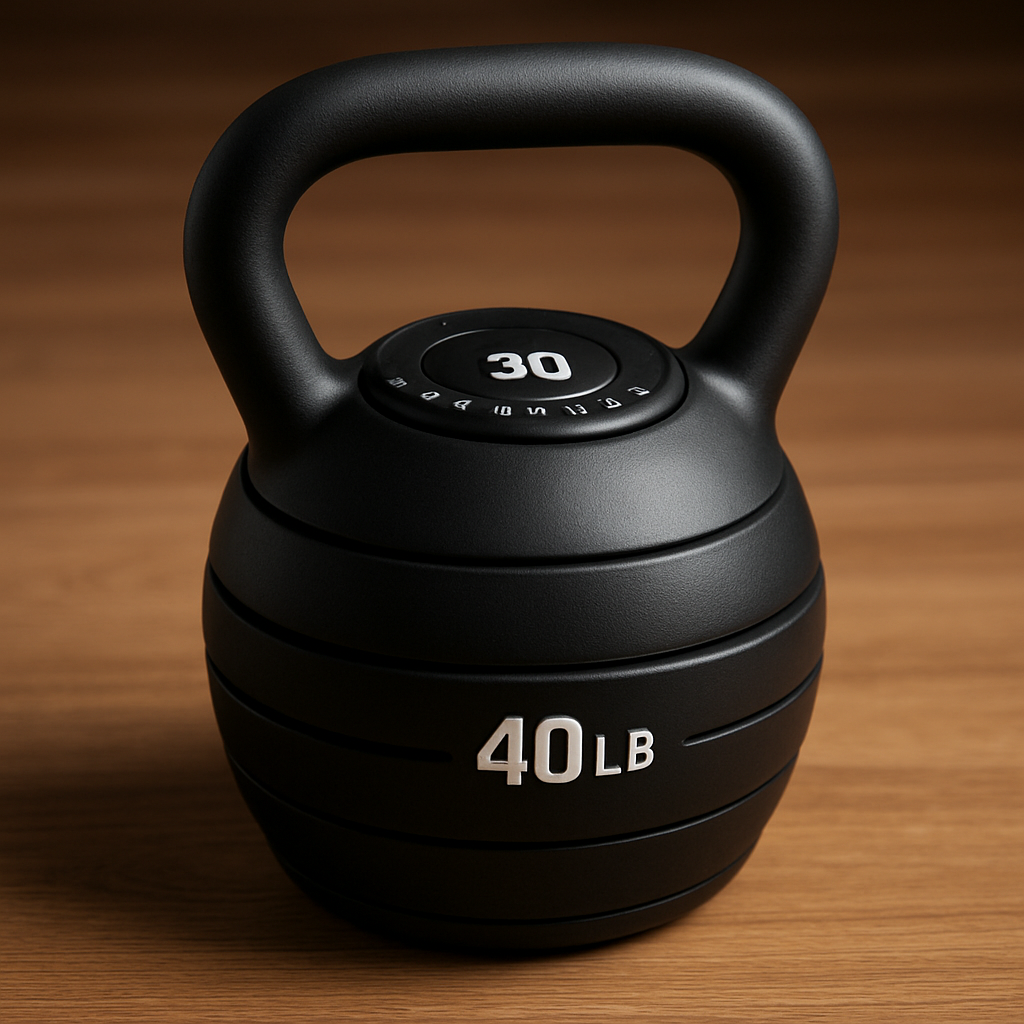
Maintenance & Safety Tips for Your Adjustable Kettlebell
When your adjustable kettlebell 40 lb is the workhorse of your home gym, a few minutes of upkeep can mean the difference between a smooth swing and a surprise wobble.
First thing’s always safety – treat the dial like a tiny gear‑box that’s holding several metal plates together. If the lock isn’t fully engaged, you’re basically swinging a loose set of plates, and that’s a recipe for a busted grip or even a strained shoulder.
Here’s a quick checklist you can run through after every session.
Daily Quick‑Check
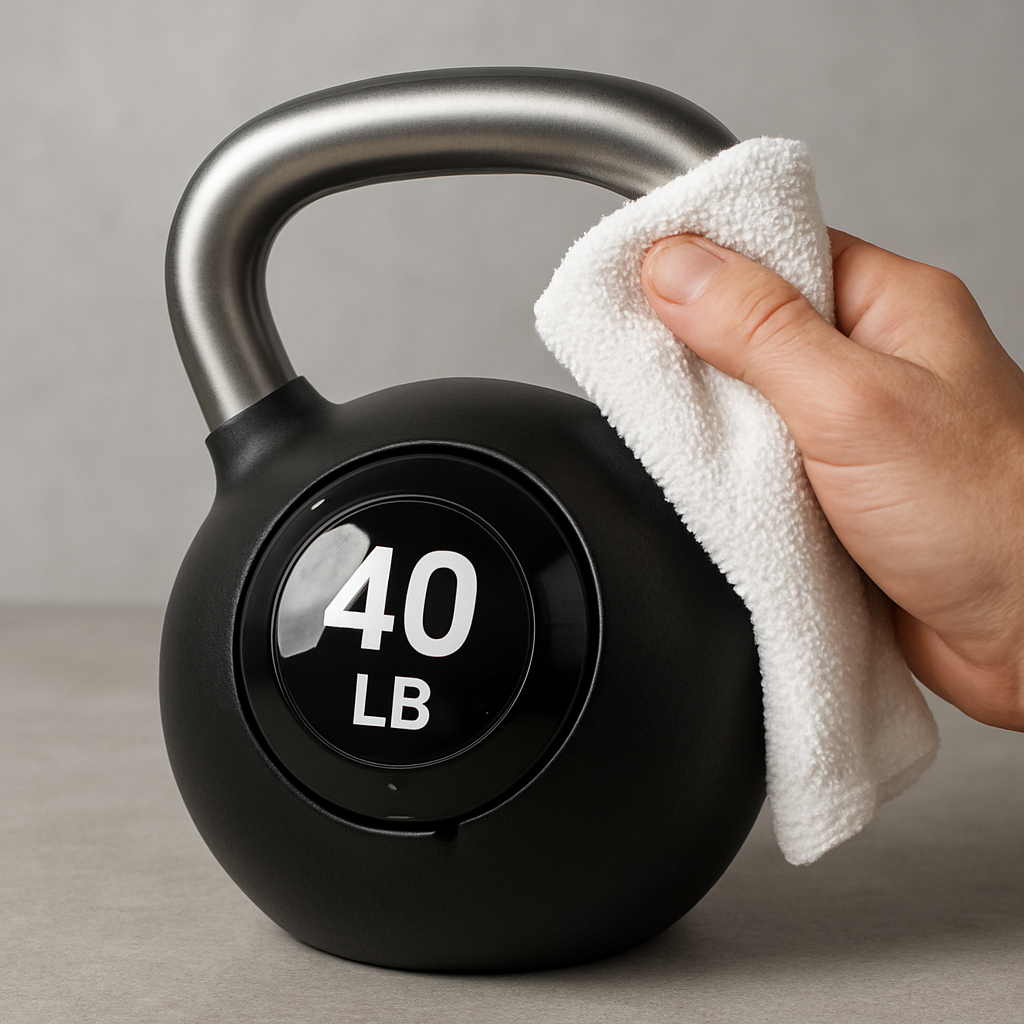
- Wipe the handle with a damp cloth to remove sweat and dust. A clean grip keeps the sleeve from getting sticky.
- Give the dial a half‑turn clockwise and then back counter‑clockwise. This clears any grit that might have settled in the gear teeth.
- Lift the kettlebell a few inches off the floor and give it a gentle shake. You should feel solid; any wobble means the lock didn’t fully click.
- Inspect the outer sleeve for cracks or chips. Even a small nick can become a stress point over time.
Does that feel like a lot? Not really – it’s under a minute, and you’ll notice the difference the next time you swing.
Weekly Deep Clean
Once a week, take a few extra minutes to really pamper your kettlebell.
1. Remove the weight plates if your model allows it. Place them on a clean towel and wipe each plate with a lightly dampened microfiber cloth. Avoid harsh chemicals; a mild soap solution is plenty.
2. Grab a soft‑bristle brush and gently scrub the dial’s crevices. You’re not trying to sand it down, just coaxing out any dust that could affect the click.
3. Dry everything thoroughly before re‑assembling. Moisture is the enemy of the sealed steel shaft and can eventually lead to rust – something you definitely don’t want on a piece you lift repeatedly.
4. Re‑lock the plates, then do a test swing. The bell should feel as balanced as a cast‑iron counterpart.
And here’s a little secret: a quick spray of a silicone‑based lubricant on the dial’s edge (just a dab) can keep the turning action buttery smooth for months.
Storage & Transport Tips
Where you stash the kettlebell matters as much as how you clean it. Store it upright on a sturdy shelf or in a corner where it can’t be knocked over. The upright position keeps the internal plates settled and prevents them from grinding against each other during transport.
If you travel with it – say you’re heading to a client’s garage or a weekend cabin – wrap the handle in a thin towel or a silicone sleeve. That extra layer absorbs sweat residue and protects the dial from accidental bumps.
When you’re packing it in a duffel, place a piece of cardboard between the kettlebell and any other gear. This simple barrier stops the dial from being jostled, which could loosen the lock over time.
Spotting Common Issues Before They Escalate
Even the best‑built models develop quirks. Keep an eye out for these tell‑tale signs:
- Click feels mushy. If the dial doesn’t produce a solid “click,” the internal spring may be worn. Tighten the dial a few extra turns and test again – if it’s still vague, consider reaching out to the manufacturer.
- Handle slips when sweaty. A worn‑out grip surface can be refreshed with a little grip‑enhancing spray or by swapping to a replaceable rubber sleeve, if your model supports it.
- Plate rattling. Light noise during a swing usually means a plate isn’t fully locked. Pause, re‑engage the lock, and give it a quick lift to confirm stability.
When you catch these issues early, you avoid costly repairs and keep your workouts uninterrupted.
So, what’s the bottom line? Treat your adjustable kettlebell 40 lb like a prized piece of equipment: a quick wipe, a daily click‑check, a weekly deep clean, and smart storage will keep it humming for years. You’ll spend less time worrying about safety and more time crushing those swings, goblet squats, and snatches you love.
FAQ
What makes an adjustable kettlebell 40 lb different from a traditional cast‑iron set?
Think of the dial as a quick‑swap gearbox. Instead of hunting for plates, you turn a sleeve and lock the next weight in place. The core benefit is speed – you can go from 10 lb to 30 lb in three seconds, which keeps your heart rate up and the workout flowing. Because the plates sit inside the shell, the balance feels almost identical to a solid bell, so you don’t have to relearn your swing mechanics.
That convenience also saves space. One compact unit replaces a whole rack of separate bells, making it perfect for apartments or portable trainer kits.
How do I know if the dial on my adjustable kettlebell 40 lb is securely locked?
First, listen for a solid “click” – it should feel like a decisive snap, not a soft thunk. After you hear it, give the bell a light lift; there should be zero wobble. A quick test swing is a good sanity check: if the weight feels steady through the arc, the lock is good.
If you notice any play, rotate the sleeve an extra half‑turn clockwise and test again. Consistent clicks mean the internal spring is engaging properly.
Can I use an adjustable kettlebell 40 lb for rehab or low‑impact work?
Absolutely. The ability to dial in 5‑lb increments lets you start at a gentle 5 lb for shoulder stabilization or ankle mobility drills, then gradually add weight as strength returns. Because the center of mass stays centered, the movement feels smooth and reduces unwanted strain on joints.
Just make sure the dial is fully engaged before each set – a loose lock could introduce an unexpected jolt, which you definitely want to avoid during rehab.
How often should I clean and maintain the dial mechanism?
After every workout, wipe the handle with a damp cloth to get rid of sweat and dust. Then give the dial a half‑turn clockwise and back counter‑clockwise; this clears any grit that might settle in the gear teeth. A weekly deep clean – removing plates if possible, brushing the crevices, and drying everything thoroughly – keeps the click crisp for months.
If you notice the dial getting sticky, a dab of silicone‑based lubricant on the edge (no excess) will restore that buttery feel.
Is the adjustable kettlebell 40 lb safe for high‑intensity circuits?
Yes, as long as you respect the lock. The gear‑driven system is designed for rapid weight changes mid‑circuit, and many athletes report using it for 20‑minute HIIT sessions without issue. The key is to double‑check the click before you jump into explosive moves like snatches or clean‑and‑presses.
Also, keep the floor surface non‑slippery – a rubber mat protects both the bell and your footing.
What should I do if the click feels “mushy” or the dial won’t stay in place?
A mushy click usually signals a worn internal spring or debris inside the gear train. First, try turning the sleeve a few extra clicks to see if it tightens up. If the problem persists, give the dial a thorough clean with a soft brush and a light wipe of soapy water.
Should the issue remain, contact the manufacturer’s support – most brands honor a warranty for mechanical failures within the first year.
Will the adjustable kettlebell 40 lb work with my existing home‑gym setup?
Because it’s a single, self‑contained unit, it fits on any flat surface – a rubber mat, wooden floor, or even a sturdy bench if you need extra height. Its upright storage profile means it won’t dominate the corner of your room, leaving room for a pull‑up bar, a set of dumbbells, or a yoga mat.
In short, it integrates seamlessly with most home‑gym layouts, giving you the flexibility to swap between strength, cardio, and mobility work without rearranging equipment.
Conclusion
By now you’ve seen how the adjustable kettlebell 40 lb can slip into any corner of your home gym without stealing the spotlight. It’s the kind of gear that lets you swing, squat, and press without hunting for plates, and that convenience alone can keep your heart rate where you want it.
Think about the last time you paused a circuit just to grab a dumbbell plate. With the click‑and‑lock dial, that pause disappears – you twist, you hear a solid click, and you’re right back in the flow. That small time‑saver adds up, especially when you’re juggling clients or squeezing a workout between Zoom calls.
And if you’re a rehab specialist, the 5‑lb increments give you the granularity to progress safely, while the sealed design means fewer rust worries and less maintenance. A quick wipe after each session and a weekly spin of the dial keeps everything buttery smooth.
So, what’s the next step? Grab your adjustable kettlebell 40 lb, set it on a non‑slippery mat, and run the 7‑day challenge we mentioned earlier – swing, clean, and snatch, adding 5 lb each day. Feel the difference in your rhythm, your strength, and your confidence.
When the bell feels right in your hands, you’ll know it’s more than a piece of metal – it’s a portable training partner that grows with you.
Remember, consistency beats perfection. Keep the dial clean, check the lock before every set, and let the adjustable kettlebell 40 lb become the reliable core of your evolving workout routine for life.