
Recent Post

Grass Fed Whey Protein Isolate Powder: A Complete Guide to Benefits, Selection, and Use

Whey Isolate for Lactose Intolerance: A Practical Guide to Safe Protein Supplementation

Lactose Free Whey Protein Isolate: Complete Guide to Benefits, Brands, and Usage

20 minute kettlebell workout for beginners: A Step‑by‑Step Guide

Adjustable Kettlebell 40 lb: Complete Buying, Setup, and Workout Guide

Smart Shoppers' Black Friday List: 10 Must-Have Deals and Tips
Leave a comment
Lactose Free Whey Protein Isolate: Complete Guide to Benefits, Brands, and Usage
Ever opened a protein shaker and felt that familiar twinge in your stomach, like you just swallowed a glass of milk?
If you’re lactose intolerant, that little discomfort can turn a post‑workout recovery routine into a dreaded experiment.
That’s where lactose free whey protein isolate steps in, offering the pure, fast‑absorbing protein you crave without the dairy drama.
Think about the last time you mixed a scoop of regular whey and felt the bloated, gassy aftermath – not exactly the feeling you want after a leg day.
Lactose free whey protein isolate strips away the milk sugars, leaving behind a protein matrix that’s 90%+ pure and virtually zero lactose.
That means you can sip a shake right after a HIIT session, keep your gut happy, and still hit those 20‑30 gram protein targets.
Plus, because the isolate is filtered multiple times, it dissolves like a dream – no gritty clumps, no chalky aftertaste.
You might wonder, ‘Is it really lactose free, or just low‑lactose?’ The answer is simple: reputable brands test every batch to ensure <1 g of lactose per serving.
For Canadian athletes, FitCore Supply carries a few top‑rated isolates that meet that strict standard, so you don’t have to hunt around the internet.
Imagine finishing a kettlebell circuit, grabbing your reusable bottle, and mixing in a scoop that fuels muscle repair without any gut upset.
That smooth, worry‑free recovery is the hidden advantage of going lactose free – you spend less time in the bathroom and more time crushing goals.
And because you’re not battling a sore stomach, you’ll notice your performance metrics inching up – stronger lifts, quicker sprints, clearer focus.
So if you’ve been stuck on the fence, wondering whether the extra price tag is worth it, think of it as an investment in comfort and consistency.
Ready to ditch the dairy drama? Let’s dive into how to choose the best lactose free whey protein isolate for your routine.
TL;DR
Lactose free whey protein isolate gives you fast, pure protein without gut upset, so you can recover quickly after every workout.
Choose a certified Canadian brand, mix a scoop with water or milk alternative, and enjoy no‑bloat shakes that boost muscle repair, stamina, and focus for rest of your day.
Understanding Lactose‑Free Whey Protein Isolate
When you hear “whey protein isolate,” think of whey that’s been stripped down to its purest form – a protein matrix that’s over 90 % protein and almost no fat, carbs, or milk sugars. It’s the result of an extra‑heavy filtration step that pushes out virtually everything that isn’t protein.
That filtration is what makes the product lactose‑free. Manufacturers run the whey through micro‑ or ultrafiltration membranes, catching the lactose crystals along the way. The end result is a powder that looks and feels like a fine snow, but without the dairy‑related gut irritants.
Because the isolate is so concentrated, each scoop typically delivers 20‑30 grams of high‑quality protein with less than 1 gram of lactose. That tiny amount is usually below the threshold that triggers symptoms for most lactose‑intolerant athletes.
From a digestion standpoint, the body can absorb isolate faster than concentrate. The reduced fiber and sugar load means your stomach isn’t busy breaking down carbs; it can focus on delivering amino acids straight to muscle fibers. That’s why you often hear “fast‑acting” in product descriptions.
So, why does speed matter? Imagine you just smashed a HIIT circuit and your muscles are screaming for repair. A quick‑absorbing protein source can jump‑start the rebuilding process, helping you feel less sore and ready for the next session.
Many people assume “lactose‑free” means “low‑lactose.” The reality is that reputable brands test each batch and guarantee less than 1 g per serving. It’s a strict standard that turns a potentially risky supplement into a safe, predictable option.
That consistency translates into performance gains you can actually notice – smoother lifts, steadier sprint times, and clearer focus during post‑workout cool‑downs. When you’re not battling a bloated belly, you can keep your mental energy on the lift, not the bathroom.
Taste-wise, isolate usually mixes into a silky‑smooth shake. Because the sugar content is minimal, you won’t get that overly sweet, chalky aftertaste you sometimes find in cheaper concentrates. Pair it with water, almond milk, or even a splash of coconut water for a clean, refreshing sip.
Choosing the right brand matters, especially here in Canada where standards are tight. Look for products that display a certified “third‑party testing seal” and a clear lactose threshold. That way you’re not guessing about quality.
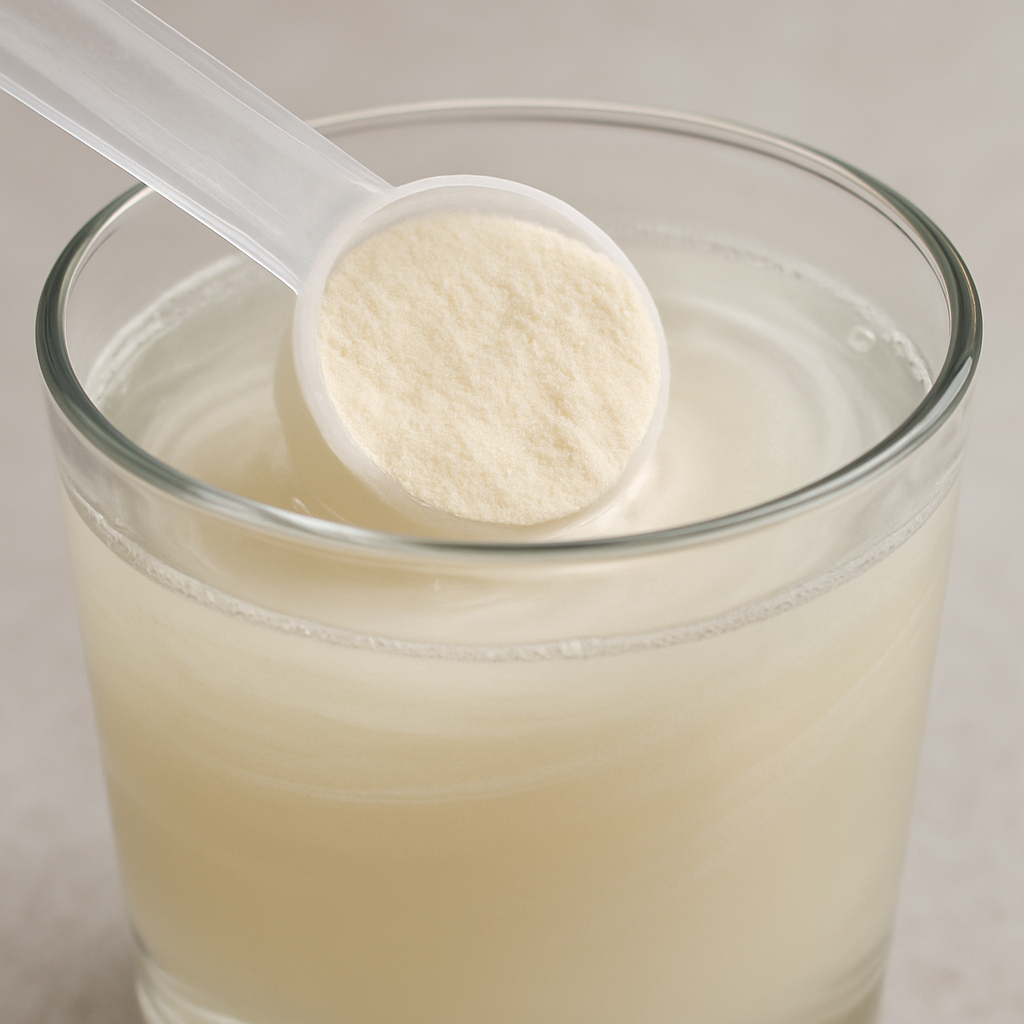
When you blend your isolate, start with a 250 ml base and stir or shake for 20‑30 seconds. If you prefer a thicker texture, add a frozen banana or a handful of berries – the low‑lactose formula won’t curdle like regular whey might with dairy milk.
Timing is another piece of the puzzle. Aim for a serving within 30‑45 minutes post‑workout, when your muscles are most receptive to nutrients. If you’re training twice a day, a second scoop mid‑day can keep protein synthesis ticking over.
Integrating the isolate into a broader lifestyle is where holistic nutrition plans really shine. Pair your shake with a balanced meal of lean carbs and healthy fats, and you’ll support not just muscle repair but overall recovery.
Actionable tip: Keep a pre‑measured scoop in a reusable shaker in your gym bag. When you finish your session, just add water, shake, and you’re good to go – no guesswork, no stomach drama.
How Lactose Is Removed During Processing
Okay, so you’ve seen the video and the illustration – now let’s actually walk through what’s happening inside that sleek white powder. Think about the last time you strained coffee through a paper filter; you know the idea of catching the grit while letting the good stuff flow through? That’s the core of how lactose disappears from whey.
Cold‑filtration: the chill way
First up, manufacturers drop the whey concentrate into a chilled, controlled environment. Keeping the temperature low (<10 °C) prevents the proteins from unfolding, which is what we call denaturation. When the proteins stay intact, the tiny pores of a micro‑filter can tease out fat, carbs, and—yes—lactose, while leaving the protein strands untouched. The result? A powder that’s virtually fat‑free and lactose‑free, and still 90 %+ pure protein. The cold‑filtration process is praised for preserving bioactive fractions like immunoglobulin and lactoferrin, which you won’t get in a heated batch.
And here’s why the “cold” part matters: proteins that get heated can lose up to 15 % of their original structure, but cold‑filtered isolates stay mostly native—some studies say only 0‑3 % denatured. That tiny difference means your body sees a cleaner, more recognizable protein, and you sidestep the gut irritation that often comes from leftover lactose.
Micro‑filtration and ion‑exchange: double‑down on purity
After the chill step, the whey passes through a series of even finer membranes—think of it like moving from a coffee filter to a tea strainer to a silk cloth. Each pass shaves off more of the unwanted sugars. The final stage often involves ion‑exchange, where charged particles attract the remaining lactose molecules and pull them away from the protein matrix. This multi‑layered approach is why you’ll see labels bragging “< 1 g lactose per serving.”
Ever wondered why some isolates still feel a bit gritty? That’s usually a sign the filtration wasn’t thorough enough, leaving tiny lactose crystals behind. A true lactose‑free isolate, however, will dissolve like water into a glass—no sand‑paper feel, no lingering sweetness.
What the numbers really mean for you
Let’s break it down in plain English. If a scoop contains 25 g of protein and less than 1 g of lactose, you’re getting roughly a 96 % protein‑to‑non‑protein ratio. That tiny lactose fraction is below the threshold that triggers symptoms for most lactose‑intolerant folks. In practice, you can sip a shake after a heavy leg day and keep the bathroom visits to a minimum.
But remember: “lactose‑free” isn’t a blanket cure for every sensitive stomach. Some people react to the whey protein itself, not the sugar. That’s why the cleanest isolates also strip out fillers, artificial sweeteners, and gums—fewer extras mean fewer variables that could irritate your gut.
So, what should you look for on the package? A clear claim of “cold‑filtered” or “micro‑filtered,” a lactose statement of “< 1 g per serving,” and ideally a third‑party certification (NSF, Informed‑Sport) that backs up the numbers. If the label reads “lactose‑free whey protein isolate,” you can trust that the manufacturer has run the whey through at least two of these filtration steps.
Quick tip: when you’re shopping, compare the ingredient list. If you see “soy lecithin” or “natural flavors” but no maltodextrin, sugar, or milk solids, you’re likely looking at a high‑grade isolate. Those minor additives don’t add lactose, but they also don’t sabotage the purity.
And here’s a little experiment you can try at home. Mix half a scoop of your chosen isolate with plain water, let it sit 15 minutes, then sip. If you feel nothing but a smooth, almost creamy texture, you’ve probably found a truly lactose‑free product. Keep that shaker in your gym bag for future trials.
Bottom line: the combination of cold‑filtration, micro‑filtration, and ion‑exchange is what turns regular whey into the quiet hero of post‑workout recovery—high‑protein, low‑lactose, and easy on the stomach. Knowing the steps helps you spot the genuine articles and avoid the gritty imposters.
Key Benefits of Lactose‑Free Whey Isolate for Athletes
If you’ve ever felt that familiar gut‑tightening after a post‑workout shake, you know how quickly a good session can turn into a frustrating lesson in trial‑and‑error.
Lactose‑free whey protein isolate flips that script by giving you a pure, fast‑absorbing protein source that practically whispers “go” to your muscles while keeping your stomach calm.
Speedy muscle protein synthesis
Because the lactose has been stripped out, the isolate is about 90 % protein by weight. That means each scoop delivers a dense burst of essential amino acids that zip into your bloodstream within minutes. For an athlete chasing the anabolic window, that rapid delivery can translate into a few extra grams of muscle protein synthesis after a heavy lift or sprint interval.
So, what does that speed actually feel like in the gym?
You’ll notice tighter reps, less wobble on the bench, and a quicker bounce back when you hit a second set. It’s not magic – it’s just a cleaner protein hitting the same receptors without the digestive drag.
Gut‑friendliness that fuels consistency
When lactose sits in your gut, bacteria ferment it, creating gas, bloating, and that dreaded “I need to find a bathroom” feeling. With a lactose‑free isolate, that whole cascade is removed. The result? You can drink a shake right after a 30‑minute HIIT circuit and stay focused on the next drill instead of scouting the nearest restroom.
Many endurance athletes notice that avoiding gastrointestinal distress lets them push a few extra minutes or another set, which adds up over weeks.
Improved body composition and recovery
Because the isolate is low in carbs and fat, each calorie is almost all protein. That makes it easier to stay in a slight calorie deficit while still hitting your protein goals – a key factor for lean muscle gain or fat loss.
And the quick absorption means you replenish depleted muscle glycogen and repair micro‑tears faster, cutting down the soreness that can keep you from hitting the gym three days in a row.
In practice, athletes who swap a regular whey concentrate for a lactose‑free isolate often report feeling “lighter” on the bench press and seeing a modest jump in lean mass after eight weeks of consistent training.
Does that sound like something you’d want in your routine?
If you’re already juggling supplements, swapping one scoop of a cheap concentrate for a premium lactose‑free isolate is a tiny price for a smoother recovery, fewer bathroom trips, and a bit more confidence that your nutrition won’t sabotage your next PR.
Practical tips for getting the most out of lactose‑free whey isolate
Here are a few no‑nonsense ways to make the benefit stick.
- Mix with water or a low‑lactose milk alternative right after training; the fast digestion won’t be slowed by extra carbs.
- Start with half a scoop on training days when you’re sore; if you feel nothing, graduate to a full serving for optimal protein intake.
- Keep the powder in a cool, dry place; heat can cause clumping and affect solubility, which defeats the “no‑gripe” promise.
- Pair the shake with 20‑30 g of fast carbs (like a banana) if you’re doing back‑to‑back sessions; the carbs won’t re‑introduce lactose but will spike insulin and shuttle amino acids into muscle.
Bottom line: lactose‑free whey protein isolate gives athletes the speed, gut comfort, and protein efficiency they need to train harder, recover faster, and stay consistent day after day.
Comparing Top Lactose‑Free Whey Isolate Brands
Okay, you’ve convinced yourself that a lactose‑free whey isolate is the gut‑friendly route. The next question is: which brand actually lives up to the hype? It’s easy to get lost in a sea of glossy packaging, but the devil’s in the details – protein percentage, lactose count, flavor options, and third‑party testing.
Let’s start with a quick reality check. Not every “isolate” is created equal. Some manufacturers only filter once, leaving behind trace lactose that can still bother the most sensitive stomachs. Others go through three‑step cold‑filtration, ion‑exchange, and then add a gluten‑free seal of approval. That extra processing usually pushes the protein‑to‑non‑protein ratio up to 90‑95%.
According to Men's Health, whey isolate typically delivers 90‑95% protein per scoop, which translates to roughly 25‑27 g of pure amino acids and less than 1 g of lactose – the sweet spot for anyone with lactose intolerance.
Brand‑by‑brand breakdown
Below is a snapshot of three contenders that pop up on FitCore Supply’s shelves. The numbers come straight from the product labels, so you can compare apples‑to‑apples without guessing.
| Brand | Protein per scoop (g) | Lactose per serving | Notable feature |
|---|---|---|---|
| ProteinCo Grass‑Fed New Zealand Whey Isolate | 27 | <1 g | Grass‑fed, NSF Certified for Sport |
| Revolution High Whey – Chocolate Banana | 25 | <1 g | Gluten‑free, 6 lb bulk tub |
| Premium Lactose‑Free Isolate (generic) | 24 | 0 g (lab‑tested) | Micro‑filtered, no artificial sweeteners |
Notice the subtle differences? ProteinCo tops the protein chart, but it also carries a higher price tag because of the grass‑fed sourcing and third‑party certification. If you’re watching the budget, Revolution’s chocolate‑banana flavor gives you solid numbers and a tasty treat without breaking the bank.
Now, let’s get real with some use‑case scenarios.
Scenario 1 – The early‑morning HIIT lover
You finish a 30‑minute sprint circuit at 5 am, the lights are still flickering, and you need a fast, gut‑neutral shake before heading to work. A 25‑gram scoop of the Revolution isolate mixed with water hits the sweet spot: quick absorption, no extra carbs, and under 1 g lactose, meaning you won’t sprint to the bathroom on the way to the office.
Scenario 2 – The weekend bulk‑up
Saturday’s heavy leg day leaves you sore and craving calories. Here, the extra 2 g of protein in ProteinCo’s grass‑fed formula can make a noticeable difference in muscle protein synthesis, especially when you pair it with a banana for fast carbs. The NSF certification also reassures competitive athletes who undergo regular drug testing.
Scenario 3 – The traveling minimalist
You’re on a cross‑country train, space is at a premium, and you only want a single‑serve sachet. The generic premium isolate comes in 30‑g packets that fit a pocket. No artificial flavors, zero lactose, and a clean label – perfect for on‑the‑go recovery.
So, how do you pick the right one?
- Check the protein‑per‑scoop number. Aim for 24 g + .
- Verify the lactose claim – it should read “<1 g per serving” or “0 g”.
- Look for third‑party testing (NSF, Informed‑Sport). This cuts down the risk of mislabeled batches.
- Consider flavor and mixability. If you plan to shake with water, you want a powder that dissolves without grit.
For a quick visual reference, take a look at our curated collection of top‑rated isolates – Featured Fitness Products | Latest Picks at FitCore Supply. You’ll see the same three brands highlighted above, plus a few seasonal flavors that might make your post‑workout routine feel less like a chore.
And because many of our readers are also juggling weight‑loss goals, especially women over 40, you might appreciate this tip: swapping a high‑carb concentrate for a lactose‑free isolate can shave off up to 8 g of carbs per shake, which adds up over a month. Weight Loss After 40 for Women even recommends low‑carb protein options as a strategy to keep blood sugar steady during calorie‑deficit phases.
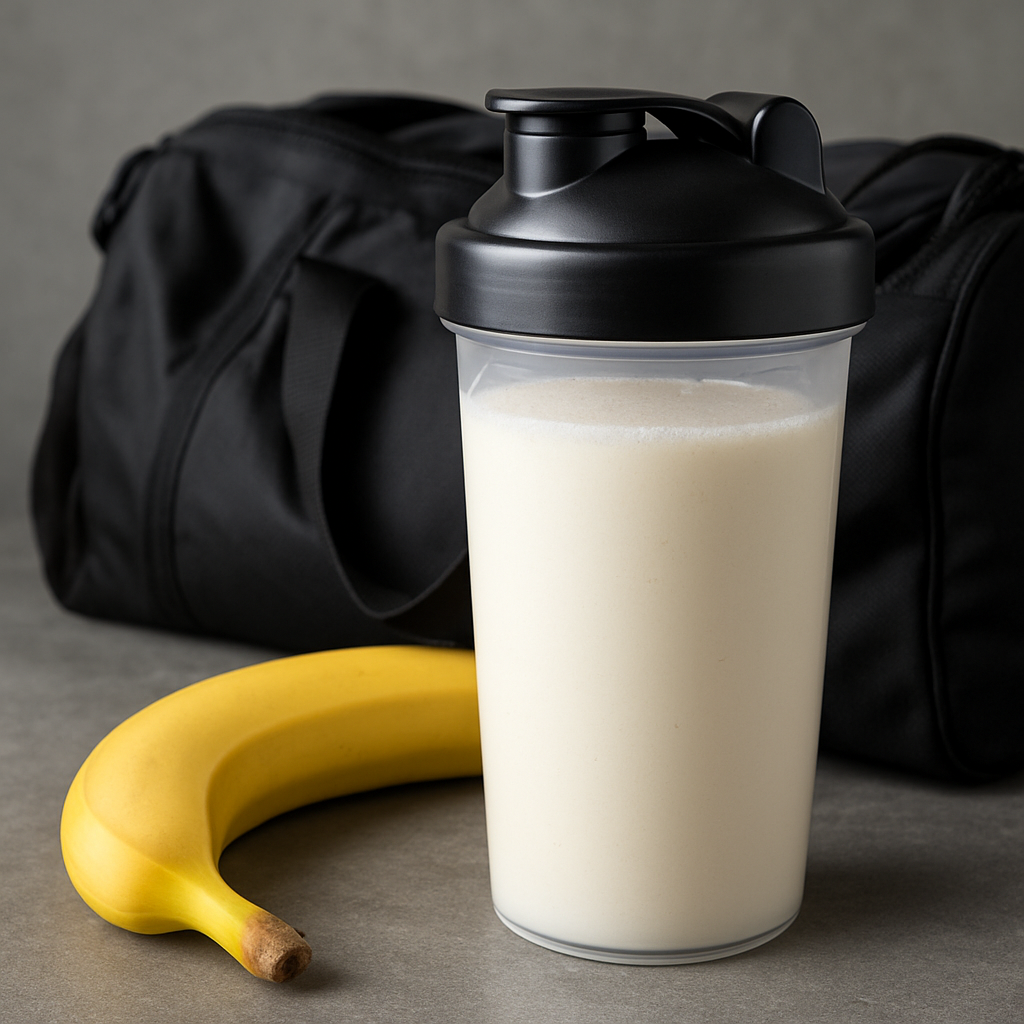
Bottom line: there’s no one‑size‑fits‑all answer. Your choice should line up with your training schedule, budget, and flavor preferences. Grab a sample, test the mixability, and see how your gut reacts. Once you’ve found the brand that feels effortless, you’ll notice the recovery boost without the bathroom dash, and that’s the kind of consistency that turns a good program into a great one.
How to Choose and Incorporate Lactose‑Free Whey Isolate into Your Diet
Okay, you’ve already seen why a true lactose‑free whey isolate can feel like a secret weapon. The next question is: how do you actually pick the right one and make it work for you without turning your kitchen into a chemistry lab?
Step 1: Pin down your priority checklist
Ask yourself what matters most right now. Are you hunting for the highest protein‑per‑scoop number, or is mixability in a cold‑water shaker your deal‑breaker? Maybe you’re on a tight budget but still need a clean label. Write those three criteria down – you’ll use them like a filter later.
So, what should you do next? Grab a pen, open the product page, and start ticking boxes.
Step 2: Read the label like a detective
Look for three magic phrases: “Less than 1 g lactose per serving,” “micro‑filtered” or “ion‑exchange processed,” and a third‑party badge such as NSF or Informed‑Sport. Those clues tell you the brand actually stripped out the milk sugar and verified it.
For a quick sanity check, Fitspire notes that true whey isolates can have “almost zero lactose” and deliver over 90 % protein – exactly the numbers you want.
Step 3: Test the gut‑friendliness before you commit
Even with a <1 g lactose claim, individual tolerance varies. Mix half a scoop with plain water, sip, and wait 15‑20 minutes. If you feel nothing but a smooth texture, you’ve got a winner. Keep that trial shaker in your gym bag for future brand swaps.
Pro tip: use a stainless‑steel shaker with a tight‑fit lid. It prevents the powder from settling and gives you a true sense of mixability.
Step 4: Choose the right liquid base
If you’re after speed, water is the fastest carrier – no carbs, no extra digestion time. If you miss a bit of creaminess, pick an almond‑milk or oat‑milk that’s also low‑lactose. Avoid dairy milks unless you’re comfortable with the extra lactose.
Here’s a real‑world scenario: Sarah, a 38‑year‑old marathoner, mixes a scoop of isolate with cold‑brew coffee and a splash of oat milk right after her long run. She gets the protein boost without the post‑run tummy tumble.
Step 5: Time it right
Post‑workout is the classic window, but you can also use isolate as a “protein snack” between meals. Pair a half‑scoop with a banana for fast carbs if you have another session within two hours.
Mike, a strength coach, stacks a full scoop into his post‑squat shake, then adds a second half‑scoop 30 minutes later when he heads into a mobility class. The staggered dosing keeps his muscle protein synthesis elevated for longer.
Step 6: Build a simple routine checklist
- Morning: ½ scoop in a 250 ml water bottle – quick wake‑up protein.
- Post‑workout: 1 scoop + 1 banana + 200 ml almond milk.
- Evening (optional): ¼ scoop mixed with warm herbal tea if you’re craving comfort without calories.
This three‑point plan removes guesswork and makes the supplement feel like a natural part of your day.
Step 7: Store it right
Keep the container in a cool, dry pantry. Heat and humidity cause clumping, which defeats the “no‑gripe” promise. A small silica packet tucked into the lid can help if you live in a humid climate.
And don’t forget to rotate stock: use the oldest container first so you always get the freshest batch.
Step 8: Track and tweak
Jot down how you feel after each shake – energy, digestion, recovery speed. After a week, you’ll see patterns. If you notice any lingering bloating, cut the serving size in half and add a fast carb, then reassess.
According to Frog Fuel’s guide, many athletes experience better gut tolerance when they pair whey isolate with a small amount of easily digestible fruit or a dash of electrolytes.
Bottom line: choosing and using lactose‑free whey isolate isn’t rocket science. It’s about a clear priority list, a label‑read, a quick gut test, and a repeatable shake schedule. Follow these steps, and you’ll get the muscle‑building benefits without the bathroom dash.
Potential Side Effects and Safety Considerations of Lactose‑Free Whey Isolate
Alright, you’ve found a powder that promises zero gut drama, but you’re still wondering – could there be any hidden downsides? It’s a fair question, especially when you’re adding anything new to a routine that already feels packed.
Common digestive concerns
Even though the lactose is stripped out, some folks still report a bit of bloat or gas after a shake. Why? The protein itself can be a bit “sticky” for a sensitive gut, especially if you’re used to getting most of your protein from whole foods.
One quick way to spot a problem is the classic “listen to your belly” test: mix half a scoop with water, sip, and wait 15‑20 minutes. If you feel a gentle, neutral feeling, you’re probably good. If you notice a rumble, you might need to tweak the liquid base or the serving size.
Healthline notes that digestive symptoms like bloating and gas are often tied to lactose intolerance, but they also acknowledge that whey isolates can still cause mild discomfort for some people according to Healthline’s review of whey protein side effects.
When more than just lactose is the culprit
Artificial sweeteners, flavorings, or added gums can be sneaky irritants. A “clean‑label” isolate that skips the sugar substitutes usually plays nicer with your gut. Look for terms like “no artificial sweeteners” on the package – it’s a small detail that makes a big difference.
Also, the temperature of your shake matters. Mixing a cold scoop with ice‑cold water tends to keep the protein more soluble, which means fewer undissolved particles that could sit in the stomach and ferment.
Kidney, liver, and bone health myths
There’s a lot of chatter about high‑protein diets overworking the kidneys or leaching calcium from bones. The consensus in the scientific community is that healthy adults can handle the protein levels you’d get from a typical whey isolate (around 20‑30 g per serving) without any trouble.
If you have a pre‑existing kidney or liver condition, it’s wise to check with your doctor before loading up on any supplement – that’s true for whey isolate just as it is for any protein source.
Allergy vs. intolerance
Remember, a cow’s milk allergy isn’t the same as lactose intolerance. An allergy is an immune response to the whey proteins themselves and can cause hives, swelling, or even anaphylaxis. If you’ve ever had a reaction that feels more than just a tummy ache, you might be dealing with an allergy rather than intolerance.
In that case, switching to a whey isolate won’t solve the problem; you’d need to move to a non‑dairy protein like pea or rice.
So, what should you keep an eye on? Think of it as a simple safety checklist you can run through each time you add a new batch to your shaker.
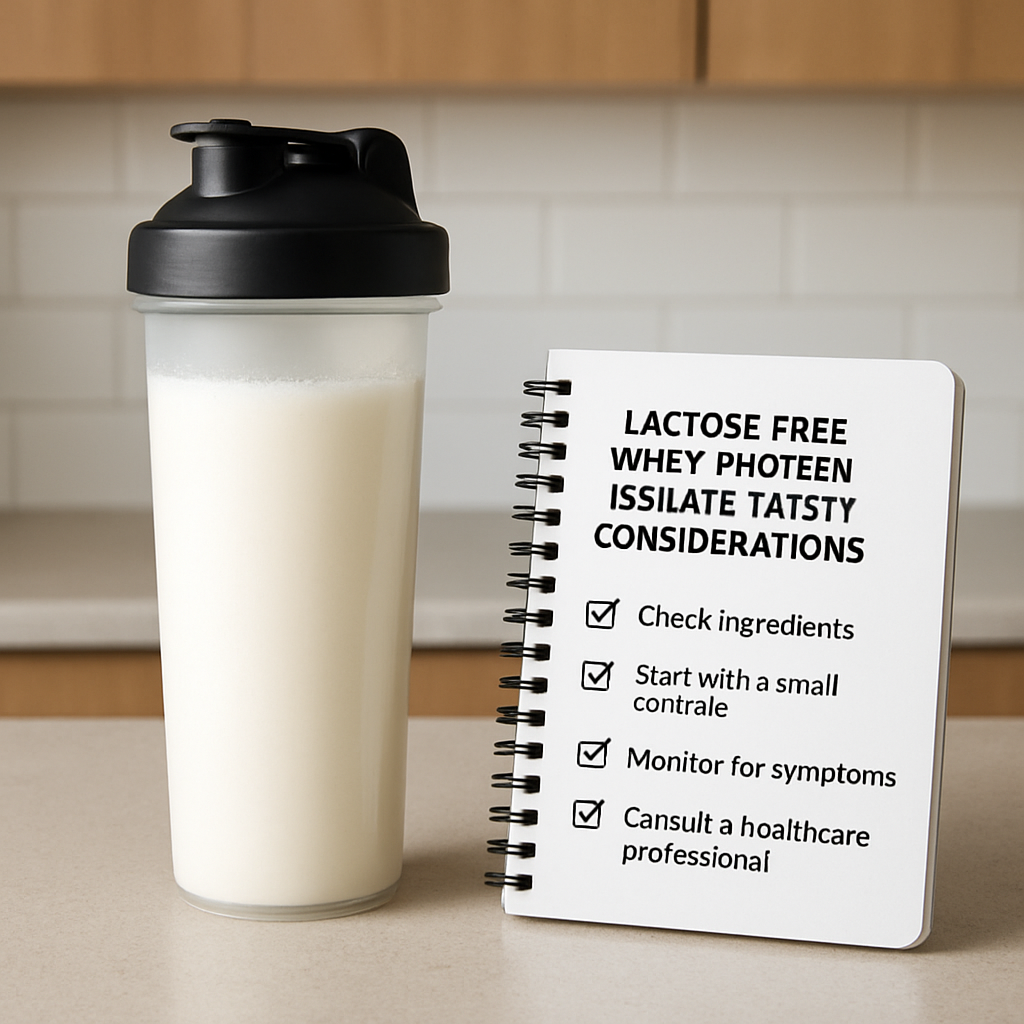
Practical safety checklist
- Read the label: less than 1 g lactose per serving and no artificial sweeteners.
- Do a half‑scoop gut test before committing to a full serving.
- Mix with cold water or a low‑lactose milk alternative to improve solubility.
- Track any symptoms for a week – note bloating, gas, or unusual cravings.
- If you have a known kidney, liver, or bone condition, ask your healthcare provider before use.
- Store the powder in a cool, dry place to prevent clumping and preserve purity.
Bottom line: lactose‑free whey protein isolate is generally safe for most athletes, but a little due diligence goes a long way. By listening to your body, choosing a clean product, and keeping an eye on any lingering discomfort, you can enjoy the muscle‑building benefits without the unwanted side effects.
Conclusion
We've walked through everything from the science behind stripping lactose out of whey to the tiny checklist you can run before you pour that next scoop.
Bottom line? If you choose a true lactose free whey protein isolate, you get fast‑acting muscle fuel without the bathroom dash, and you keep your workouts focused on the lift, not the loo.
So, what’s the next move? Grab a sample, do the half‑scoop gut test we talked about, and note how you feel for a week. If the shake sits smooth and you stay on schedule, lock that product into your post‑workout routine.
Remember, the magic lives in three things: less than 1 g lactose per serving, a clean label with no artificial sweeteners, and a third‑party seal that backs the claim. When those boxes are checked, you’ve basically earned a “no‑gripe” guarantee.
Finally, keep the habit simple: one scoop in cold water right after you train, or blend with a low‑lactose milk if you crave a little creaminess. Consistency beats perfection every time.
Ready to ditch the dairy drama for good? Make that lactose free whey protein isolate your go‑to recovery partner and watch your performance edge sharpen, one shake at a time.
FAQ
What exactly makes a whey isolate “lactose free”?
When you see “lactose free whey protein isolate” on a label, the manufacturer has run the whey through at least two filtration steps—usually a cold‑micro‑filter followed by ion‑exchange. Those processes pull out virtually all of the milk sugar, leaving less than 1 gram of lactose per serving. Because the protein stays intact, you still get the full amino‑acid profile, but the gut‑irritating sugar is gone. In practice that means you can sip a shake after a heavy leg day and not feel the sudden urge to run to the bathroom.
How do I know if a product really contains less than 1 g of lactose per scoop?
The easiest way is to look for the specific claim on the Nutrition Facts panel – it will read something like “< 1 g lactose per serving” or “lactose‑free (≤ 1 g)”. Reputable brands also back that number with a third‑party seal such as NSF Certified for Sport or Informed‑Sport, which means an independent lab has verified the labelling. If you’re still skeptical, do the half‑scoop gut test: mix ½ scoop with water, sip, and wait 15‑20 minutes. No rumble, no gas? You’ve got a true lactose‑free isolate.
Can I mix lactose free whey isolate with regular milk or other dairy?
Technically you can, but the moment you add regular cow’s milk you re‑introduce the sugar you just filtered out. A splash of lactose‑reduced milk or a handful of almond milk will keep the protein fast‑digesting and still give you a creamier mouthfeel. If you’re on the severe end of intolerance, stick to water or a non‑dairy base – the extra carbs aren’t worth the potential gut upset. Most athletes I talk to keep it simple: cold water, then a quick banana if they need a bit of flavor.
Is lactose free whey isolate safe for people with a cow’s milk allergy?
A milk allergy isn’t about the sugar; it’s an immune reaction to the whey proteins themselves. Even if the lactose is removed, the allergenic proteins (β‑lg, α‑lg) are still present, so an isolate won’t protect someone who’s allergic. In that case you’d need a completely non‑dairy source like pea or rice protein. For pure lactose intolerance, though, the isolate is one of the safest options because the sugar that usually triggers the symptoms is gone.
How many servings of lactose free whey isolate should I take each day?
Most fitness pros recommend 20‑30 g of protein per serving, which translates to roughly one scoop for most brands. If you’re training twice a day, you can split that into two half‑scoops—one right after the first workout and another after the second. Keep total daily protein from all sources in the 1.6‑2.2 g per kilogram body‑weight range; the isolate should fill the gap without pushing you overboard. And always listen to your gut—if a full scoop feels heavy, drop back to ½ and see how you recover.
What’s the best way to store lactose free whey isolate to keep it fresh?
Treat the powder like you would any high‑quality supplement – keep it cool, dry, and out of direct sunlight. A pantry shelf away from the stove works fine, but if you live in a humid climate, slip a small silica packet into the lid or store the container in a sealed zip‑bag. Avoid the fridge; the temperature swing can cause clumping and moisture ingress. And always close the lid tightly after each use – that simple habit preserves flavor and prevents the dreaded “caked‑up” texture.