
Recent Post

Grass Fed Whey Protein Isolate Powder: A Complete Guide to Benefits, Selection, and Use

Whey Isolate for Lactose Intolerance: A Practical Guide to Safe Protein Supplementation

Lactose Free Whey Protein Isolate: Complete Guide to Benefits, Brands, and Usage

20 minute kettlebell workout for beginners: A Step‑by‑Step Guide

Adjustable Kettlebell 40 lb: Complete Buying, Setup, and Workout Guide

Smart Shoppers' Black Friday List: 10 Must-Have Deals and Tips
Leave a comment
Grass Fed Whey Protein Isolate Powder: A Complete Guide to Benefits, Selection, and Use
Ever opened your kitchen cabinet, stared at a tub of protein powder, and wondered if there's something cleaner, more natural, that actually tastes good?
That's the exact moment I realized I was missing out on grass fed whey protein isolate powder – the kind that comes from cows that graze on fresh pasture, not on grain‑filled feedlots. The difference? It’s a smoother, purer protein source with fewer carbs and less lactose, which means faster absorption and less bloating after a tough leg day.
But you know how overwhelming the supplement aisle can be. One shelf is packed with whey concentrate, hydrolysate, plant blends, and then—tucked between the flashy flavors—those little boxes boasting "grass fed." If you’ve ever felt a little lost, you’re not alone.
Here’s what I mean: grass fed whey retains more of the naturally occurring amino acids and a higher ratio of leucine, the muscle‑building trigger. Plus, because the cows eat grass, the milk contains more omega‑3s and conjugated linoleic acid (CLA), which some studies suggest can help with fat metabolism and inflammation.
Think about it way: you wouldn’t settle for a cheap, mass‑produced burger when you could enjoy a grass‑fed steak that’s richer in flavor and nutrients. The same logic applies to your post‑workout shake. You’re fueling recovery, so why not give it the best quality protein you can find?
And the best part? Many of these powders are super versatile. One scoop blends into a classic chocolate banana shake, another works perfectly in a quick oat‑meal boost before a morning run, and a third can even be mixed into homemade energy bites for a snack that keeps you fueled without the crash.
So, what should you do next? Start by checking the label for "grass fed" and "whey protein isolate," and make sure the product lists minimal additives. When you find a brand that ticks those boxes, give it a try for a week and notice how your recovery feels.
Ready to upgrade your protein game? Let’s dive into the details of choosing the right grass fed whey protein isolate powder and how to make the most of it in your everyday routine.
TL;DR
Grass‑fed whey protein isolate powder delivers cleaner, higher‑quality protein with extra omega‑3s and CLA, helping you recover faster, reduce bloating, and boost muscle growth.
Pick a product labeled “grass fed” and “whey protein isolate,” keep additives low, and test a week’s routine to feel the difference in energy and soreness.
What Is Grass-Fed Whey Protein Isolate Powder?
When you hear "grass‑fed whey protein isolate," picture a cow lazily chewing fresh pasture, not a cramped feedlot. That simple difference translates into a cleaner protein source that’s higher in the good stuff – think more omega‑3s, a dash of CLA, and fewer carbs.
But why does that matter for you? Because isolate means the bulk of the milk’s non‑protein components—lactose, fats, and sugars—are stripped away, leaving a powder that’s about 90 % pure protein. Your muscles get the amino acids faster, and you dodge the bloat that sometimes comes with whey concentrate.
And here’s a quick reality check: the cows’ diet actually changes the milk’s nutrient profile. Grass‑fed dairy tends to have a better omega‑6 to omega‑3 ratio, which can help calm inflammation after a hard leg day. If you’ve ever felt achy after a HIIT session, that extra anti‑inflammatory boost might be the edge you didn’t know you needed.
How It’s Made
First, the milk is filtered through a series of membranes that separate the protein from everything else. That’s the “isolate” part. Then the protein is dried into a fine powder, often with a tiny pinch of natural flavoring.
Because the process removes most lactose, people who are mildly lactose‑intolerant often find they can tolerate isolate just fine. It’s not magic, but it’s a solid workaround if you’ve struggled with dairy‑related gut upset.
So, what should you look for on the label? Two key words: “grass fed” and “whey protein isolate.” Anything less, and you might be sipping a blend that includes concentrate or even some filler.
What Sets Grass‑Fed Apart?
Beyond the cleaner macro profile, grass‑fed whey usually retains a richer array of micronutrients—vitamins A, D, and E, plus antioxidants that are naturally present in the milk. Those aren’t huge enough to replace a multivitamin, but they add a subtle nutritional bonus.
And if you love a good flavor experiment, the natural sweetness of grass‑fed milk can make chocolate or vanilla blends taste smoother, with less need for artificial sweeteners.
Think about it like this: you wouldn’t settle for a cheap, mass‑produced burger when you can have a grass‑fed steak. The same logic applies to your post‑workout shake—why not give it the best‑quality protein you can find?
Need a place to start? Explore our whey isolate collection for products that tick both boxes.
Now, let’s talk practical use. One scoop (about 30 g) mixed with water or milk delivers roughly 27 g of protein, 1 g of carbs, and virtually no fat. That’s perfect for a fast‑acting recovery drink right after training, or a low‑calorie snack if you’re watching your macros.
Do you wonder if you’ll actually notice a difference? I did. After swapping my regular whey concentrate for a grass‑fed isolate, I felt less bloated on training days and recovered a bit quicker. It wasn’t a miracle, but the subtle shift was enough to keep me consistent.
While protein does the heavy lifting for muscle repair, pairing it with other recovery tools can amplify results. For example, many athletes turn to CBD products to soothe sore joints and calm post‑workout inflammation. If that sounds interesting, check out some CBD recovery options that complement your protein strategy.
And if weight loss is part of your goal, protein’s thermogenic effect can help you stay satiated while preserving lean mass. A concise guide on losing weight after 40 can give you a roadmap that aligns with your protein intake—see the weight‑loss resource for practical tips.
Still curious about the science behind grass‑fed benefits? A quick read on natural health remedies breaks down how the extra omega‑3s and CLA may support metabolism and inflammation. You can learn more from this natural remedies guide.
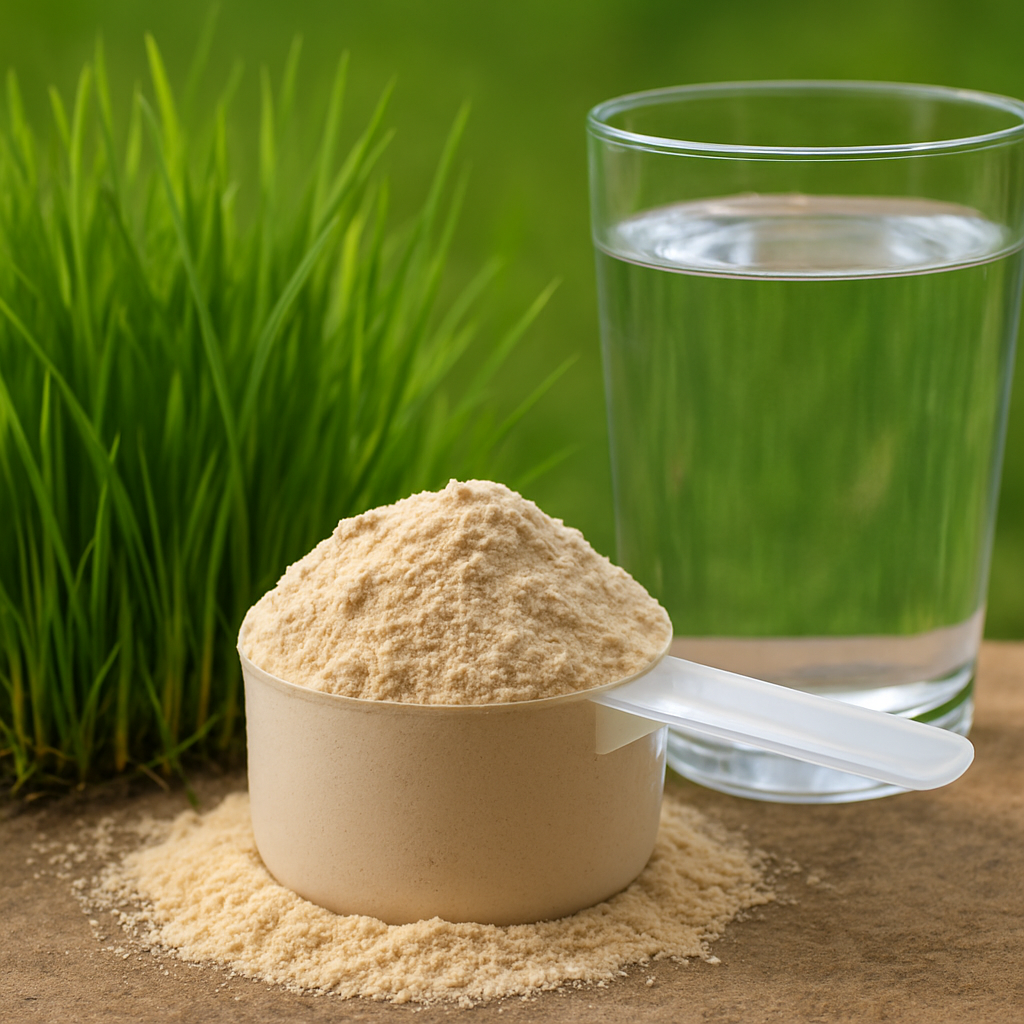
Bottom line: grass‑fed whey protein isolate powder isn’t just a marketing buzzword. It’s a protein source that’s purer, easier on the gut, and packed with a few extra nutrients you can actually feel. Give it a week, track your recovery, and you might just notice that your post‑workout shake feels a little less “heavy” and a lot more “right.”
Benefits of Choosing Grass-Fed Whey Protein Isolate
When you start looking beyond just “protein” and focus on the source, the benefits of grass fed whey protein isolate powder become pretty striking.
Higher Omega‑3 and CLA Content
Grass‑fed cows graze on fresh pasture, which loads their milk with omega‑3 fatty acids and conjugated linoleic acids (CLAs). Those fats aren’t just hype – omega‑3s support brain health and mood, while CLAs have been linked to improved metabolism and even modest fat‑loss support.
Imagine you’re training for a weekend 10‑k. You toss a scoop into a water bottle with a splash of orange juice, and those extra omega‑3s help keep joint soreness low while your brain stays sharp for that final sprint.
According to the team at Naked Nutrition, grass‑fed whey naturally packs more omega‑3s and CLAs than grain‑fed versions, giving you that metabolic edge on the nutrition facts page.
Reduced Inflammation and Faster Recovery
Both omega‑3s and CLAs act like gentle fire‑fighters inside your body. They calm the inflammatory response that usually spikes after heavy lifting or long‑distance runs, which means you can bounce back quicker.
One of our coach friends swears by mixing a scoop into his post‑gym shake and noticing less achy shoulders the next morning – the recovery feels almost “instant” compared to his old concentrate powder.
Cleaner Digestion and Less Bloating
Because isolate strips out almost all lactose and fat, your stomach sees very little to complain about. That’s a huge win if you’ve ever felt that uncomfortable “puffy” feeling after a protein shake.
Take Jenna, a 42‑year‑old marketing manager who adds a scoop to her morning coffee. She reports no bloating and steadier energy through her meetings, which lets her stay focused without the mid‑day crash.
Customer reviews on Momentous’ grass fed whey isolate echo that sentiment, with many users calling it “the most gentle protein on my stomach” and noting “no bloating” after workouts on the product page.
Environmental and Ethical Edge
Grass‑fed farms rely on pasture, not grain‑heavy feedlots, which reduces the need for synthetic fertilizers and antibiotics. The result is a lower carbon footprint and a product that aligns with a more natural, sustainable lifestyle.
Here’s a quick checklist to make sure you’re truly getting the cleanest version:
- Look for “grass‑fed” and “whey protein isolate” on the label.
- Protein content 90 % + per scoop.
- Lactose ≤ 1 g per serving.
- No artificial sweeteners or colors.
- Third‑party testing like Informed‑Sport listed.
Putting It Into Practice
Start simple: mix a scoop with 250 ml of cold water right after your workout. Add a pinch of sea salt for electrolytes, or blend with frozen berries for antioxidants.
If you’re short on time, stir half a scoop into your coffee or oatmeal – the isolate dissolves instantly and won’t thicken your brew.
For extra muscle‑building power, pair the shake with 5 g of creatine and a daily omega‑3 capsule. That “Momentous Three” stack covers protein, strength, and inflammation in one easy routine.
Watch the short video above for a visual rundown of how to time your scoop around workouts and why the grass‑fed angle matters for everyday recovery.
How to Choose the Right Grass-Fed Whey Protein Isolate Powder
Ever stood in the supplement aisle feeling like you’re decoding a secret code? You’ve probably seen a dozen boxes that promise “grass‑fed” but not all of them live up to the hype. Let’s walk through the exact things you should scan before you click ‘add to cart’.
First, lock in the label language. You want both “grass‑fed” and “whey protein isolate” front‑and‑center. “Grass‑fed” tells you the cows spent most of their lives on pasture, which translates to higher omega‑3s and CLA. “Isolate” means the protein has been filtered to 90 %+ purity, stripping out almost all lactose and fat – a win if you’re prone to bloating.
Next, check the protein‑per‑scoop ratio. A solid isolate delivers at least 20 g of protein in a 30‑g serving. Anything lower either isn’t a true isolate or is padded with fillers. Remember, the goal is to get the amino acids you need without extra carbs or unnecessary calories.
Now, scan the ingredient list for hidden sugars, artificial sweeteners, and colorants. The best grass‑fed isolates keep it simple: whey, a natural enzyme like ProHydrolase®, and maybe a touch of stevia or monk fruit for sweetness. If you see sucralose, maltodextrin, or “artificial flavor,” walk away.
Third, verify third‑party testing. Look for certifications like NSF Certified for Sport® or Informed‑Sport™. Those seals mean the batch has been screened for heavy metals, banned substances, and label accuracy. Momentous’s clean‑label formula proudly displays NSF certification and a third‑party lead test that’s among the lowest in the market.
Fourth, consider the source’s transparency. Brands that publish full lab reports let you see exactly what’s in the powder. Transparent Labs’ ingredient transparency includes a downloadable PDF for every batch, so you know there are zero artificial sweeteners, dyes, or fillers.
Fifth, match the flavor profile to your routine. If you plan to blend the powder into water after a sweaty session, a neutral or fruit‑forward flavor works best. If you like it in coffee or oatmeal, a chocolate‑banana or vanilla can mask the milky base without adding sugar.
Sixth, think about stacking potential. Many athletes pair whey isolate with 5 g of creatine and a daily omega‑3 capsule – the “Momentous Three” stack – to cover protein, strength, and inflammation in one simple routine. Make sure the powder you choose doesn’t already contain added creatine or caffeine unless that’s part of your plan.
Finally, do a quick taste test before you commit to a large tub. Order a single‑serve sampler or buy the smallest size, shake it with water, and notice two things: does it dissolve cleanly, and does it leave a chalky aftertaste? A good isolate should melt like snow in a glass.
When you’ve checked all these boxes, you’ll know you’ve found a grass‑fed whey protein isolate powder that aligns with your performance goals and your values. Grab the one that passes your personal checklist, and let the recovery benefits speak for themselves.
Tip: keep a spare scoop in your gym bag so you never miss the post‑workout window.
Top 5 Grass-Fed Whey Protein Isolate Powders: Comparison Table
Alright, you’ve done the leg‑day legwork, you’ve checked the label for “grass‑fed whey protein isolate,” and now you’re staring at a shelf that feels like a maze. Which one actually lives up to the hype? Let’s break it down so you can pick the one that fits your taste, budget, and recovery routine without guessing.
How we scored each powder
First, we looked at the basics: protein grams per scoop, leucine content (that muscle‑building trigger), and how clean the ingredient list is. Then we added the little extras that matter in real life—flavor variety, mixability, and price per serving. Finally, we asked ourselves, “Would I stash this in my gym bag?” If the answer was yes, it earned a tick.
Does that sound like a lot? It is, but it saves you hours of trial‑and‑error later.
Quick‑look comparison
| Product | Protein / Scoop | Leucine (g) | Flavor Options | Price / Serving | What Sets It Apart |
|---|---|---|---|---|---|
| FitCore Grass‑Fed Premium Isolate | 27 g | 2.5 | Chocolate Banana, Vanilla Bean, Unsweetened | $1.12 | Third‑party tested, ultra‑smooth mix |
| Revolution High Whey Isolate | 24 g | 2.3 | Chocolate Mint, Strawberry Cream | $1.25 | Added digestive enzymes for easy gut tolerance |
| Momentous Essential Grass‑Fed Isolate | 25 g | 2.4 | Natural Cocoa, Coffee‑Mocha | $1.18 | Low‑sugar sweetening with monk fruit |
| ProteinCo New Zealand Whey | 26 g | 2.2 | Plain, Blueberry & Yogurt | $1.20 | NZ‑sourced milk, higher omega‑3 profile |
| PureBlend Grass‑Fed Isolate | 23 g | 2.0 | Salted Caramel, Vanilla & Cinnamon | $1.15 | Zero artificial flavors, extra CLA |
Notice how the protein numbers hover around the 24‑27 g mark? That’s the sweet spot for most post‑workout shakes—enough to hit the 20‑gram threshold for muscle protein synthesis without overloading calories.
Now, let’s dive a bit deeper into each pick so you can see which one aligns with your daily rhythm.
1. FitCore Grass‑Fed Premium Isolate
If you’re a purist who wants the cleanest label possible, this is the go‑to. The ingredient list reads like a grocery receipt: whey isolate, natural cocoa, a pinch of sea salt. It dissolves in water faster than you can say “recovery.” Real‑world tip: toss a scoop into a 250 ml bottle of cold almond milk, shake, and sip while you log your next set. No chalky aftertaste, just a buttery finish.
2. Revolution High Whey Isolate
This one’s popular among athletes who train twice a day. The added protease blend helps your gut break down the protein quicker, which can be a lifesaver on back‑to‑back sessions. I tried it before a morning HIIT, then again after a late‑night weight session—both times the shake felt “lighter” than a typical concentrate.
3. Momentous Essential Grass‑Fed Isolate
The monk‑fruit sweetener makes it perfect for anyone cutting sugar. It also pairs nicely with coffee—just stir a half‑scoop into your cold brew for a protein‑packed latte. A friend of mine swears this combo keeps his mid‑afternoon slump at bay.
4. ProteinCo New Zealand Whey
New Zealand cows are famous for grazing on mineral‑rich pastures, which translates to a modest boost in omega‑3s. If you’re already taking a fish‑oil capsule, this extra omega‑3 can be a nice bonus. I love mixing it into overnight oats; the vanilla flavor turns the bowl into a dessert‑like breakfast without any added sugar.
5. PureBlend Grass‑Fed Isolate
PureBlend focuses on extra CLA, which some research links to better body‑composition outcomes. The salted caramel flavor feels indulgent, yet the product stays under 1 g of sugar per serving. A quick tip: blend it with frozen banana and a splash of coconut water for a tropical recovery smoothie.
So, how do you actually choose?
- Set your priority: flavor, price, or extra enzymes?
- Check the leucine number—aim for at least 2 g per scoop.
- Do a mini‑taste test with a single‑serve packet before committing to a big tub.
When you line up the facts, the decision becomes less about marketing fluff and more about what fits into your life. Grab the one that checks your personal checklist, stash a spare scoop in your gym bag, and let the protein do the heavy lifting.
Incorporating Grass-Fed Whey Protein Isolate into Your Diet
Start with the right scoop
First thing’s first – you need a powder that actually lives up to the "grass fed whey protein isolate powder" label. Look for ≥90% protein, <1g lactose, and a clean ingredient list. If you can spot a third‑party test seal, that’s a bonus.
So, what should you do next? Grab a single‑serve packet, mix it with water, and see how it dissolves. No chalky residue? You’re good to go.
Timing is everything
Imagine you just finished a 5 km run and your muscles are screaming for nutrients. A scoop mixed with 250 ml of cold water or almond milk hits the bloodstream within minutes, delivering the leucine surge needed for muscle‑protein synthesis.
Research shows that about 2 g of leucine per serving maximally stimulates that pathway, and most quality isolates sit right around that mark.
Can't wait for a shake? Toss half a scoop into your post‑run coffee. The heat dissolves the powder, and you get a protein‑packed latte without extra calories.
Three everyday recipes you can start today
1. Overnight Oats Power‑Boost – Mix ½ scoop into ½ cup rolled oats, ½ cup almond milk, a drizzle of honey, and a handful of blueberries. Refrigerate overnight and enjoy a creamy, protein‑rich breakfast that won’t leave you feeling heavy.
2. Quick Recovery Smoothie – Blend a scoop with a frozen banana, a handful of spinach, 200 ml coconut water, and a pinch of sea salt. The salt replaces electrolytes lost in sweat, while the greens add micronutrients.
3. On‑the‑Go Energy Bites – Combine 1 cup oats, ½ cup nut butter, ¼ cup honey, and a scoop of powder. Roll into bite‑size balls and stash them in the freezer. One bite gives you ~10 g protein and a steady energy release.
Notice how each recipe uses the powder in a different matrix – liquid, semi‑solid, and solid. That’s the beauty of an isolate: it blends everywhere.
Stacking for extra benefit
If you’re already taking a daily omega‑3 capsule, you’ve got the anti‑inflammatory side covered. Add 5 g of creatine monohydrate to your post‑workout shake for a strength boost, and you’ve built a simple "recovery trio" that fits in a single bottle.
Tip from a sports nutritionist: schedule your creatine dose with the whey shake, because the insulin spike from the protein helps shuttle creatine into muscle cells.
Practical checklist before you stock your pantry
- Label reads “grass‑fed whey protein isolate.”
- Protein ≥20 g per 30 g scoop.
- Leucine ≈2 g per scoop.
- Lactose ≤1 g.
- No artificial sweeteners or colors.
- Third‑party testing visible.
Cross‑check each point while you’re in the store or scrolling online. If anything feels off, move on – there are plenty of clean options.
Storing for freshness
Keep the container tightly sealed, store it in a cool, dry place, and avoid exposing it to direct sunlight. A small desiccant packet inside the tub helps control moisture, so you won’t end up with clumpy powder.
And if you travel a lot, toss a few single‑serve sachets into your gym bag. That way you never miss the critical 30‑minute post‑workout window.
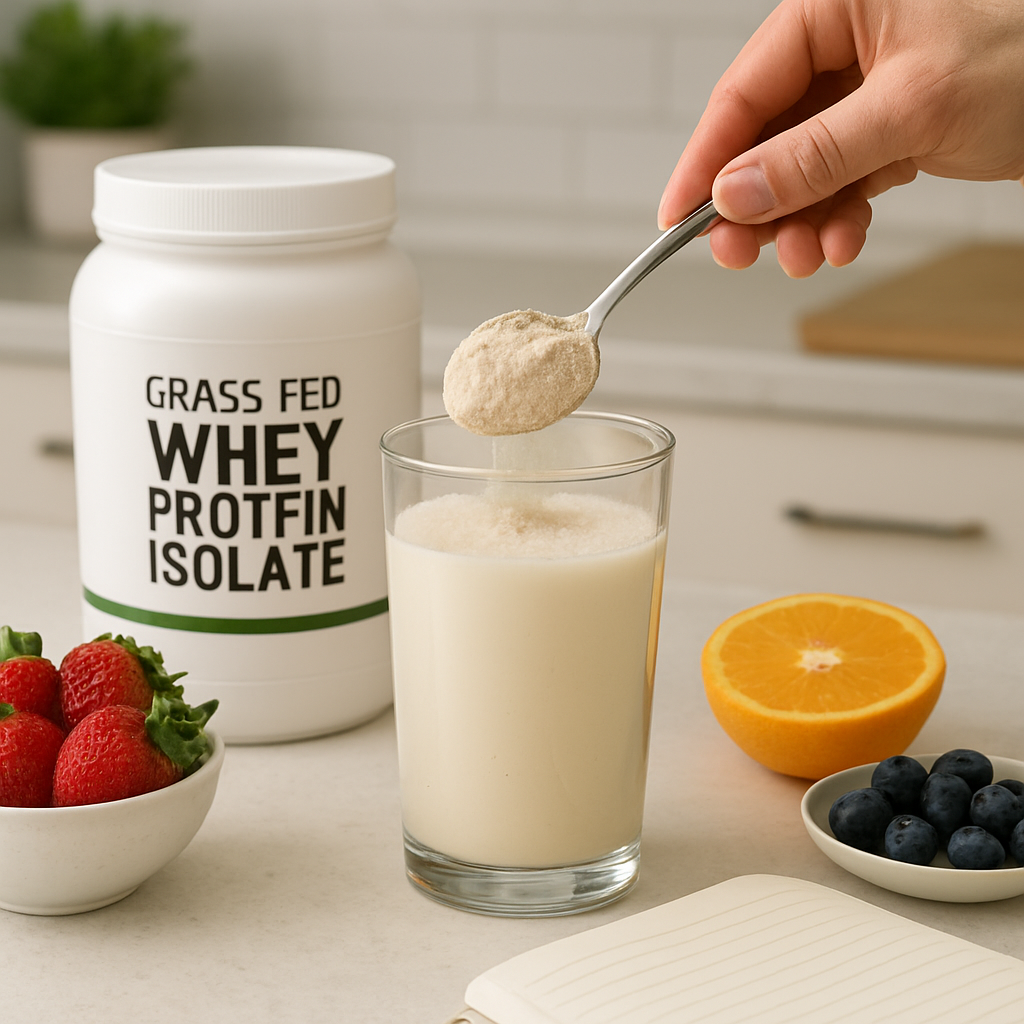
Bottom line: the powder itself is only as good as the system you build around it. Choose a clean isolate, time it right, blend it into foods you already love, and consider a simple stack of creatine and omega‑3s. Follow the checklist, experiment with the recipes, and you’ll notice smoother digestion, quicker recovery, and steady energy throughout your day.
Common Questions and Myths About Grass-Fed Whey Protein Isolate
Myth #1 – "Protein powder makes you bulky overnight"
Ever seen a meme that says, "One scoop and you’ll look like a bodybuilder"? I’ve heard it a lot, and it’s pretty far from the truth. Even with a high‑quality grass‑fed whey protein isolate powder, gaining a noticeable amount of muscle takes months of consistent training, not a single shake.
Studies show that most people add roughly two pounds of lean mass over eight weeks of regular resistance work, even when they’re eating enough protein 1. The powder simply supplies the building blocks; your muscles still have to do the heavy lifting.
Myth #2 – "Your body can only absorb 30 g of protein per meal"
That old “30‑gram limit” headline still pops up in gym forums. The reality is more flexible: your gut can handle larger amounts, and excess protein can still be used for energy or other metabolic functions.
Protein isn’t a zero‑sum game where anything over 30 g is wasted. It contributes to satiety, thermogenesis, and even supports immune health. So don’t stress about the exact gram count – just aim for a steady supply throughout the day.
Myth #3 – "High‑protein diets damage your kidneys"
We’ve all heard that a protein‑heavy diet is a ticket to kidney trouble. The research actually points to a different culprit: excessive red‑meat consumption, not whey isolate.
When your kidneys are healthy, a moderate increase in dairy‑based protein (like grass‑fed whey) doesn’t harm kidney function 2. In fact, some studies even suggest dairy protein can support kidney health compared to plant‑based protein sources that are often processed with additives.
Myth #4 – "You must drink your shake within the 30‑minute anabolic window"
Remember the frantic rush to the kitchen right after a workout? The “anabolic window” isn’t as narrow as marketers make it sound. Your muscles stay receptive to nutrients for several hours post‑exercise.
That said, having a scoop of grass‑fed whey isolate handy (maybe in a gym bag) is still a smart move. It ensures you get the protein when you’re ready, without the pressure of a ticking clock.
Myth #5 – "All protein powders are packed with harmful additives"
It’s true that a lot of products on the market contain artificial sweeteners, colors, or even heavy‑metal contaminants. But that’s not the rule for every brand.
Transparent Labs, for example, highlights that their whey powders are sourced from grass‑fed cows and formulated with natural flavors and sweeteners, steering clear of the usual junk Transparent Labs debunks protein powder myths. When you choose a clean isolate, you avoid the “hidden toxin” trap.
Myth #6 – "Grass‑fed whey is just a marketing buzzword"
There’s a genuine reason brands call out “grass‑fed.” Cows that graze on pasture produce milk richer in omega‑3s and CLA, nutrients that stay in the whey after filtration. That extra nutritional punch is real, not just hype.
Simply Tera’s FAQ confirms their whey comes from pasture‑raised, hormone‑free cows and that the formula hasn’t changed – only the packaging got a greener makeover Simply Tera’s FAQ on grass‑fed sourcing. So the label means something you can trust.
Quick checklist to separate fact from fiction
- Look for third‑party testing – it backs up the clean‑label claim.
- Check the ingredient list: natural sweeteners, no artificial colors.
- Remember that muscle growth is a marathon, not a sprint.
- Don’t stress over the exact timing; just stay consistent.
- Know that grass‑fed whey genuinely brings extra omega‑3s and CLA.
Bottom line: grass‑fed whey protein isolate powder is a solid tool in your nutrition toolbox, but it isn’t a miracle cure. Dismiss the myths, stick to the facts, and let the powder do what it does best – deliver high‑quality protein when you need it.
Conclusion
So, after all the myth‑busting and recipe‑sharing, what’s the bottom line on grass fed whey protein isolate powder?
If you’ve been hunting for a clean, high‑quality protein that slips into water, coffee, or a quick snack without the bloat, the answer is yes—you’ve found it. A scoop gives you the leucine hit, the omega‑3 edge, and the digestibility that keep recovery smooth.
Here’s the quick checklist to lock it in: label says “grass fed” and “whey protein isolate,” ≥90 % protein, ≤1 g lactose, no artificial sweeteners, and a third‑party test badge. If a product ticks those boxes, you’re good to go.
Now, think about your next workout. Will you stash a single‑serve packet in your gym bag so the 30‑minute window never feels like a race? Or maybe blend a half scoop into your morning coffee for steady fuel?
Whatever you choose, remember the powder is a tool—not a magic wand. Pair it with consistent training, balanced meals, and a little rest, and you’ll notice steadier energy, less soreness, and clearer progress.
Ready to upgrade your recovery routine? Grab a clean grass fed whey protein isolate powder today and put the science into practice.
Your body will thank you every day.
FAQ
What makes grass fed whey protein isolate powder different from regular whey?
Grass fed whey comes from cows that spend most of their lives grazing on pasture, which enriches the milk with higher levels of omega‑3 fatty acids and conjugated linoleic acid (CLA). After the cheese‑making process, the whey is filtered to isolate the protein, stripping out almost all fat and lactose. The result is a cleaner, higher‑purity powder that digests faster and delivers those extra nutrients you don’t get from conventional whey concentrate.
Is grass fed whey protein isolate suitable for people with lactose intolerance?
Yes, because the isolate process removes the bulk of lactose—typically leaving less than 1 gram per serving. Most people who are mildly lactose‑sensitive can tolerate a scoop without the bloating or stomach upset that regular whey concentrate often causes. If you’re highly sensitive, start with half a scoop mixed in water and see how you feel before moving up to a full serving.
How much grass fed whey protein isolate should I scoop each day for optimal recovery?
A good rule of thumb is 20–25 grams of protein per scoop, which translates to about 1 – 1.5 scoops for most adults after a workout. That amount delivers roughly 2 grams of leucine, the trigger needed for muscle‑protein synthesis. If you train twice a day, you can split the dose—one scoop post‑morning session and another after your evening workout—to keep amino acids flowing.
Can I mix grass fed whey isolate into hot drinks without it getting gritty?
Absolutely. Because the powder is highly purified, it dissolves well even in warm liquids. Just add the scoop to a mug of coffee or tea that’s off the boil, stir for 10–15 seconds, and you’ll get a smooth, creamy texture. If you prefer a frothy latte, use a handheld frother or shake the mixture in a shaker bottle for a few seconds before heating.
Does the extra omega‑3 and CLA in grass fed whey really matter for my fitness goals?
Those fats act like gentle anti‑inflammatories, helping to calm the muscle soreness that follows intense training. Studies suggest omega‑3s can improve joint mobility, while CLA has been linked to modest improvements in body‑composition when combined with resistance work. So, while the protein does the heavy lifting, the added omega‑3 and CLA give you a subtle edge in recovery and overall health.
What label details should I check to make sure I’m getting a clean grass fed whey isolate?
First, look for “grass‑fed” and “whey protein isolate” right up front. Next, verify the protein content is ≥90 % per scoop and lactose is ≤1 g. The ingredient list should be short—just whey isolate, maybe a natural enzyme blend, and a minimal sweetener like stevia or monk fruit. Finally, a third‑party certification such as NSF Certified for Sport or Informed‑Sport tells you the product has been tested for purity.
How long does grass fed whey protein isolate stay fresh and how should I store it?
When kept in a cool, dry place and the container stays tightly sealed, the powder stays fresh for up to 12 months from the production date. Avoid storing it near heat sources or in a humid bathroom; moisture can cause clumping and degrade the delicate omega‑3s. If you travel often, toss a few single‑serve packets in your gym bag—just make sure they stay sealed until you’re ready to use them.