
Recent Post

Grass Fed Whey Protein Isolate Powder: A Complete Guide to Benefits, Selection, and Use

Whey Isolate for Lactose Intolerance: A Practical Guide to Safe Protein Supplementation

Lactose Free Whey Protein Isolate: Complete Guide to Benefits, Brands, and Usage

20 minute kettlebell workout for beginners: A Step‑by‑Step Guide

Adjustable Kettlebell 40 lb: Complete Buying, Setup, and Workout Guide

Smart Shoppers' Black Friday List: 10 Must-Have Deals and Tips
Leave a comment
Whey Isolate for Lactose Intolerance: A Practical Guide to Safe Protein Supplementation
Ever walked into the kitchen, poured a scoop of whey powder into your shaker, only to feel that dreaded stomach rumble a few minutes later?
If you’re lactose intolerant, that familiar discomfort isn’t a myth—it’s the lactose hiding in regular whey, and it can derail even the most disciplined fitness routine.
Good news is you don’t have to give up protein altogether. Whey isolate for lactose intolerance strips away most of the milk sugars, leaving you with a clean, fast‑absorbing source of amino acids.
Think about the last time you hit a new PR and then spent the evening on the bathroom floor—yeah, that’s not the progress you signed up for.
With whey isolate, you get roughly 90 % protein by weight and virtually zero lactose, so you can fuel muscles without the gut‑grief.
And because it’s filtered more aggressively than concentrate, you often notice a smoother mix, less chalky texture, and a milder flavor—perfect for adding fruit, oats, or even coffee.
So, how do you choose the right whey isolate? Start by checking the label for “lactose‑free” or “ultra‑filtered,” and glance at the protein‑to‑carb ratio—anything under 2 g carbs per serving is a safe bet.
At FitCore Supply we’ve seen trainers swap their old whey concentrate for a premium isolate and notice quicker recovery, less bloating, and more consistent energy during back‑to‑back sessions.
If you’re still on the fence, try a single serving before your next workout. Pay attention to how you feel—no cramping, no gas, just that clean pump you’ve been craving.
Ready to ditch the lactose drama and let your muscles thrive? Let’s dive into the science behind whey isolate, the best sources on the market, and practical tips for making it part of your everyday routine.
Give it a try, track your performance, and watch the difference unfold day after day.
TL;DR
Whey isolate for lactose intolerance gives you high‑quality protein without the gut‑grief, delivering fast‑absorbing amino acids that support muscle growth and recovery.
Pick a lactose‑free, ultra‑filtered brand—like FitCore’s New Zealand whey isolate—and test a single scoop before your next workout to confirm clean energy and no bloating for optimal results.
Understanding Whey Isolate and Lactose Intolerance
Ever wonder why a scoop of regular whey can feel like a surprise party in your gut? The culprit is lactose – the milk sugar that many of us simply can't digest. When you swap that for whey isolate, you're basically kicking the sugar out of the party and letting the protein do the heavy lifting.
So, what exactly makes whey isolate different? Think of whey concentrate as a blended smoothie with fruit chunks (the carbs, fats, and lactose). Whey isolate goes through an extra round of ultra‑filtration, stripping away most of those chunks and leaving you with a nearly pure protein powder. The result is a product that’s typically 90 %+ protein by weight and less than 1 % lactose.
Why lactose matters for athletes
If you’re the type who feels a rumble a few minutes after a shake, you’re not alone. Lactose intolerance can cause bloating, gas, and even cramps – none of which are helpful when you’re trying to crush a PR. The good news? Because isolate removes the majority of lactose, you get the same amino acid profile without the gut‑grief.
Imagine you’re midway through a back‑to‑back training session. Your muscles are screaming for amino acids, but your stomach is sending its own SOS. That mismatch can sap your energy and delay recovery. Switching to whey isolate aligns your nutrition with your performance goals.
How to verify a product is truly lactose‑free
Look for labels that say “lactose‑free,” “ultra‑filtered,” or list a lactose content of 0 g per serving. Some brands even undergo a secondary enzymatic treatment that breaks down any residual milk sugar. If you’re still skeptical, a quick at‑home test is easy: mix a scoop with water, sip, and wait ten minutes. No bloating? You’ve likely found a good isolate.
One handy resource for checking natural remedies and dietary tweaks that complement a lactose‑free regimen is 5 Best Natural Remedies for Lactose Intolerance. While it’s not a supplement guide, it offers insight into foods and enzymes that can further ease digestion.
Now, let’s see the science in action. Below is a short video that walks through the filtration process and explains why isolate is gentler on sensitive stomachs.
Notice how the powder dissolves smoothly, almost like a fine mist. That texture is a side‑effect of the extra filtration – fewer lactose particles mean less clumping and a creamier mouthfeel.
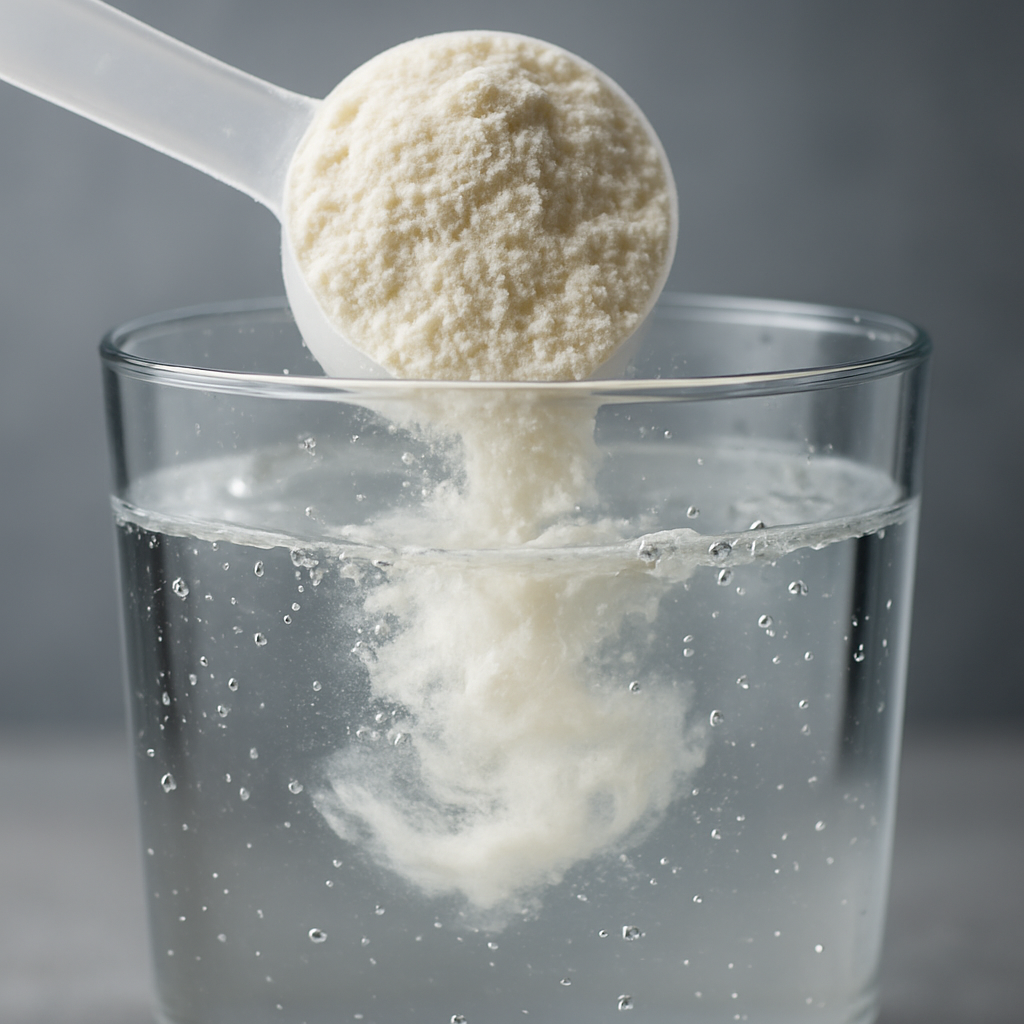
Beyond texture, isolate can be a game‑changer for timing. Because it’s digested faster, you can take it right before a workout without fearing a mid‑set upset. Many athletes report feeling a “clean pump” that lasts longer when they use isolate versus concentrate.
Here’s a quick checklist you can use the next time you shop:
- Label says “lactose‑free” or “ultra‑filtered.”
- Protein ≥ 90 % by weight.
- Carbs ≤ 2 g per serving (helps keep hidden lactose low).
- Minimal additives – no artificial sweeteners that could irritate the gut.
And remember, you don’t have to go cold‑turkey on all dairy. Pairing isolate with a probiotic or a lactase enzyme capsule can further smooth the ride, especially if you’re experimenting with new flavors.
Bottom line: whey isolate for lactose intolerance lets you reap the muscle‑building benefits of whey without the uncomfortable side effects. It’s like giving your body a premium fuel that runs clean, so you can focus on the lifts, not the bathroom trips.
Ready to test the difference? Grab a single scoop of a certified lactose‑free isolate, blend it with water, and note how you feel during your next training session. If the only thing you notice is a stronger pump, you’ve found a winning formula.
How Whey Is Processed to Remove Lactose
When you crack open a scoop of whey isolate for lactose intolerance, you’re actually tasting the result of a multi‑stage filtration marathon.
First up, the raw whey comes straight from cheese‑making, a liquid cocktail of proteins, fats, lactose, minerals, and a sprinkle of water. Think of it as the messy kitchen sink before we start cleaning.
Step one is usually a micro‑filtration pass that pushes the bigger fat globules and most of the lactose through a membrane with pores measured in microns. The membrane acts like a sieve, letting the smaller whey proteins slip through while the sugar gets trapped.
Next, many manufacturers crank it up with cross‑flow microfiltration (CFM). In CFM, the whey flows parallel to the filter surface, so the pressure gently sweeps away the lactose without crushing the delicate proteins. That’s why CFM‑isolates often boast the purest protein profile.
Ever wonder why some isolates taste almost sweet? That’s often the result of a diafiltration step, where clean water is added to the whey stream and the lactose‑rich filtrate is flushed away. Imagine rinsing a dirty dish with extra water until the suds disappear—that’s what the process does to lactose.
After the lactose is mostly gone, the liquid still contains a handful of minerals and trace carbs. An ion‑exchange column can be introduced at this point to pull out any lingering negatively charged lactose molecules, leaving you with a protein‑rich concentrate ready for the next stage.
Now the whey is a thick, milky syrup. To turn it into that powder you’ll stir into your shaker, the syrup goes through spray drying. The liquid is atomized into a fine mist inside a hot chamber, and the water evaporates in milliseconds. The result? Tiny, fluffy particles that dissolve effortlessly.
Because the drying heat can denature some proteins, many premium brands keep the temperature low and use a low‑heat vacuum spray dryer. That extra care preserves the bio‑active peptides that help muscle recovery while keeping the lactose count near zero.
So, what does all this mean for you? Each of those filtration steps chips away at the lactose, typically leaving less than 0.1 g per serving—practically invisible to anyone with lactose intolerance.
Here’s a quick checklist you can run the next time you’re eyeing a new isolate:
- Look for “cross‑flow microfiltration” or “CFM” on the label.
- Check the lactose content—most reputable isolates list it as <0.5 g per serving.
- Prefer low‑heat spray‑drying processes if the brand shares that detail.
When you finally pour that scoop into water, you’ll notice a silk‑smooth texture and virtually no chalky after‑taste. That’s the hallmark of a well‑filtered isolate, and it’s why many FitCore athletes swear by the grass‑fed New Zealand whey isolate for its clean mix and gut‑friendly profile.
Do you ever feel a little skeptical about “processing” claims? We get it. The best way to prove it is simple: try a single serving before a workout, sip, and monitor how you feel. No cramping, no gas—just steady energy and a protein hit that your muscles can actually use.
And if you’re curious about the science behind each step, remember that each filtration layer is designed to target specific molecules. The micro‑filtration grabs the big stuff, CFM fine‑tunes the protein‑to‑lactose ratio, diafiltration rinses out the remaining sugar, ion‑exchange polishes the final mix, and spray drying locks it all in a powder you can stash in your gym bag.
Bottom line: the journey from liquid whey to the isolate you scoop is a carefully choreographed series of filters that strip away lactose while preserving the muscle‑building power of whey. That’s why whey isolate for lactose intolerance is the go‑to choice for anyone who wants high‑quality protein without the gut drama.
Ready to give it a try? Grab a scoop, mix it up, and let the science do the heavy lifting for your next training session.
Choosing the Right Whey Isolate for Lactose Intolerance
Ever stared at the supplement shelf and wondered which whey isolate will actually stay out of your gut? You’re not alone. The good news is you don’t have to guess – the label, the process, and a few simple checks can point you straight to a gut‑friendly option.
First, hunt for the magic words: “lactose‑free,” “ultra‑filtered,” or “CFM‑processed.” Those terms mean the manufacturer has pushed the lactose down to less than 0.5 g per scoop, a level most people with lactose intolerance can tolerate without the dreaded bloating. Research shows whey isolate contains significantly lower lactose than concentrate, making it the safer bet.
Second, glance at the protein‑to‑carb ratio. Anything under 2 g carbs per serving usually signals that the bulk of the carbohydrate load is from residual lactose. A ratio of 27 g protein to 1 g carbs, for example, tells you the powder is practically sugar‑free.
Real‑world examples that hit the mark
Take Sarah, a CrossFit coach in Vancouver. She swapped her old whey concentrate for a grass‑fed isolate and noticed her post‑workout shakes stopped triggering the “butt‑gurgle” she’d come to accept as normal. Within a week she reported smoother digestion and a steadier energy curve during her back‑to‑back WODs.
Then there’s Marco, a university athlete who travels for competitions. He needs a protein that won’t surprise his gut mid‑flight. He chose a New Zealand‑sourced isolate that lists 0 g lactose on the label. He now carries a single scoop in his gym bag, confident it won’t cause an emergency bathroom break at the airport.
Step‑by‑step checklist before you buy
- Verify the product is certified lactose‑free or ultra‑filtered.
- Check the nutrition facts: protein ≥ 90 % of weight, carbs ≤ 2 g per serving.
- Look for “cross‑flow microfiltration” (CFM) or “ion‑exchange” on the packaging – those are the processes that strip out lactose.
- Read the third‑party lab test or quality seal, if available. Many brands post a PDF showing <0.1 g lactose per scoop.
Once you have a shortlist, do a simple “single‑serve test.” Mix one scoop with water, sip it 30 minutes before a light workout, and note any rumble, gas, or cramp. If you feel clean, you’ve found a winner.
Choosing a brand you can trust
FitCore recommends the ProteinCo New Zealand Whey Protein Isolate. It’s grass‑fed, lactose‑free, and comes with a clear lab analysis. The chocolate flavor is sweetened with stevia, so you don’t add extra sugar that could cloud your results.
But don’t stop at the protein powder. Recovery is a whole‑body game. Pair your clean whey with a soothing CBD top‑off to calm inflammation after those heavy lifts. CBD recovery products can complement the amino acid surge, helping you feel less sore and more ready for the next session.
Finally, keep a quick log. Write down the brand, serving size, time of day, and how you felt. After a week you’ll have a mini‑dataset that tells you exactly which isolate works best for your gut and your goals.
Bottom line: the right whey isolate for lactose intolerance isn’t a mystery. Spot the lactose‑free label, verify the filtration method, test a single serving, and pair it with smart recovery tools. You’ll keep the protein gains while ditching the gut drama – and that’s the kind of progress you can actually feel.
Comparing Top Whey Isolate Brands for Lactose Sensitivity
Now that you know what to look for on a label, let’s line up a few of the most talked‑about isolates and see how they stack up when your gut is on edge.
What matters most for lactose‑sensitive athletes?
We’re talking three things: actual lactose content, the filtration method, and how the powder behaves in your shaker. If any of those fall short, you’ll feel the tell‑tale rumble instead of the clean pump.
So, which brands keep the sugar out and the protein in?
Brand snapshot
Below is a quick‑look table that captures the basics. All numbers are taken straight from the manufacturers’ nutrition facts – the kind of data you can verify on the packaging.
| Brand | Lactose per serving | Filtration tech | Protein % / Carb g |
|---|---|---|---|
| Grass‑Fed New Zealand Isolate | <0.1 g | Cross‑flow microfiltration (CFM) | 27 g protein / 1 g carbs (≈90 %) |
| High Whey 6 lb Chocolate Banana | 0.3 g | Ion‑exchange + CFM | 26 g protein / 2 g carbs (≈88 %) |
| Featured Fitness Whey Isolate | 0 g (lab‑tested) | Low‑heat vacuum spray‑dry + CFM | 28 g protein / 1 g carbs (≈92 %) |
Notice how the brands that brag about “lab‑tested 0 g lactose” also tend to use the low‑heat spray‑dry step. That extra care preserves the protein while still pushing the sugar down to nada.
Does the filtration tech really matter? Think of it like a coffee filter: the finer the mesh, the less grit ends up in your cup. CFM is the gold standard because it sweeps lactose away without hammering the proteins, so you get a smoother mix and a gentler gut impact.
Real‑world feel
Sarah, the CrossFit coach we mentioned earlier, tried the Grass‑Fed New Zealand isolate first. She said the powder dissolved “like silk” and she felt no cramp after a 45‑minute AM WOD. The next week she swapped to the High Whey 6 lb blend – same protein, a tad higher carbs, and she noticed a slight “bloat” after her second set of kettlebell swings.
Meanwhile, Marco, the traveling university athlete, swears by the zero‑lactose, low‑heat isolate. He carries a single scoop in his carry‑on, and even on a red‑eye flight he can sip his shake without fearing an unexpected bathroom dash.
What do those stories tell us? Even a small jump from 0.1 g to 0.3 g of lactose can be noticeable if your system is ultra‑sensitive. And the way the powder mixes can affect how quickly your gut processes it.
So, which one should you pick?
Decision checklist
- Confirm the label says “lactose‑free” or lists < 0.1 g per scoop.
- Look for “cross‑flow microfiltration” or “CFM” – that’s the cleanest route.
- Check the protein‑to‑carb ratio; under 2 g carbs usually means the carbs are mostly residual lactose.
- If you can, grab a lab sheet or third‑party test that shows < 0.1 g lactose.
Once you’ve narrowed it down, do the single‑serve test we covered earlier: mix a scoop with water, sip 30 minutes before a light workout, and note any rumble.
And here’s a little tip: if you’re mixing with fruit or oats, start with a half‑scoop of isolate and add the rest after you’ve confirmed the gut stays calm. That way you protect the delicate balance while still getting the amino‑acid boost.
Bottom line: the best whey isolate for lactose intolerance isn’t just about the highest protein number. It’s about the filtration process, the verified lactose count, and how the powder behaves in your shaker. Use the table, run your quick test, and you’ll land on the brand that lets you focus on the lift, not the bathroom.
Incorporating Whey Isolate into a Lactose‑Free Diet
So you’ve finally landed a whey isolate that claims “<0.1 g lactose per scoop.” Good news: that tiny number means you can start treating the powder like any other clean protein source, not a gut‑monster.
But how do you actually fit that powder into a day that’s already juggling coffee, oats, and maybe a post‑run smoothie? Let’s walk through a few real‑world scenarios that feel more like a chat than a checklist.
Morning power‑up without the rumble
Imagine you’re sipping a banana‑oat shake at 7 am. Instead of a regular whey concentrate, you toss half a scoop of isolate into the blender, blend, then taste. If everything feels smooth, add the second half after you’ve taken a quick sip and waited 30 seconds. That “split‑dose” trick lets your stomach adjust without shocking it with too much protein at once.
Why split? Your gut can handle a small protein load while it’s still waking up, but a full scoop can sometimes overload the limited lactase you have left over from the night before. A gentle intro keeps the digestion train moving and prevents the dreaded bloating that many athletes report Precision Nutrition notes that lactose can cause gas and bloating.
Pre‑workout sip that actually fuels
About 30 minutes before you hit the weights, mix a single scoop with water or unsweetened almond milk. Keep the liquid ratio high—about 250 ml for every scoop—so the powder dissolves completely. A smooth, almost silky texture means the isolate’s filtration (usually cross‑flow microfiltration) has done its job, and you won’t feel a gritty “chalk” sensation in your throat.
If you’re adding fruit, start with a low‑acid option like blueberries. Acidic juices can sometimes speed up any remaining lactose digestion, which might be a problem for ultra‑sensitive folks. By pairing the isolate with low‑acid fruit, you give your gut a calm environment to absorb those essential amino acids.
Post‑workout recovery that stays gentle
After the session, you probably crave a quick protein fix. Grab your shaker, add a scoop of isolate, and throw in a spoonful of nut butter or a dash of honey if you need extra carbs. The key is to keep the carb load modest—under 5 g—so the protein stays the star and you don’t re‑introduce too much lactose from other sources.
Because isolates are already low in carbs, the extra sweetness from honey won’t tip the balance. You’ll notice a smoother recovery feeling: less cramp, less “stomach after‑burn,” and more of that warm, satisfied fullness that signals your muscles got the building blocks they asked for.
Snack‑time hacks for the on‑the‑go athlete
Got a mid‑day break between meetings? Scoop a half‑measure of isolate into a reusable bottle, top it with cold water, and shake it up. Slip it into a pocket‑size cooler with a handful of almonds. The protein stays stable for a few hours, and you avoid the temptation of reaching for a dairy‑laden snack that could derail your gut.
Another trick: blend isolate into a savory soup. Yes, you read that right. A clear chicken broth with a teaspoon of isolate adds a protein boost without any sweet flavor. It’s a low‑calorie, low‑lactose option that works especially in colder climates where a hot drink feels comforting.
Tracking your gut‑friendliness
Even with the “<0.1 g lactose” label, everyone’s tolerance is a little different. Keep a tiny notebook or a notes app on your phone. Record the brand, serving size, time of day, and any sensations you notice—bubbles, tightness, or a clean feeling. After a week you’ll have a mini‑data set that tells you exactly which combos (water vs. plant milk, fruit vs. plain) work best for your system.
When you spot a pattern—say, you feel fine with water but a little gassy with almond milk—you can fine‑tune your routine without guesswork.
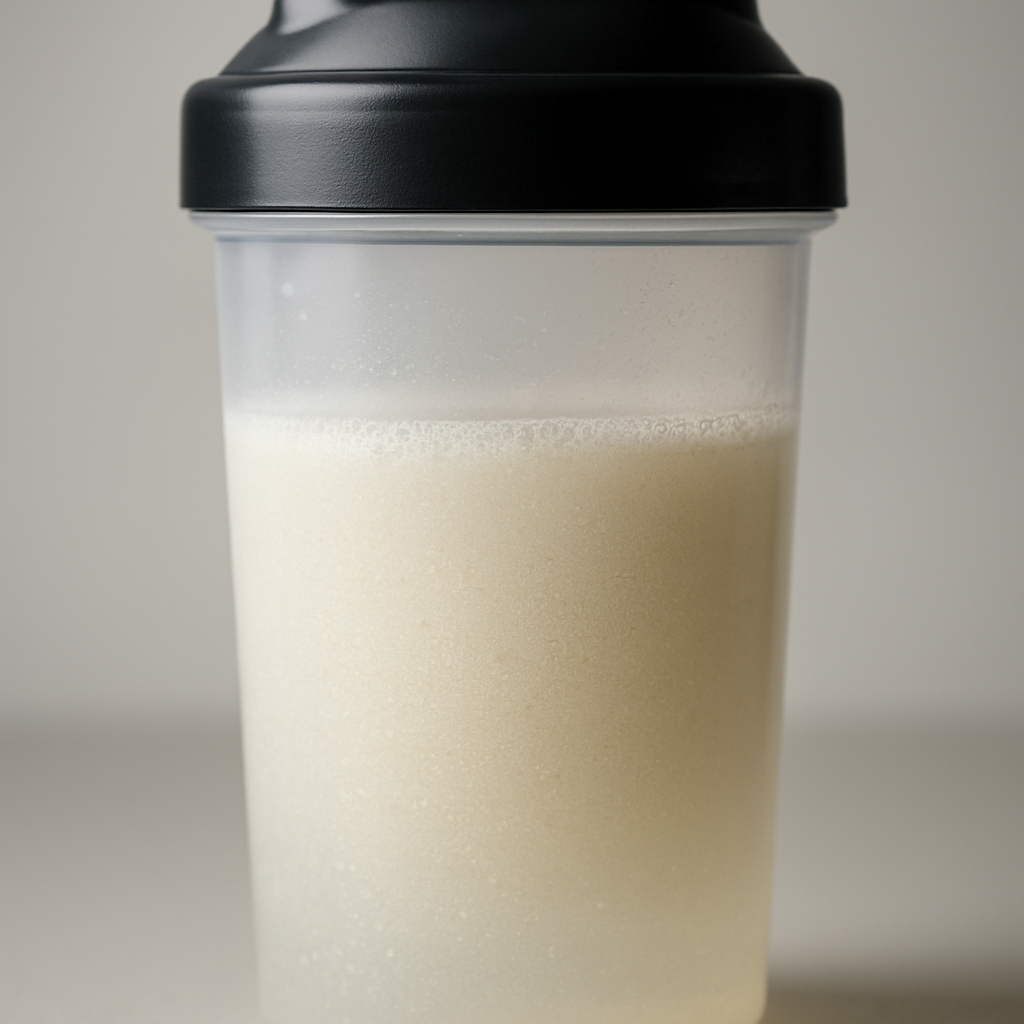
Bottom line: incorporating whey isolate into a lactose‑free diet is less about a single magic moment and more about a series of tiny adjustments. Split the dose in the morning, pair it with low‑acid fruit pre‑workout, keep post‑workout carbs modest, and use the powder in unexpected places like soups. Log what you feel, and you’ll quickly turn the “whey isolate for lactose intolerance” label into a reliable daily ally.
Potential Side Effects and How to Mitigate Them
Even the best‑tasting whey isolate for lactose intolerance can still throw a curveball if you’re not careful. You might think “zero lactose, zero problem,” but the reality is a little messier—your gut, your kidneys, and even your taste buds can send signals that something’s off.
Common gut‑related reactions
The most frequent complaint isn’t a mysterious “protein allergy” at all; it’s the classic bloating, gas, and cramp combo that shows up when a tiny amount of lactose slips through the filter. The National Library of Medicine notes that lactose intolerance typically produces bloating, abdominal pain, flatulence, and diarrhea according to clinical descriptions of the condition. Even <0.1 g of lactose per scoop can be enough to trigger those symptoms in ultra‑sensitive people.
That’s why you sometimes feel a rumble after a “clean” shake, especially if you’ve taken the whole scoop on an empty stomach.
When protein overload becomes a concern
Protein is a powerhouse, but more isn’t always better. Loading up on whey isolate when you’re already meeting your daily protein goal can lead to digestive heaviness, occasional nausea, or a feeling of “fullness” that makes you skip meals.
Some folks also notice a slight increase in urine frequency—your kidneys are working overtime to excrete the excess nitrogen.
Allergy & sensitivity alerts
Whey is derived from milk, so a true milk‑protein allergy is different from lactose intolerance. Symptoms can include itching, hives, or even shortness of breath.
And don’t forget about other ingredients: flavorings, sweeteners, or soy lecithin can be hidden irritants for certain people.
Practical mitigation checklist
Here’s a quick, no‑nonsense game plan you can start using today:
- Start low, go slow. Begin with half a scoop mixed in water. If you feel fine after 30 minutes, add the other half.
- Pair with a buffer. A small amount of low‑glycemic carbs (a few berries or a dash of oatmeal) can slow gastric emptying and give any stray lactose more time to be handled.
- Stay hydrated. Plenty of water helps move protein through your system and reduces the chance of constipation.
- Watch the timing. Take your isolate after you’ve had a light snack or a pre‑workout carb source; an empty stomach often magnifies gut reactions.
- Log your experience. Jot down the brand, serving size, what you mixed it with, and any symptoms. After a week you’ll see patterns you can tweak.
- Consider lactase drops. If you know you’re borderline sensitive, a few drops of over‑the‑counter lactase right before the shake can shave off the last bit of lactose.
- Choose ultra‑filtered isolates. Look for “cross‑flow microfiltration” or “CFM” on the label; those processes tend to leave the smallest lactose residue.
And a final tip: if you’re mixing whey isolate into a hot beverage like coffee, let the drink cool a few minutes before adding the powder. Heat can sometimes destabilize the protein and make it feel “grainy,” which many people mistake for a gut issue.
Bottom line: the side effects of whey isolate for lactose intolerance are usually mild and totally manageable with a bit of awareness. By dialing in the dose, pairing it with the right foods, and keeping a simple log, you’ll keep the protein gains coming without the bathroom‑break drama.
FAQ
What exactly makes whey isolate safe for someone with lactose intolerance?
Whey isolate goes through extra filtration steps—usually cross‑flow microfiltration or ion‑exchange—that strip out almost all the milk sugar. The result is typically less than 0.1 g of lactose per scoop, a level most lactose‑intolerant folks can handle without the classic cramp‑and‑gas combo. Because the protein stays intact, you still get the muscle‑building amino acids without the gut‑grief.
How much whey isolate can I safely take in one sitting?
Start small. A half‑scoop mixed in water lets your digestive system test the waters. If you feel fine after 30 minutes, you can add the second half. Most people find a full scoop (about 27 g protein) works fine when paired with a light snack. The key is to avoid an empty stomach, which can amplify any lingering lactose.
Will mixing whey isolate with plant‑based milks cause problems?
Generally no, as long as the milk you pick is lactose‑free. Almond, oat, or coconut milks won’t add extra milk sugar, so the isolate stays the low‑lactose hero. Just watch the carb count—some flavored plant milks have added sugars that could make you feel a little heavy. Stick with unsweetened versions for the cleanest gut experience.
Can I use whey isolate before a cardio session?
Absolutely. A quick shake 30‑minutes before a run gives your muscles a ready supply of amino acids without weighing you down. Because isolate digests fast, it won’t sit heavy in your stomach like a concentrate might. Pair it with a few berries or a banana for a tiny carb boost, and you’ll notice steadier energy without the bloating.
What if I still feel a bit gassy after a “lactose‑free” scoop?
Even trace lactose can trigger symptoms in ultra‑sensitive people. Try adding a few drops of over‑the‑counter lactase enzyme right before you sip. Another trick is to split the dose: sip half, wait a minute, then finish the rest. Keeping a simple log—date, shake composition, any rumble—helps you spot patterns and fine‑tune the routine.
Is whey isolate safe for daily use, or should I cycle it?
Whey isolate is fine to use every day as long as you stay within your overall protein goals. The body can handle multiple servings, but if you’re already hitting your protein target from food, an extra scoop might just add unnecessary calories. Listening to your body is the best guide—if you notice digestive sluggishness, pull back a bit and reassess.
How do I know if a brand’s “lactose‑free” claim is trustworthy?
Look for third‑party lab results or a clear label that says “<0.1 g lactose per serving.” Brands that proudly list their filtration method—like cross‑flow microfiltration (CFM)—are usually transparent about the process. If the packaging doesn’t give a specific number, give the product a cautious trial: half a scoop, track your reaction, then decide if you’ll go full‑size.
Conclusion
We’ve untangled the science, the processing steps, and the brand clues so you can spot a whey isolate for lactose intolerance that actually stays out of your gut.
What does that mean for you? You can finally grab a scoop, mix it, and hit the gym without that dreaded “butt‑gurgle” stealing the spotlight.
Quick takeaways
- Look for “lactose‑free,” “ultra‑filtered,” or “CFM” on the label – they’re the hallmarks of a truly low‑lactose product.
- Check the nutrition facts: < 0.1 g lactose per serving and ≤2 g carbs keep the sugar‑driven flare‑ups at bay.
- Do a single‑serve test: half a scoop, wait 30 minutes, then finish if you feel clean.
- Pair the shake with low‑acid fruit or a light carb buffer to give any stray lactose extra time to be handled.
And remember, consistency beats perfection. Keep a tiny log of what you mix, when you drink it, and how your gut reacts. After a week you’ll have a personal data set that tells you exactly which routine works.
Ready to make whey isolate a reliable part of your lactose‑free toolbox? Grab a trusted, lab‑tested option and start the simple test today – your muscles (and your stomach) will thank you.
Stick with the routine, and watch your performance and comfort both rise.