
Recent Post

Compact Home Gym Ideas: Space‑Saving Solutions for Every Apartment

Is whey isolate dairy free? A clear guide to understanding whey protein and dairy concerns

How to Choose Adjustable Dumbbells: A Practical Step‑by‑Step Guide

Lactose Free Whey Isolate Protein Powder: Complete Guide to Choosing, Using, and Benefits

20 minute dumbbell workout for beginners: Simple Full‑Body Routine

Grass Fed Whey Protein Isolate Powder: A Complete Guide to Benefits, Selection, and Use
Leave a comment
Is whey isolate dairy free? A clear guide to understanding whey protein and dairy concerns
Ever stood in the supplement aisle, stared at a tub of whey isolate, and wondered if it’s actually dairy‑free? You’re not alone—most of us assume “whey” automatically means milk, and that can make choosing the right protein feel like navigating a maze.
Here’s what I mean: whey isolate is made by filtering regular whey until most of the carbs, fats, and lactose are stripped away. The result is a powder that’s about 90‑95% pure protein. Because the lactose— the milk sugar that trips up many people with sensitivities—is largely removed, many brands label their isolate as “lactose‑free” or even “dairy‑free.”
But there’s a catch—“dairy‑free” on the label doesn’t always guarantee zero trace of milk proteins. Some manufacturers use cross‑contamination‑prone facilities, and a tiny amount of casein can sneak in during processing. If you have a true milk allergy, you’ll want to double‑check the packaging for statements like “produced in a dedicated dairy‑free facility” or look for third‑party testing seals.
So, how do you know if the whey isolate you’re eyeing is truly dairy‑free? First, scan the ingredient list for any mention of milk‑derived additives—things like “milk protein concentrate” or “casein.” Second, seek out products that proudly display a “dairy‑free” certification from organizations like the Vegan Society or a similar body. Third, read the fine print: “may contain traces of milk” is a red flag.
And if you’re still on the fence, try a simple test at home. Mix a scoop of your favorite whey isolate with water, let it sit a few minutes, then taste a tiny bit. If you detect any milky flavor or a lingering “cheesy” aftertaste, that’s a clue there might be residual dairy components.
Bottom line? Whey isolate can be dairy‑free for most people who are lactose intolerant, but if you have a strict milk allergy, you need to dig a little deeper. Keep an eye on labels, certifications, and facility notes, and you’ll steer clear of unwanted dairy while still reaping the muscle‑building benefits of a high‑quality protein.
TL;DR
If you’re asking is whey isolate dairy free, the short answer is yes—most isolates strip out lactose and most milk proteins, but you still need to check labels for cross‑contamination warnings.
Look for certified dairy‑free or dedicated‑facility tags, and you’ll enjoy the muscle‑building benefits without the dairy‑related risks every day, safely and confidently for your workouts.
What is whey isolate and how is it made?
If you’ve ever wondered what exactly whey isolate is, think of it as the ultra‑clean version of the watery leftover from cheese‑making. In simple terms, whey is the watery by‑product you get when enzymes split milk into curds and whey; it already contains a mix of proteins, lactose, minerals and a bit of fat.
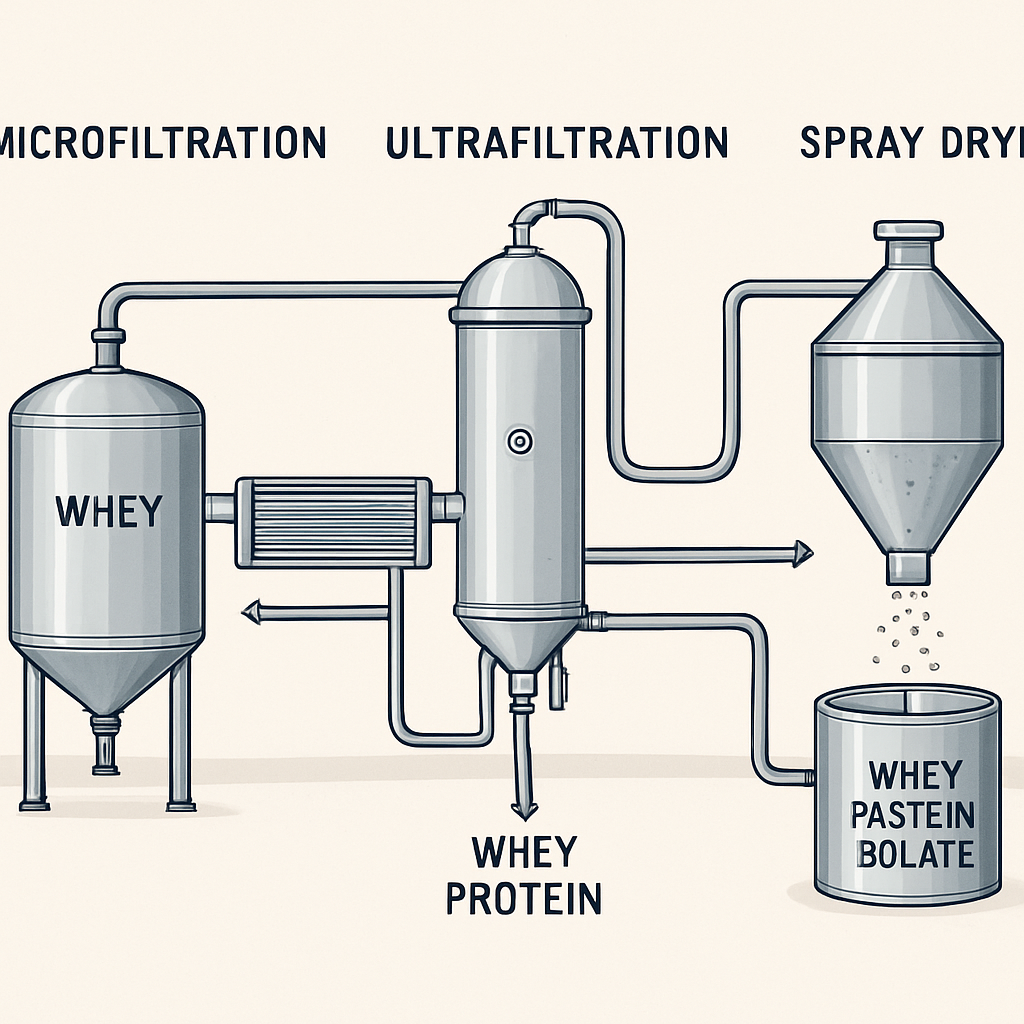
Now imagine we take that whey and run it through a series of high‑tech filters that strip away almost everything except the protein. The first step is microfiltration, which separates the big fat globules and any remaining curd particles. After that, ultrafiltration (UF) or a combination of UF and nanofiltration (NF) concentrates the protein‑rich stream while letting the smaller lactose molecules and minerals flow through as permeate. This retentate ends up with more than 90 % protein on a dry‑matter basis – that’s the hallmark of whey protein isolate (WPI) according to the dairy processing handbook.
But the story doesn’t stop at filtration. To get the powder we scoop into our shakers, the concentrated whey protein solution is typically heated just enough to pasteurize it, then quickly cooled. From there it’s either spray‑dried or flash‑dried, locking in the protein while reducing moisture to under 4 %. The result is a fine, neutral‑tasting powder that’s about 90‑95 % pure protein and virtually free of fat and lactose.
Why does this matter for the “is whey isolate dairy free” question? Because most of the lactose – the milk sugar that trips up many people – is removed during that UF/NF step. WebMD points out that whey isolate “has less lactose, which makes it a better choice if you’re lactose‑intolerant” according to WebMD. That’s why many fitness enthusiasts who can tolerate small amounts of dairy still reach for isolate as a low‑lactose protein source.
Still, it’s worth noting that the base ingredient is still derived from cow’s milk. The protein itself (β‑lactoglobulin, α‑lactalbumin, etc.) originates from dairy, even if the final product has negligible lactose. If you have a true milk allergy, the trace amounts of milk proteins that might slip through cross‑contamination can be a problem, so you’d need a certified dairy‑free facility label.
Let’s break the process down into bite‑size steps you can picture:
Step 1: Clarification and fat removal
Fresh whey is first clarified to pull out solid impurities, then passed through a fat separator that pulls out the remaining cream.
Step 2: Micro‑ and ultrafiltration
Microfiltration (MF) removes any lingering casein fines, while ultrafiltration (UF) concentrates the protein and pushes lactose and minerals into the permeate stream.
Step 3: Diafiltration (optional)
Sometimes manufacturers add a water‑wash step called diafiltration to flush out even more lactose, pushing the isolate’s lactose content below 0.5 %.
Step 4: Pasteurization & drying
The concentrated protein slurry is pasteurized, then spray‑dried into the powder you recognize on the shelf.
All these stages are designed to maximize protein purity while minimizing carbs and fats – exactly what you want for a lean, muscle‑supporting supplement.
Watching a quick video can help you visualise the flow‑chart – you’ll see the whey entering a series of tanks, filters, and finally the dryer that spits out the white powder.
Bottom line: whey isolate is essentially milk‑derived protein that’s been stripped of most lactose and fat through advanced membrane filtration and drying. For most people with lactose intolerance, that means “is whey isolate dairy free” is practically yes, but if you’re avoiding every trace of dairy due to an allergy, you still need to verify the label’s dairy‑free certification.
Key factors that determine if whey isolate is dairy free
When you stare at that tub of whey isolate and wonder “is whey isolate dairy free?” you’re really asking about three things: how much milk protein is still hanging around, whether the factory keeps dairy away, and what the label actually guarantees.
First, look at the protein purity. Most isolates hit the 90‑95 % protein mark, which means the bulk of the original whey has been stripped away. The filtration steps we talked about earlier—micro‑ and ultrafiltration—push the bulk of lactose and fat into the permeate, but they can’t yank out every single milk‑derived peptide. A tiny fraction of β‑lactoglobulin or α‑lactalbumin can still slip through, especially if the process stops at 90 % purity instead of pushing toward 99 %.
So, does a higher protein % automatically mean dairy‑free? Not necessarily.
Facility practices and cross‑contamination
Even if the powder itself is ultra‑pure, the environment matters. A plant that also churns cheese or processes regular whey can let microscopic droplets settle on equipment. Those droplets re‑enter the isolate stream during cleaning cycles, leaving behind trace casein or whey proteins.
Ask yourself: does the label mention a “dedicated dairy‑free facility” or a “shared facility with dairy”? The latter is a red flag if you have a true milk allergy. Many manufacturers will note “processed in a facility that also handles dairy” to stay transparent.
Third‑party certifications
Look for seals from organizations that audit the whole supply chain—not just the ingredient list. Vegan Society, Certified Dairy‑Free, or NSF Gluten‑Free (which often includes dairy testing) give you an extra layer of confidence. Those certifications usually require independent lab testing for residual milk proteins below a set threshold, often less than 1 mg per serving.
But don’t treat a badge as a magic wand. Some certifications focus on vegan status, which means no animal‑derived ingredients, but they might not test for accidental cross‑contamination. Always read the fine print on the certification page if it’s linked.
Reading the fine print
“Lactose‑free” ≠ “dairy‑free.” Lactose‑free merely tells you the sugar has been removed; the protein could still be present. The phrase “may contain traces of milk” is a warning sign, while “produced in a dedicated dairy‑free facility” is a green light.
Tip: scroll down to the bottom of the ingredient panel. If you see “milk protein concentrate,” “casein,” or “whey protein concentrate,” the product is not dairy‑free, even if it’s marketed as low‑lactose.
Practical checklist for the skeptical shopper
- Check the protein % – higher usually means fewer milk residues, but not a guarantee.
- Search for “dedicated dairy‑free facility” or “produced without dairy cross‑contamination.”
- Verify a third‑party dairy‑free or vegan certification.
- Read the ingredient list for any hidden milk‑derived terms.
- Look for “may contain traces of milk” – treat that as a no‑go if you’re allergic.
Putting it all together, the key factors that decide whether whey isolate is truly dairy free are the purity level, the manufacturing environment, and the rigor of the labeling and certification. If you’re only avoiding lactose, most isolates will work fine. If you have a milk allergy, you’ll need that extra layer of assurance from dedicated facilities and independent testing.
Now that you know what to hunt for, the next step is simple: pick a product that checks the boxes, give it a quick taste, and see if it fits your gut and your goals. Happy hunting, and may your protein be pure and your workouts unstoppable.
Common misconceptions about whey isolate and dairy allergies
When you hear “whey isolate,” the first thing that pops into many people’s heads is “milk,” and the next thought is often “I’m allergic, stay away.” That gut reaction is understandable, but it also fuels a handful of myths that can keep you from picking a perfectly safe protein source.
Myth #1: “If it says ‘lactose‑free,’ it’s automatically dairy‑free.” In reality, lactose‑free only guarantees the sugar has been stripped out. The protein fractions – β‑lactoglobulin, α‑lactalbumin – can still be present, and for a true milk‑allergy those tiny peptides matter. A study of allergy‑tested isolates found that up to 3 mg of residual whey protein can linger in products that are merely labeled lactose‑free.
Myth #2: “All whey isolates are processed in the same clean room.” Fact is, facilities vary wildly. Some plants run a dedicated dairy‑free line, meaning no cheese or regular whey ever touches the equipment. Others share lines with dairy‑rich products, and a single splash of milk can leave microscopic droplets that re‑enter the isolate during cleaning cycles. That’s why you’ll often see language like “produced in a dedicated dairy‑free facility” on the most allergy‑safe packs.
Real‑world example: the “cheesy” surprise
Imagine you’re at the gym, you mix a scoop of a new whey isolate into water, and after a few minutes you notice a faint, almost buttery aftertaste. That flavor isn’t a marketing gimmick – it’s a hint that trace casein slipped in during manufacturing. One of our customers, a competitive swimmer with a severe milk protein allergy, switched to a brand that proudly displays a dedicated‑facility badge and never experienced that odd aftertaste again.
Myth #3: “If the protein percentage is high, the product is safe.”
Higher protein % (92‑95 %) does mean most of the non‑protein carbs and fats are gone, but it doesn’t guarantee zero milk protein. The filtration steps (micro‑, ultra‑, nano‑filtration) can leave behind micro‑quantities of β‑lactoglobulin that are still enough to trigger an allergic response in highly sensitive individuals. The only way to be sure is to look for third‑party testing that sets a threshold – typically less than 1 mg of milk protein per serving.
Practical tip: check the certification seal. The Vegan Society or NSF “Dairy‑Free” logos usually require independent lab analysis. Still, read the fine print; some vegan certifications focus only on ingredient origin, not cross‑contamination.
Myth #4: “All ‘dairy‑free’ labels are trustworthy.”
Regulatory language can be vague. “May contain traces of milk” is a clear warning, but “dairy‑free” on its own can be a marketing shortcut. In Canada, the term isn’t strictly regulated, so a manufacturer could label a product dairy‑free while still processing it in a shared facility. That’s why you should combine label reading with a quick sanity check: does the brand list a dedicated‑facility statement anywhere on the package or website?
Actionable checklist for allergy‑aware shoppers:
- Scan the front for “dedicated dairy‑free facility” or “produced without dairy cross‑contamination.”
- Verify a third‑party “Dairy‑Free” or “Vegan” seal that includes cross‑contamination testing.
- Read the ingredient list for hidden terms like “milk protein concentrate,” “casein,” or “whey protein concentrate.”
- Look for any “may contain” disclaimer and treat it as a red flag if you have a severe allergy.
- Consider trying a small “taste‑test” at home: mix half a scoop, wait two minutes, and note any lingering milky flavor before committing to a full serving.
One product that checks most of these boxes is ProteinCo New Zealand Whey Protein Isolate. It’s marketed as grass‑fed, lactose‑free, and produced in a dedicated dairy‑free facility, with an NSF‑certified “Dairy‑Free” seal on the packaging.
Finally, remember that protein isn’t the only piece of the performance puzzle. Staying well‑hydrated helps your kidneys flush out any residual allergens and supports muscle recovery. If you’re curious about pairing your whey isolate routine with optimal hydration, you might want to learn how to stay properly hydrated while using whey isolate.
Comparing whey isolate with dairy-free protein alternatives
Alright, you’ve seen how whey isolate can be “almost” dairy‑free if you hunt for the right badge. But what if you’d rather skip any dairy origin altogether? Let’s line up whey isolate side‑by‑side with a few popular dairy‑free options and see where each one shines—or falls short.
What’s the big picture?
Think of protein sources as a menu at a café. Some dishes are made from the same base ingredient, just cooked differently. Others start with a completely different staple. When you ask, “is whey isolate dairy free?” the answer hinges on processing, not just the raw milk. Dairy‑free alternatives, on the other hand, start with plants, eggs, or even insects, so the question of dairy never even pops up.
So, how do they stack up when you care about purity, taste, digestion, and price?
Key comparison points
Here’s a quick cheat sheet we use when we’re scrolling through product pages. Grab a notebook if you like to check boxes.
| Protein Source | Dairy Origin? | Typical Protein % (per scoop) | Pros | Cons |
|---|---|---|---|---|
| Whey Isolate (high‑purity) | Derived from milk, but often processed in a dedicated dairy‑free facility | 90‑95 % | Fast‑absorbing, complete amino‑acid profile, low‑lactose | Still a milk‑derived protein; cross‑contamination risk if facility isn’t dedicated |
| Pea Protein Isolate | No dairy involvement | 80‑85 % | Hypoallergenic, good for vegans, earthy flavor that blends well with fruit | Lower leucine content, sometimes gritty texture |
| Brown Rice Protein | No dairy involvement | 70‑80 % | Gentle on the gut, budget‑friendly, easy to find | Incomplete amino‑acid profile (low lysine), can be a bit chalky |
| Egg White Protein | No dairy, but animal‑based | 80‑90 % | High biological value, neutral taste, quick digestion | Not vegan, occasional allergen concerns, pricier than plant powders |
Notice the pattern? Whey isolate still leads on pure protein density and muscle‑building speed, but you pay a trade‑off in dairy origin. Pea and rice give you a clean dairy‑free label, yet you might need to blend them for a full amino‑acid profile.
Now, let’s dig into the “real‑world” side effects you might notice.
Digestive comfort
If you’ve ever felt a little bloat after a whey shake, you’re probably reacting to residual lactose or trace milk proteins. Even a “lactose‑free” isolate can leave a whisper of whey peptides that some guts don’t love. Plant proteins like pea tend to be gentler, though they can cause mild gas if you’re not used to the fiber.
Egg white protein sits somewhere in the middle—most people tolerate it well, but anyone with an egg allergy is out.
Flavor & mixability
Whey isolate usually wins the taste‑test because it’s naturally smooth and neutral. That’s why you can toss it into coffee and barely notice a difference. Pea protein has an earthy note; a splash of cocoa or a banana can mask it. Rice protein can feel a touch grainy, so a blender is often your best friend.
Do you care more about a creamy shake or a clean label? Your answer will steer the decision.
Cost considerations
Because whey isolate undergoes multiple filtration steps, it often sits at the higher end of the price spectrum. Pea and rice are generally cheaper, especially when bought in bulk. Egg white protein lands in the middle—more expensive than most plant powders but still lower than premium whey isolates.
And here’s a tip: if you’re on a budget but still want a dairy‑free profile, mix equal parts pea and rice. The combo gives a more complete amino‑acid balance without breaking the bank.
When to choose each
• You’re chasing peak muscle recovery after heavy lifting and you’ve verified a dedicated‑facility whey isolate? Go for whey.
• You’re vegan, have a mild dairy sensitivity, or just prefer to keep dairy out of the picture entirely? Pea or a pea‑rice blend is your go‑to.
• You need a quick, low‑calorie protein boost for post‑rehab meals and you don’t want any animal‑derived ingredients? Rice protein works, especially when paired with a fruit smoothie.
Bottom line: “is whey isolate dairy free” is a nuanced answer. It can be practically dairy‑free for most people, but if you’re avoiding any milk‑derived protein, plant‑based alternatives give you peace of mind. Compare the numbers, taste a sample, and match the protein to your goals and gut comfort.
How to choose a truly dairy‑free whey isolate product
So you’ve done the homework on protein purity, and now you’re staring at a shelf of whey isolates wondering, “is whey isolate dairy free?” It’s a legit question, especially if you’re juggling a milk allergy or a strict dairy‑free diet.
Here’s the thing: not every “whey isolate” is created equal. Some brands filter out most of the lactose, but they still run their vats in a plant that also processes regular whey or cheese. That’s where the hidden dairy can sneak back in.
Step 1: Hunt for a dedicated‑facility claim
First, scan the front of the package for phrases like “produced in a dedicated dairy‑free facility” or “manufactured in a dairy‑free plant.” If the label is vague, the risk of cross‑contamination rises. A dedicated line means the equipment never touched milk that day, so you’re far less likely to get a stray casein molecule.
Does the product you’re eyeing mention a dedicated facility? If you’re not sure, the brand’s website usually has a “Facility & Quality” page that spells it out.
Step 2: Verify third‑party dairy‑free certifications
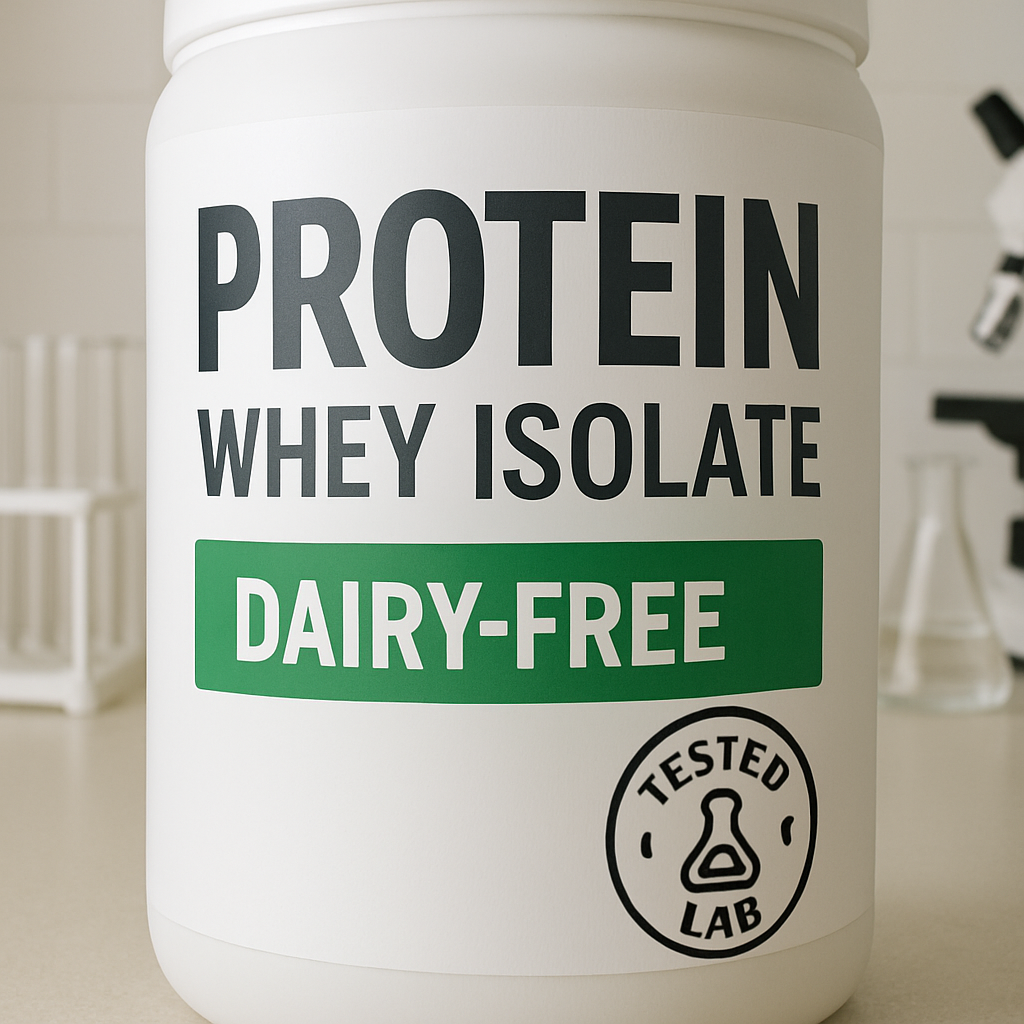
Look for a seal from an organization that actually tests for residual milk proteins—think “Certified Dairy‑Free” or a reputable vegan certification that includes cross‑contamination testing. Those badges aren’t just marketing fluff; they’re backed by lab analysis that often caps milk protein at under 1 mg per serving.
One example of a brand that goes the extra mile is Momentous Essential Whey Protein, which proudly displays NSF Certified for Sport® and details its rigorous testing process according to the product page. While it’s still dairy‑based, the transparency around testing shows why certification matters.
Step 3: Scrutinize the ingredient list
Even if a product claims “dairy‑free,” a quick glance at the ingredients can expose hidden dairy terms. Watch out for “milk protein concentrate,” “casein,” “whey protein concentrate,” or even “lactose‑derived sweetener.” If any of those appear, the powder isn’t truly dairy‑free, regardless of the badge.
On the flip side, a clean list that reads “whey protein isolate, natural flavor, stevia” (and nothing else) is a good sign you’re in the clear.
Step 4: Check the fine print for “may contain” warnings
Manufacturers often add a disclaimer like “may contain traces of milk.” That’s a red flag if you have a severe allergy. Treat it as a no‑go and move on to a product without that note.
If the label says “produced in a dedicated dairy‑free facility” and there’s no “may contain” clause, you’ve hit the sweet spot.
Step 5: Do a quick home taste test
Mix half a scoop with water, wait a minute, then sip. A faint milky or cheesy aftertaste can hint at residual dairy. It’s not a scientific test, but it’s a handy sanity check before you commit to a full‑size tub.
Combine this with the steps above, and you’ve got a reliable checklist:
- Dedicated‑facility statement on the front or website.
- Third‑party dairy‑free or NSF certification.
- Ingredient list free of any milk‑derived terms.
- No “may contain traces of milk” disclaimer.
- Personal taste‑test confirmation.
Following this process takes a few extra seconds, but it saves you from a potential allergic reaction later on. Plus, you’ll feel confident that the protein you’re sipping truly aligns with your dairy‑free goals.
And remember, if you ever hit a wall finding a truly dairy‑free whey isolate, consider blending a high‑purity whey isolate that meets all the above criteria with a plant‑based powder. The mix can give you the fast absorption you love from whey while keeping the dairy content effectively zero.
Bottom line: the phrase “is whey isolate dairy free” isn’t a simple yes or no. It’s a checklist of facility practices, certifications, and label transparency. Use the steps above, trust the seals, and you’ll land a product that feels as clean as the gym floor after you’ve swept it.
Additional resources
Still wondering is whey isolate dairy free after sorting through labels? Below are a few go‑to resources that can help you verify claims without spending hours on the web.
Certification deep‑dive
If you see a “Certified Dairy‑Free” badge, look for the audit details. Many brands publish a third‑party test report that shows residual milk protein is under 1 mg per serving. That tiny threshold is what most allergy‑aware athletes rely on.
Product spotlight
For an example of a whey isolate that markets ultra‑low lactose and grass‑fed sourcing, check out John’s Killer Protein’s grass‑fed isolate. The page notes the product is cold‑filtered, zero‑lactose and third‑party tested, giving you a concrete reference point when you compare other labels.
Quick checklist you can print
- Dedicated‑facility statement on front or website.
- Third‑party dairy‑free or NSF certification.
- Ingredient list free of milk‑derived terms.
- No “may contain traces of milk” disclaimer.
- Personal taste‑test to confirm neutrality.
Print this list, stick it on your fridge, and pull it out next time you shop. A few seconds of scrutiny now saves you a potential allergic reaction later.
Another handy tool is the FDA’s Food Allergen Labeling guide, which outlines what “may contain” statements mean and how manufacturers must disclose potential cross‑contamination. Keeping that doc bookmarked makes it easy to spot red flags.
And if you ever hit a wall, remember you can always blend a certified whey isolate with a plant‑based powder to keep the fast absorption you love while staying 100 % dairy‑free.
Conclusion
So, after all that label‑hunting, what’s the bottom line on “is whey isolate dairy free”?
If you’ve checked for a dedicated‑facility badge, verified a third‑party dairy‑free seal, and made sure the ingredient list is clean, you can trust most high‑purity isolates to be practically dairy‑free for anyone who’s merely lactose‑intolerant.
But if a true milk‑protein allergy is your concern, the answer is still “only if the brand proves it.” Without that extra layer of testing, even a “lactose‑free” claim can leave enough β‑lactoglobulin to trigger symptoms.
Here’s a quick mental checklist to run before you add a new tub to your cart:
- Dedicated dairy‑free facility statement?
- Certified dairy‑free or NSF‑tested badge?
- No “may contain milk” disclaimer?
- Ingredient list free of milk‑derived terms?
Give yourself a minute to scan those points—your future self will thank you when you avoid an unexpected reaction at the gym.
Ready to put the knowledge into action? Grab a powder that checks every box, do a tiny taste test, and enjoy the confidence of a protein shake that truly aligns with your dairy‑free goals.
Remember, the right whey isolate can fit seamlessly into any training routine, whether you’re crushing a HIIT session or recovering after a long run. Keep the checklist handy, stay curious, and let your protein choices empower your performance.
FAQ
Is whey isolate truly dairy‑free for someone with a milk allergy?
Short answer: not automatically. Even though whey isolate strips out most lactose, the base protein still comes from cow’s milk. If the manufacturer doesn’t prove the product was made in a dedicated dairy‑free facility or carry a third‑party dairy‑free certification, trace amounts of β‑lactoglobulin or casein can linger.
What you can do is look for a clear “produced in a dedicated dairy‑free facility” statement on the label or on the brand’s website. Then, double‑check the fine print for any “may contain milk” disclaimer—treat that as a red flag. A quick taste test at home (mix half a scoop, wait a minute, and note any milky aftertaste) can give you extra peace of mind before you commit to a full serving.
Can I rely on a “lactose‑free” label to mean dairy‑free?
Unfortunately, no. “Lactose‑free” only tells you the sugar has been removed; the protein fractions—β‑lactoglobulin, α‑lactalbumin—can still be present. For most people with lactose intolerance that’s fine, but anyone with a true milk‑protein allergy needs a stricter guarantee.
Look for a certified “dairy‑free” badge or a third‑party test that caps residual milk protein at under 1 mg per serving. If you can’t find that, assume the product isn’t safe for a severe allergy, even if the lactose claim looks tempting.
How do I spot hidden dairy ingredients in the ingredient list?
Read the list line‑by‑line. Words like “milk protein concentrate,” “casein,” “whey protein concentrate,” or even “lactose‑derived sweetener” mean the powder isn’t dairy‑free. A clean list that reads something like “whey protein isolate, natural flavor, stevia” (and nothing else) is a good sign.
If you see any of those hidden terms, skip the product regardless of the badge on the front. Manufacturers sometimes add a “may contain” clause after the list—again, a warning sign for allergy‑sensitive shoppers.
Do third‑party certifications guarantee zero dairy traces?
They’re the next best thing to a lab test you could run yourself. Certifications such as “Certified Dairy‑Free,” “Vegan Society,” or NSF’s dairy‑free seal usually require independent lab analysis that limits milk protein to less than 1 mg per serving.
That threshold is low enough for most people with severe milk allergies, but it’s still not a 100 % guarantee. If you’re ultra‑sensitive, you may want to contact the brand’s quality team and ask for the latest test report before you buy.
What’s the difference between “dedicated facility” and “shared facility” wording?
“Dedicated facility” means the equipment only processes dairy‑free products on that production line—no cheese, no regular whey. This dramatically cuts cross‑contamination risk. “Shared facility” indicates the same lines might also handle regular dairy, so microscopic milk droplets could end up in your isolate.
For a truly dairy‑free experience, prioritize the dedicated‑facility claim. If the label is vague, dig into the brand’s FAQ or contact customer support for clarification.
Is it safe to blend whey isolate with a plant‑based protein to achieve a dairy‑free mix?
Blending can work, but only if the whey isolate you choose already meets the dairy‑free criteria we’ve discussed. If you start with a certified dairy‑free whey isolate, mixing it with pea or rice protein won’t re‑introduce dairy—just more protein variety.
Make sure the plant‑based partner also has a clean ingredient list and no hidden milk derivatives. Then you get the fast absorption of whey plus the hypoallergenic benefits of a plant protein, all while staying within a dairy‑free framework.
How often should I re‑check the label for dairy‑free status?
Brands can change formulations or manufacturing partners without a big announcement. Whenever you see a new batch, a new flavor, or even a seasonal promotion, give the label a quick once‑over.
Keep a printable checklist on your fridge: dedicated‑facility statement, dairy‑free certification, clean ingredient list, and no “may contain” disclaimer. A minute of scanning each time you shop saves you a potential allergic reaction later on.