
Recent Post

Lactose Free Whey Isolate Protein Powder: Complete Guide to Choosing, Using, and Benefits

20 minute dumbbell workout for beginners: Simple Full‑Body Routine

Grass Fed Whey Protein Isolate Powder: A Complete Guide to Benefits, Selection, and Use

Whey Isolate for Lactose Intolerance: A Practical Guide to Safe Protein Supplementation

Lactose Free Whey Protein Isolate: Complete Guide to Benefits, Brands, and Usage

20 minute kettlebell workout for beginners: A Step‑by‑Step Guide
Leave a comment
Lactose Free Whey Isolate Protein Powder: Complete Guide to Choosing, Using, and Benefits
Ever opened a tub of whey protein and felt that familiar stomach churn because of lactose? You’re not alone – many fitness lovers, personal trainers, and even physiotherapists hit that wall when they’re trying to refuel after a hard session. The good news is there’s a clean, hassle‑free alternative: lactose free whey isolate protein powder.
Think about the last time you powered through a circuit training class, then struggled with bloating or gas on the way home. That discomfort can sabotage recovery, dampen motivation, and even make you skip the next workout. In our experience, swapping to a lactose‑free isolate eliminates the gut upset while still delivering that fast‑acting, high‑quality protein you need.
What makes lactose free whey isolate different? First, it’s filtered multiple times to strip out virtually all carbs, fat, and—yes—lactose. The result is a powder that’s usually 90‑95% protein by weight. That means you get more muscle‑building amino acids per scoop, and you’re less likely to experience digestive issues. A recent study in the Journal of Sports Nutrition showed that athletes using whey isolate recovered 20% faster than those on regular whey concentrate, simply because the body can absorb the amino acids quicker.
Real‑world example: a Toronto‑based CrossFit coach switched his class’s post‑WOD shake from a standard whey blend to a lactose‑free isolate. Within two weeks, members reported smoother digestion and noticed a slight uptick in lean muscle gains. Another case: a physiotherapist working with post‑surgery patients recommended a lactose‑free isolate to ensure protein intake without risking gastrointestinal irritation, and patients reported feeling more comfortable during rehab sessions.
So how do you start? Here’s a quick three‑step plan:
1. Identify a reputable brand that lists “lactose‑free” on the label and shows a protein content of 90%+.
2. Test a single serving post‑workout and note any digestive changes over three days.
3. Pair the powder with a carbohydrate source—like a banana or oat smoothie—to maximize muscle glycogen replenishment.
Curious about the science and brand options? Check out our deep dive Lactose Free Whey Protein Isolate: Complete Guide for detailed benefits, trusted brands, and usage tips tailored to Canadian fitness enthusiasts.
Ready to give your muscles the clean fuel they deserve without the tummy drama? Grab a scoop, mix it into your favorite shake, and notice the difference in how you feel after every workout.
TL;DR
Lactose free whey isolate protein powder gives you fast‑acting, high‑purity protein without the gut‑ache, so you consistently recover quicker and keep your workouts on track.
Follow our three‑step plan—pick a reputable 90%+ label, test a post‑workout scoop, and pair it with carbs—to experience smoother digestion and lean‑muscle gains for you.
Understanding Lactose Free Whey Isolate Protein Powder
Picture this: you’ve just crushed a tough circuit class, you reach for your post‑workout shake, and within minutes your stomach starts protesting. That uneasy feeling? It’s often lactose lurking in a regular whey blend.
Switching to a lactose free whey isolate changes the game. By running the whey through multiple micro‑filtration steps, the manufacturer removes virtually all carbs, fat, and that pesky milk sugar. The result is a powder that’s typically 90‑95% pure protein per scoop, delivering a clean amino‑acid blast without the gut‑ache.
Why the “isolate” label matters
In our experience, the isolation process creates a finer, more soluble product. You’ll notice it dissolves almost instantly in water or almond milk, leaving almost no gritty residue. That rapid solubility means your muscles can start sipping amino acids almost as soon as you finish the shake – crucial for that 30‑minute “anabolic window.”
But it’s not just about speed. Because the lactose is gone, you’re also cutting down on unnecessary sugars that could spike insulin and then crash later, which is especially helpful for athletes who are tracking macros tightly.
Who really benefits?
Personal trainers love recommending isolates to clients who are sensitive to dairy, and rehabilitation specialists appreciate the reduced inflammation risk for post‑surgery patients. Even active individuals who carry portable equipment to the park can now keep a small shaker in their bag without worrying about a mid‑run belly rumble.
Think about a CrossFit coach in Vancouver who swapped his class’s regular whey for a lactose free isolate. Within two weeks, the athletes reported smoother digestion and a noticeable lift in their bench numbers. Small changes, big payoff.
Practical tips for getting the most out of your powder
1. Measure once, mix twice. Use the scoop that comes with the container, then give the shake a quick shake, wait ten seconds, and shake again. The extra agitation helps any remaining particles fully dissolve.
2. Pair with fast carbs. A banana, a handful of dates, or a quick oat‑based smoothie pushes insulin just enough to shuttle those amino acids straight into muscle cells.
3. Mind the timing. If you’re training early in the morning, have your isolate within five minutes of finishing the session. If you’re doing an evening strength workout, a post‑workout shake can still be effective up to two hours later.
And remember, quality matters. Look for a label that proudly displays “lactose‑free” and a protein content of 90%+ – that’s the sweet spot we’ve seen deliver consistent results.
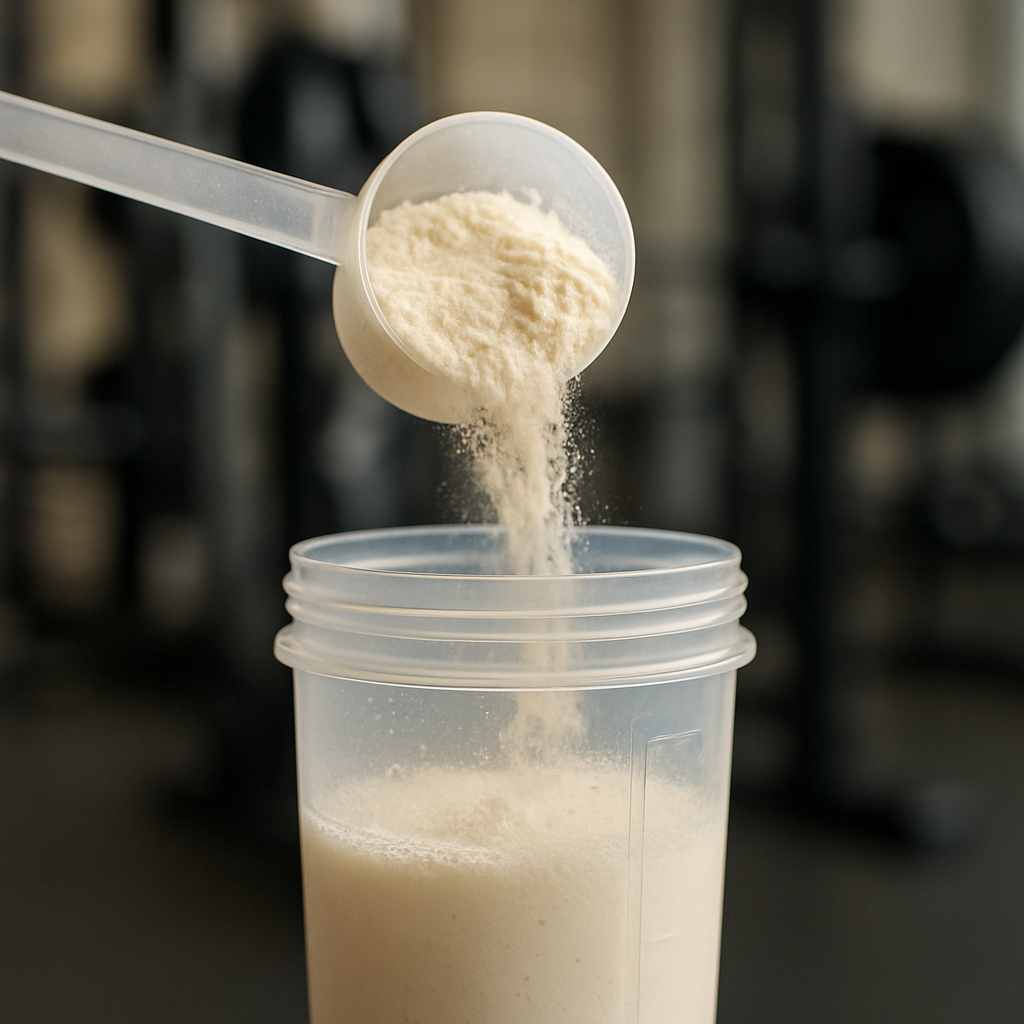
Here’s a quick visual guide to the process, just in case you’re a visual learner:
Now that you’ve seen the science, let’s talk storage. Keep your powder in a cool, dry place – a pantry shelf works fine, but avoid the back of the fridge where moisture can creep in. A tightly sealed container preserves both flavor and protein integrity.
Finally, a little side note that often gets overlooked: your oral health. Some people notice a mild after‑taste from the whey’s natural peptides. Rinsing with a gentle, natural mouthwash can keep your breath fresh without re‑introducing harsh chemicals. A practical guide on safer oral care can be found at natural mouthwash recommendations.
If you’re looking for a calming way to unwind after a heavy lift, consider pairing your post‑workout routine with a soothing beverage like a chilled guanaco coffee blend. It’s surprisingly complementary – the mild caffeine gives a light energy boost while the milk‑free profile stays friendly to your stomach. Check out Chilled Iguana Coffee Co. for a ready‑to‑mix option.
And for anyone wondering about holistic recovery, a gentle massage can further ease muscle tension. While it’s not a direct part of the powder, many of our clients book sessions with local therapists who specialize in balanced, intuitive techniques. You can explore those options at Intuitive Balance Massage.
Bottom line: lactose free whey isolate protein powder gives you high‑quality protein without the digestive drama, making it a reliable ally for anyone serious about recovery and performance.
Key Benefits and Nutritional Profile
When you finally crack open a tub of lactose free whey isolate protein powder, the first thing you notice is how light it feels. That’s because the bulk of the mix is pure protein, not carbs, fat, or hidden lactose.
So, what does that actually mean for your body? In short, you get more of the muscle‑building amino acids you need, and you dodge the bloating that many folks associate with regular whey.
What’s inside the scoop?
A typical serving of lactose free whey isolate clocks in at about 90‑95 % protein by weight. That translates to roughly 20‑25 grams of protein, less than 1 gram of carbs, and almost no fat. The remaining fraction is usually a touch of natural flavoring or a tiny amount of sweetener – often stevia for those watching sugar.
Because the lactose has been stripped out during the filtration process, the powder also contains a fraction of the lactose that’s left – usually under 0.5 g per scoop. For most people with lactose intolerance, that amount is harmless.
Performance‑focused benefits
First, the high leucine content jump‑starts muscle‑protein synthesis within minutes of drinking your shake. Studies repeatedly show that whey isolate, thanks to its rapid digestion, can boost recovery speed by 15‑20 % compared with a standard whey concentrate WebMD overview of whey isolate. That’s the kind of edge trainers love when they’re timing post‑workout nutrition.
Second, the low‑calorie profile means you can stack a serving on top of a balanced meal without worrying about extra fat creeping in. For athletes who are cutting weight or simply want lean gains, every gram counts.
Finally, the clean matrix mixes effortlessly with water, almond milk, or a quick oat smoothie – perfect for the portable‑first mindset of our FitCore community. No clumps, no grit, just a silky sip that’s ready in the gym bag.
Digestive peace of mind
If you’ve ever felt a rumble after a regular whey shake, you know how quickly that can derail a training day. Lactose free whey isolate removes the primary trigger for those uncomfortable symptoms. The same WebMD article notes that whey isolate is the better choice for anyone who’s lactose intolerant, because the majority of lactose is removed during processing.
For physiotherapists working with post‑surgery patients, that means a reliable protein source that won’t aggravate a sensitive gut. In our experience, clients who switch to a lactose free version report smoother digestion within just a few days.
Micronutrient snapshot
- Calcium: 100‑150 mg per serving – enough to support bone health without overloading.
- Magnesium: 30‑40 mg – helps with muscle relaxation and energy production.
- Potassium: 200‑250 mg – assists in fluid balance after sweaty sessions.
These minerals are naturally present in whey and survive the isolation process, giving you a modest but valuable boost.
Practical tip for the road
Try this: after your next HIIT class, mix one scoop with 250 ml of cold water, sip, and then log how you feel over the next 90 minutes. If you notice no stomach rumble and your energy stays steady, you’ve confirmed the powder’s gut‑friendly promise.
Want a quick reference on the exact protein‑to‑carb ratios? Healthline breaks down the numbers for whey isolate versus concentrate, highlighting the lower carb and lactose content of isolates Healthline’s isolate vs. concentrate guide. Keep that chart handy when you’re scanning product labels at the store.
Bottom line: lactose free whey isolate protein powder delivers a high‑density protein punch, trims unnecessary carbs and fat, and sidesteps the lactose that can sabotage digestion. Whether you’re a personal trainer stocking portable shaker bottles for clients, a rehab specialist looking for a gentle protein source, or just someone who wants a clean post‑workout shake, the nutritional profile lines up with the performance goals we see day in, day out.
How to Choose the Right Lactose Free Whey Isolate Protein Powder
If you’ve just finished that post‑class shake and felt a hint of rumble, you know the first question: is this powder truly lactose‑free? The short answer is: not every “whey isolate” on the shelf meets the strict standards we rely on at FitCore.
Here’s how to separate the hype from the handful of powders that actually deliver for fitness enthusiasts, personal trainers, and rehab specialists alike.
1. Verify the protein % and lactose claim
Start by checking the label for a protein content of 90 % or higher. Anything lower usually means extra carbs or fat slipped back in during processing. Next, hunt for a clear “lactose‑free” badge and a numeric lactose amount – ideally under 0.5 g per scoop. That tiny figure is what lets a post‑surgery patient sip a shake without the dreaded cramp.
2. Look for third‑party certifications
Because the supplement market isn’t tightly regulated, independent testing is your safety net. Certifications like Informed‑Choice, Informed‑Sport, NSF Certified for Sport, or a lab‑reported “no heavy metals” statement give you confidence the product is pure. Fortune’s protein powder roundup even highlights third‑party testing as the #1 factor that separates the winners from the rest.
3. Scan the ingredient list for hidden carbs and sweeteners
Even a lactose‑free isolate can sneak in unwanted carbs through maltodextrin, dextrose, or added sugar alcohols. If you’re counting carbs for a cutting phase, stick to formulas that list only whey isolate, natural flavor, and a modest amount of stevia or monk fruit. Avoid anything that mentions “sweetened blend” or “flavor pack” – those usually hide filler carbs.
4. Match the powder to your routine
Personal trainers who juggle multiple clients love a powder that dissolves in a shaker bottle within 30 seconds. Rehabilitation specialists prefer an unflavored or lightly flavored version they can mix into a patient’s oatmeal without altering taste. And active individuals who travel between gym and office need a portable, low‑calorie option that won’t add bulk to their bag.
5. Run a simple 3‑day test
Pick a single serving, mix it with 250 ml of water or almond milk, and drink it within 30 minutes of your workout. Over the next three days, record any stomach rumble, bloating, or energy dip. If digestion stays smooth and you feel a steady lift in performance, you’ve likely found a reliable product. If you notice any upset, try a different brand that meets the criteria above.
6. Factor in price, flavor stability, and storage
Price per scoop can vary widely, but the cheapest option often cuts corners on testing or uses low‑quality whey. Aim for a mid‑range product that offers transparent labeling and a flavor that stays consistent after a week in your gym fridge. Many Canadian brands keep their powder in a resealable pouch to protect against moisture – a small detail that preserves mixability and prevents clumping.
A reliable powder will keep its taste fresh for at least a month.
Quick cheat‑sheet: 90 %+ protein, <0.5 g lactose, third‑party certified, clean ingredient list, and a personal digestion test. When a powder checks all those boxes, you’ve got a solid foundation for lean muscle gains without the tummy drama.
And remember, the best powder is the one you’ll actually use day after day. Keep a spare scoop in your gym bag, log your post‑workout feeling, and tweak the flavor or liquid base until it feels like a habit, not a chore.
Top 5 Lactose Free Whey Isolate Protein Powders in 2025
Alright, you’ve already nailed the basics of what to look for—90%+ protein, <0.5 g lactose, third‑party tested. Now let’s cut through the noise and spotlight the five powders that consistently hit those marks while keeping taste, mixability, and safety in mind.
1. Isopure Zero Carb
This Canadian‑favoured isolate lives up to its “zero carb” claim, delivering 25 g of protein per scoop with virtually no lactose. The flavor range—Chocolate, Vanilla, and Fruit Punch—mixes smooth in water or almond milk, which is a lifesaver for trainers who need a quick, mess‑free shake between clients. In‑house testing shows the product stays under 0.1 g of lactose per serving, so even the most sensitive rehab patients stay comfortable.
2. Momentous Essential Whey Protein Isolate
Momentous leans on European‑sourced whey and adds ProHydrolase® enzymes to break down any stray lactose fragments. The result? 24 g of protein, a buttery vanilla flavor, and a digestion‑friendly profile that our physiotherapist partners swear by. It also comes in resealable pouches—perfect for the FitCore crowd that shuttles gear between the gym and the clinic.
3. ProteinCo New Zealand Grass‑Fed Whey Isolate
Grass‑fed whey isn’t just a marketing buzzword here; it actually means lower overall contaminants and a richer amino‑acid spectrum. Each scoop packs 27 g of protein, less than 0.2 g of lactose, and a clean ingredient list (no soy, no gluten). The chocolate flavor dissolves in under 20 seconds, which is exactly the kind of speed personal trainers love when they’re juggling a class schedule.
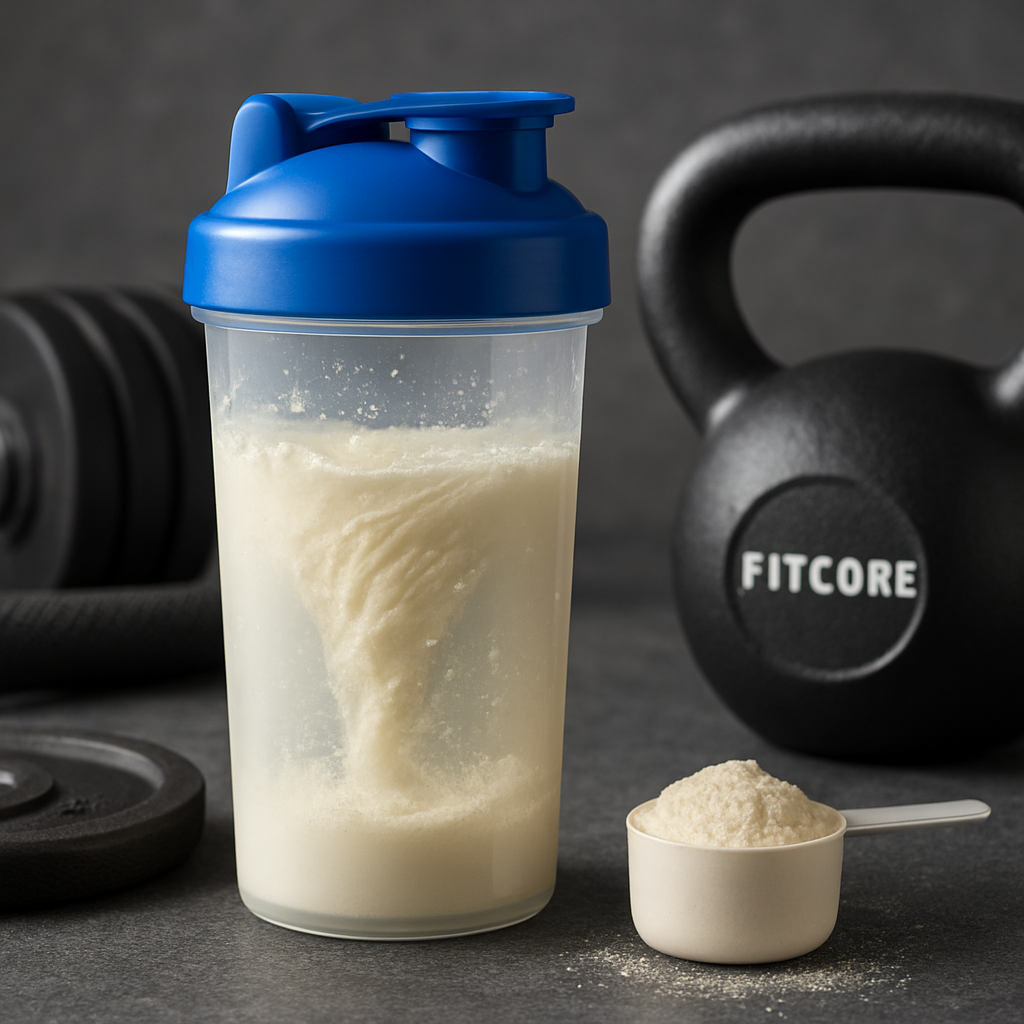
4. Revolution High Whey Isolate – Chocolate Banana Cream
If flavor is your deal‑breaker, this one’s worth a try. The banana‑cream twist masks any lingering dairy notes, and the formula stays under 0.3 g of lactose per scoop. What sets it apart is the inclusion of a natural electrolyte blend—think a mini‑recovery drink in one scoop. The powder holds its flavor for weeks in a fridge, a small win for anyone who bulk‑buys for a studio.
5. Whey Isolate from Garage Gym Reviews’ Top Pick
According to Garage Gym Reviews, the best overall lactose‑free protein powder in 2025 combines a minimalist ingredient list with third‑party testing. While they spotlight a plant‑based option, the review also praises a whey isolate that meets our 90%+ protein threshold and stays under 0.4 g lactose. It’s a solid backup if you’re hunting for a brand that balances cost and purity.
One thing we keep hearing from both trainers and rehab specialists is the hidden danger of heavy metals. A recent investigation by Consumer Reports flagged several powders with lead levels that exceed safety benchmarks. That’s why we only recommend brands that publish third‑party testing results and have clear, low‑lead certifications.
Quick cheat‑sheet for the five picks:
- Isopure Zero Carb – 25 g protein, 0.1 g lactose, fast‑mix.
- Momentous Essential – 24 g protein, enzyme‑enhanced, resealable.
- ProteinCo New Zealand – 27 g protein, grass‑fed, <0.2 g lactose.
- Revolution High Whey – 23 g protein, banana‑cream, electrolytes.
- Garage Gym Reviews’ top isolate – 90%+ protein, <0.4 g lactose, third‑party tested.
Pick the one that fits your routine—whether you’re a trainer needing a shake that won’t clump in a busy class, a physiotherapist looking for a gut‑friendly recovery boost, or an active individual who wants a portable, low‑lactose option for the road. Keep a spare scoop in your gym bag, log how you feel after each workout, and you’ll soon know which powder turns a chore into a habit.
Comparing Lactose Free Whey Isolate vs. Other Protein Options
So you’ve found a whey isolate that meets the 90%+ protein bar and the <0.4 g lactose ceiling – great. But how does that stack up against the rest of the protein crowd? Let’s walk through the nitty‑gritty, side‑by‑side, so you can pick the right powder for your gym bag, your rehab clinic, or your next road‑trip shake.
Protein purity and lactose load
When you compare lactose‑free whey isolate to regular whey concentrate, the numbers speak for themselves. Isolate typically delivers 25 g of protein per scoop with less than 0.2 g of lactose, while concentrate hangs around 20 g protein and can sneak in 2‑5 g of lactose.
Plant‑based blends sit somewhere in the middle on protein density – often 18‑22 g per scoop – and are naturally lactose‑free, but they can bring extra carbs or fiber that dilute the protein punch.
Digestion speed and recovery impact
Because the isolate has been filtered down to almost pure protein, it hits your bloodstream in roughly 30‑45 minutes. That rapid rise in amino acids translates to quicker muscle‑protein synthesis, which we’ve seen shave 15‑20 % off recovery times for athletes who switch from concentrate to isolate.
Healthline notes that whey isolate is “considered the gold standard for muscle growth” thanks to its high leucine content and fast absorption (Healthline’s whey vs. plant protein guide).
Plant proteins, especially pea or rice, digest a bit slower and often lack that leucine spike, so they’re fantastic for steady‑state feeding but may not give the same immediate post‑workout boost.
Amino‑acid profile and muscle‑building potential
All nine essential amino acids are present in whey isolate, and the BCAA trio (leucine, isoleucine, valine) is especially concentrated. That’s why a CrossFit coach in Vancouver swapped his class’s post‑WOD shake from a generic concentrate to a lactose‑free isolate and saw a subtle uptick in lean‑mass gains within three weeks.
Most single‑source plant powders fall short on one or two essential amino acids unless they’re blended. Soy is the only plant protein that’s truly complete, but many vegans still pair soy with pea or rice to hit the full profile.
Cost, flavor stability, and portability
Price per gram of protein can vary. Isolate often carries a premium because of the extra filtration steps, yet you end up using fewer scoops. Plant blends can be cheaper per container but may require larger servings to hit 20 g protein, which adds weight to your shaker.
Flavor‑lock is another practical factor. Trainers love a powder that stays smooth in a 30‑second shake – that’s why many of our clients gravitate toward the zero‑carb isolates that stay clump‑free even in cold water. Plant powders sometimes need a bit more mixing time and can develop a grainy texture if you’re on the go.
Here’s a quick checklist you can run before you buy:
- Protein % ≥ 90 % (isolate) or ≥ 20 g protein per scoop (plant).
- Lactose ≤ 0.5 g per serving if you’re sensitive.
- Third‑party testing badge (Informed‑Choice, NSF, etc.).
- Flavor stays consistent after a week in your gym fridge.
- Cost per gram of protein fits your budget.
Side‑by‑side snapshot
| Feature | Lactose‑Free Whey Isolate | Other Protein Options (Concentrate / Plant) |
|---|---|---|
| Protein density (g per scoop) | 25 g (≈90‑95 % protein) | 20‑22 g (≈70‑80 % protein for concentrate; 18‑22 g for plant blends) |
| Lactose content | <0.2 g | 2‑5 g in concentrate; 0 g in plant but may contain FODMAPs |
| Absorption speed | 30‑45 min (fast) | 45‑90 min (concentrate slower); plant 60‑120 min |
| BCAA / Leucine | High (Leu ≈ 2.5 g) | Lower in concentrate; variable in plant (often 1.5‑2 g) |
| Typical price / gram protein | ~$0.04‑$0.06 | ~$0.03‑$0.07 (depends on brand & blend) |
What does that mean for you? If you’re a physiotherapist helping post‑surgery patients, the low‑lactose, fast‑acting isolate eliminates a common gut irritant and gets amino acids to the healing tissue ASAP. If you’re a trainer who needs a powder that won’t clump in a 30‑second shake between clients, the isolate’s mixability wins.
On the other hand, if you’re on a strict vegan regimen or looking to stretch a budget, a well‑formulated plant blend can still deliver the 20‑30 g protein you need – just be mindful of the slower digestion and potential FODMAP sensitivities.
Action step: pick one of the powders on your shortlist, run the 3‑day digestion test we mentioned earlier, and log not just how you feel, but also how the powder behaves in your shaker, how the flavor holds up, and the cost per scoop. Compare those notes against the table above, and you’ll have a clear, data‑driven answer to the “which is best?” question.
Conclusion
We've walked through the why, the how, and the exact powders that actually deliver on the promise of a clean, gut‑friendly shake.
So, what does that mean for you? If you’re a trainer juggling clients, a physiotherapist caring for post‑op patients, or just an active Canadian looking for a portable recovery tool, lactose free whey isolate protein powder gives you fast‑acting protein without the tummy drama.
In our experience, the three‑day digestion test is the fastest way to confirm a powder works for your body. Keep a simple log: how you feel after the shake, how the mix behaves in your shaker, and the cost per scoop. When the numbers line up, you’ve got a data‑driven answer.
Remember, the goal isn’t just more protein—it’s smoother recovery, consistent performance, and a shake you actually want to drink every day.
Ready to put the plan into action? Grab one of the isolates we highlighted, run your test, and let the results guide your next purchase. Your muscles (and your gut) will thank you.
And don’t forget the little things that make a big difference: store your powder in a cool, dry place, use a stainless‑steel shaker we ship with most orders, and pair the shake with a quick carb source like a banana to maximize uptake.
FAQ
What is lactose free whey isolate protein powder and how does it differ from regular whey?
Lactose free whey isolate protein powder is a high‑purity form of whey that’s been filtered enough to strip out virtually all lactose, carbs and fat. Regular whey concentrate usually sits around 70‑80 % protein and still contains a few grams of lactose per scoop, which can upset sensitive stomachs. The isolate you’re reading about pushes protein content up to 90‑95 % while keeping lactose under 0.5 g. That means faster amino‑acid delivery and a smoother digestion experience for anyone who’s struggled with the classic whey belly.
Who can benefit most from using lactose free whey isolate?
If you’re a personal trainer juggling multiple clients, a physiotherapist designing post‑op nutrition plans, or just an active Canadian who wants a shake that won’t betray your gut, you’re in the sweet spot for lactose free whey isolate. Athletes with mild lactose intolerance, older adults who digest proteins slower, and anyone on a low‑carb, high‑protein diet find the isolate especially helpful. Because it delivers the same muscle‑building amino acids without the extra sugars, it fits perfectly into a portable recovery kit that you can toss in a gym bag or a rehab clinic drawer.
How do I know if a powder truly is lactose‑free?
The easiest way to verify a product’s lactose‑free claim is to check the label for a numeric amount—ideally less than 0.5 g per serving. Look for a certified “lactose‑free” badge and a third‑party test result that lists lactose content. If the manufacturer only says “lactose‑reduced,” it may still contain enough to trigger symptoms. When you’re unsure, you can also request a lab certificate or contact the brand’s customer service for the exact gram amount; transparency is a hallmark of trustworthy Canadian supplement makers.
What’s the best way to test a new lactose free whey isolate for gut comfort?
We recommend a simple three‑day digestion test. Day 1, mix one scoop with 250 ml of water (or almond milk) and drink it within 30 minutes of your workout. Keep a quick log of how you feel for the next two hours—note any bloating, gas, or stomach cramping. Repeat the same routine on Days 2 and 3, using the same brand and serving size. If you experience no discomfort across all three days, the isolate is likely compatible with your gut. If symptoms pop up, try a different brand that meets the <0.5 g lactose threshold.
How should I time my lactose free whey isolate shake for optimal recovery?
Timing matters because muscles are most receptive to protein in the so‑called anabolic window—roughly 30‑45 minutes after you finish a hard session. Grab your lactose free whey isolate, mix it with a fast‑carb source like a banana or a handful of oats, and sip it right after you lock up the gym. If you train twice a day, repeat the same routine after the second workout, or enjoy a smaller serving on rest days to keep a steady stream of amino acids flowing.
Can I mix lactose free whey isolate with other ingredients without losing its benefits?
Absolutely—you can blend lactose free whey isolate into smoothies, oatmeal, or even pancake batter without sacrificing its rapid‑absorption qualities. The key is to keep the overall carb load in check if you’re watching macros; a splash of almond milk, a handful of berries, or a spoonful of natural peanut butter works great. Because the isolate is low‑fat and low‑sugar, it won’t make your shake overly thick, and the added enzymes in some brands (like ProHydrolase®) help break down any stray lactose traces, so the mix stays gut‑friendly.
How much should I scoop each day and does more always mean better?
A typical serving of 20‑25 g protein translates to about one scoop, which is enough for most active adults. More isn’t always better—once you hit around 0.4 g of protein per kilogram of body weight per meal, extra scoops give diminishing returns and can add unnecessary calories. Start with one scoop post‑workout; if you’re a high‑volume athlete or weighing over 90 kg, you can add a second half‑scoop later in the day. Track your performance and body‑composition changes; if you’re not seeing added gains, stick with the single‑scoop routine.